

The technology industry is changing rapidly. Today, in a world where technology is developing at lightning speed, job security and economic mobility depend on one thing: the ability to adapt. And that is an indisputable fact. Humanity is approaching an era when students will no longer be able to rely on basic programming skills as a simple path to a career in technology. Young people will have to undergo training in cybersecurity and new technologies, such as artificial intelligence, in order to be competitive. This unwritten rule now applies to both men and women. To find out where the latter are taught programming in Brooklyn, visit brooklyn-future.com.
What Girls Who Code is striving for
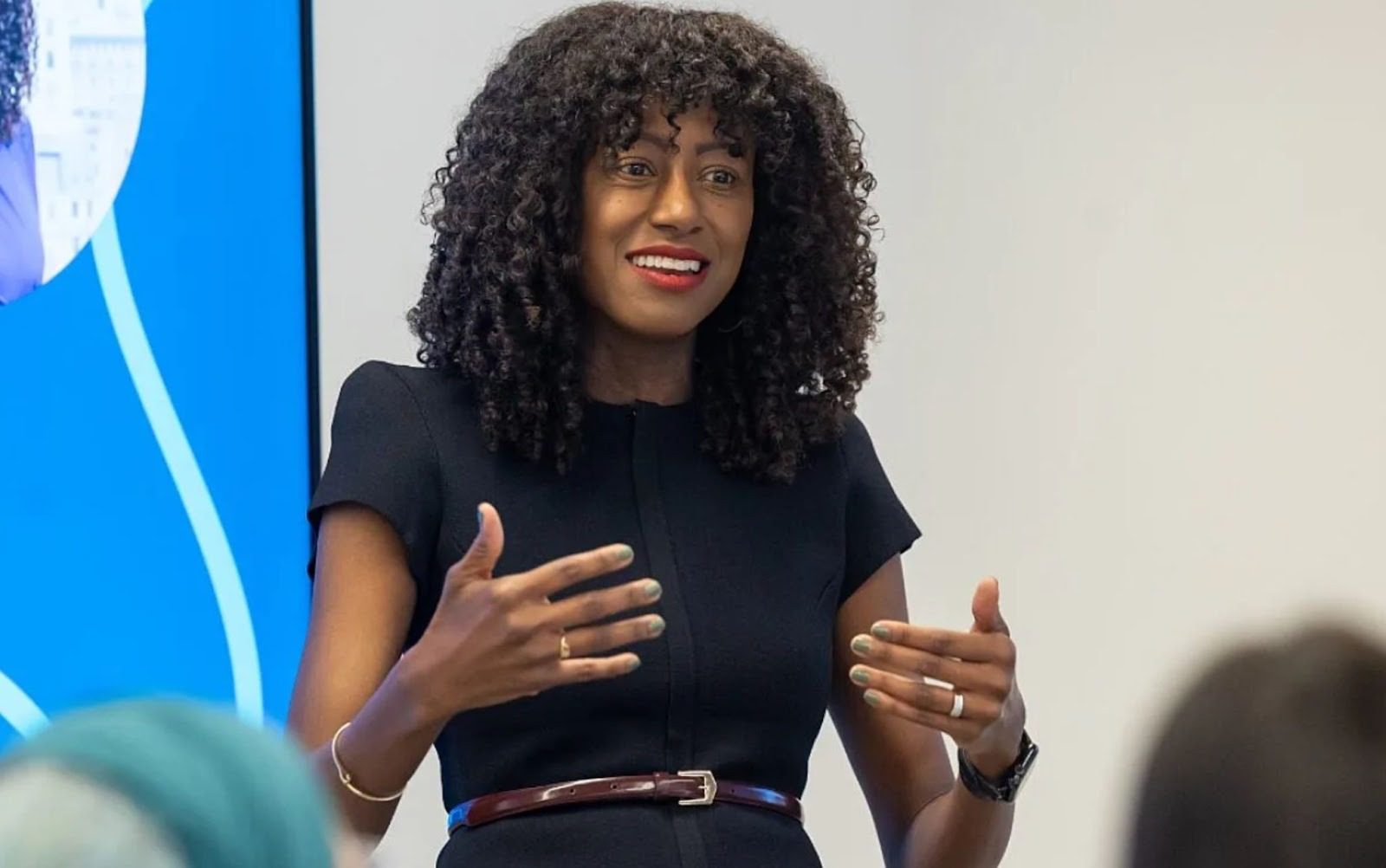
Girls Who Code, an organization that aims to prepare Brooklyn female students for in-demand careers. This category includes several professions in the field of new technologies and artificial intelligence, ensuring their relevance in the rapidly changing technology industry.
Recently, and in the near future, i.e., the next five years, work will focus on building sisterhood and making an impression and gaining influence. All this will be achieved through the organization of clubs for students, where they can explore programming in a fun and friendly atmosphere.
What are these clubs? Clubs are free programs for all students in grades 3-12 of any skill level that allow them to join a team that supports their peers and serves as a role model. They use computer science to change the world. The clubs are completely free of charge and offer engaging activities with a flexible curriculum that adapts to the unique needs of each student.
If desired, they can be integrated into STEM-focused classes or held after school, on weekends, or in the summer. In addition, classes can be held in person or completely online. Girls Who Code partners with school districts, library networks, and after-school programs to launch clubs in communities across the country.
In addition, Girls Who Code is changing the face of technology through sisterhood. It is known that in order to change the perception of a person in technology, it is necessary to change the culture of perception of girls, women and non-binary people as future leaders in the field. This means creating iconic cultural moments that change the conversation.
Ensuring that girls, women, and non-binary people have a seat at the table in the changing tech landscape requires engaging the full range of networks that support young people. These include the teachers who guide them, the parents who encourage them, and the future employers who will one day hire them. Through thought leadership, Girls Who Code will continue to work in this area, becoming a leading voice in promoting inclusivity in new tech professions for the current and future female workforce, and being an advocate for technology for good.
Artificial intelligence
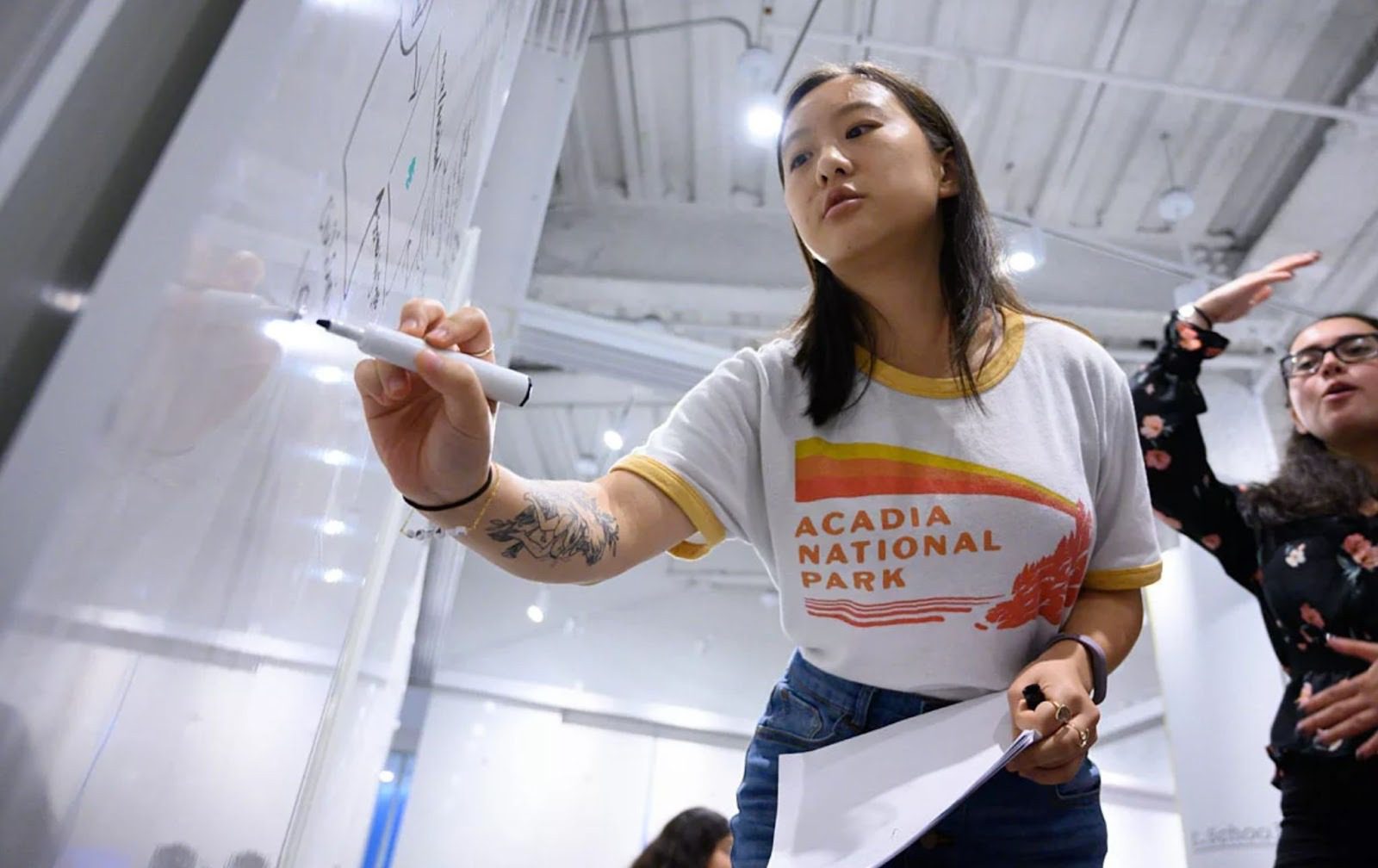
Girls Who Code is breaking down barriers to artificial intelligence and other cutting-edge technologies. Specifically, it has developed an artificial intelligence curriculum that will reach more than 200,000 students in the United States. In addition, it will launch two new programs in artificial intelligence and a course in data processing, and will teach students how to use artificial intelligence for financial literacy, music creation, etc.
It’s no secret that the gender gap in computing not only exists, it’s growing. For example, in 1995, 37% of computer science professionals were women, while today it is only 24%. And this percentage will continue to decline if no one does anything. Girls Who Code knows that the biggest decline in encouraging girls to pursue computer science is between the ages of 13 and 17.
The organization honestly acknowledges that historical and institutional barriers, including racial bias and discrimination, sadly play a role in the growing gender gap in computer science and who has access to opportunities in these fields. Girls Who Code focuses not only on gender diversity, but also on young women who have historically been underrepresented in the computer science field.
This includes girls who come from underrepresented minority groups, including African Americans and Blacks, Latinos, multinational groups, Native Americans, or Alaskans and Native Hawaiians. The organization also pays special attention to girls from low-income families, including those who are eligible for free or reduced lunch, and those who lack experience or access to computer science.
Thus, Girls Who Code recognizes and values the interconnectedness of race, ethnicity, gender identity and expression, class, sexual orientation, ability, age, national origin, and religious or spiritual identity. This community welcomes and educates people from diverse backgrounds, especially those who identify as women, non-binary or gender non-conforming and want to be in a women-centered environment.
Computer science and your future

It is projected that the number of jobs in the field of computer and information technology will grow by 15% from 2021 to 2031. This will make computing one of the fastest growing professions in the U.S. labor market, and thus in Brooklyn. However, women remain underrepresented in science, technology, engineering, and math, making up only 27% of the current STEM workforce.
They also remain underrepresented in computer science, with participation dropping from 37% in 1995 to 22% in 2022. Thus, it is crucial to change women’s perceptions of computer science by providing training that sparks interest in the field and prepares them with the necessary skills to pursue higher education and programming-related careers.
In an effort to address gender inequality in computer science and promote diversity, Girls Who Code offers two free virtual summer programs. The Summer Immersion Program and the Independent Study Program. They are specifically designed for girls and non-binary high school students. The summer programs are aimed at increasing students’ knowledge and enthusiasm for computer science, as well as encouraging them to pursue related higher education and careers.
Research results
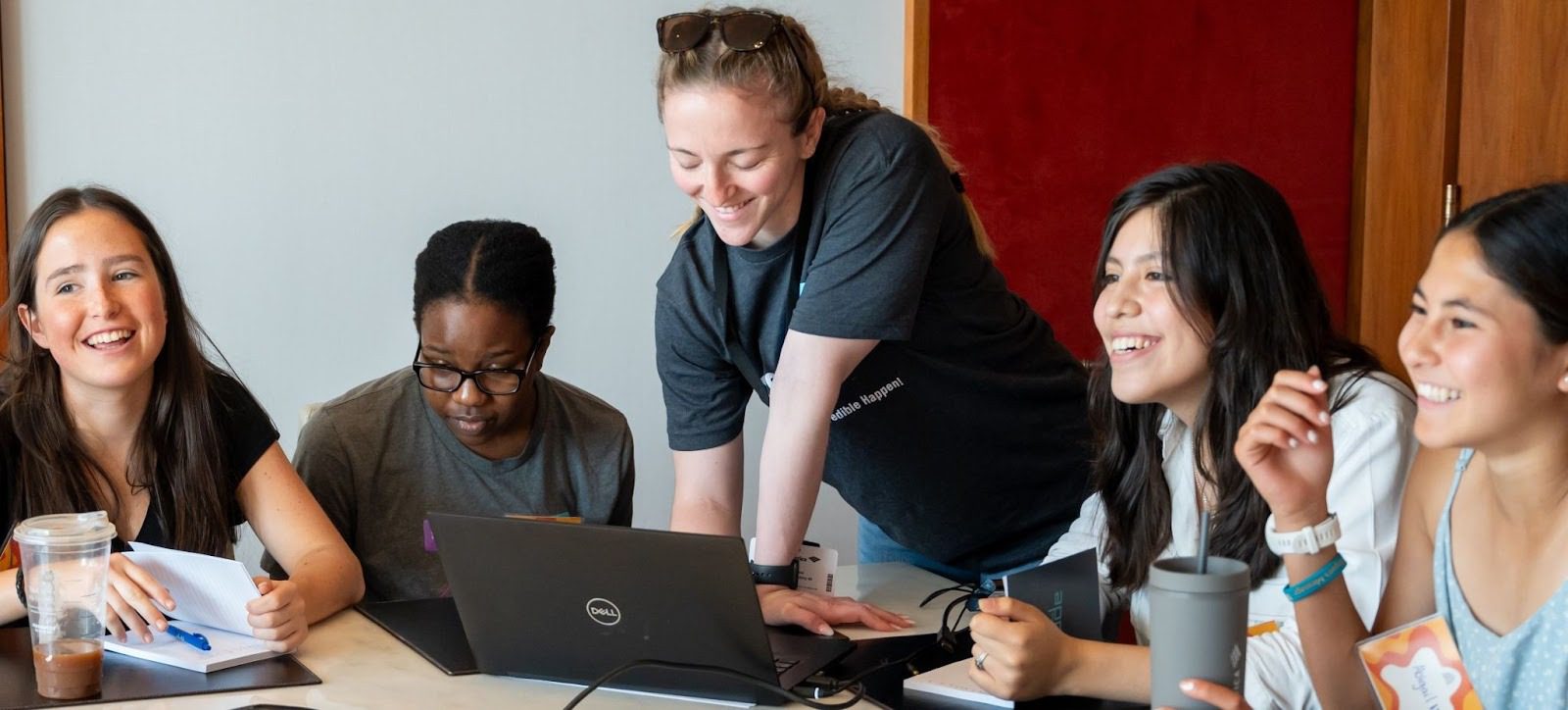
According to research on this topic, on average, participants in both programs were significantly more likely to choose a computer science-related field than students in the comparison group. Approximately 13.2% vs. 11.5%, respectively. In addition, the participants consistently demonstrated a positive impact on specialization in a computer science-related field in most of the student groups studied.
This result was independent of whether the students were white, black, African American, Hispanic, or Latino. Similarly, the result was not affected by how well these students had been represented in computing historically. Similarly, the result was not affected by the fact that the student or students had prior knowledge in the field.
Sources: