

The computerization of businesses in Brooklyn reflected the national history of computer adoption in local businesses. This involved the early use of punch card systems in business, which began in the mid-20th century. This was followed by the rise of mainframes in the 1960s and the increased use of microcomputers and minicomputers in the 1970s, which in turn facilitated process management. That is how it all began and led to the gradual introduction of these technologies. Companies evolved from using tabulating machines to developing specialized software companies and the growing importance of data transmission. Read more about all this at brooklyn-future.com.
Early business computing technologies
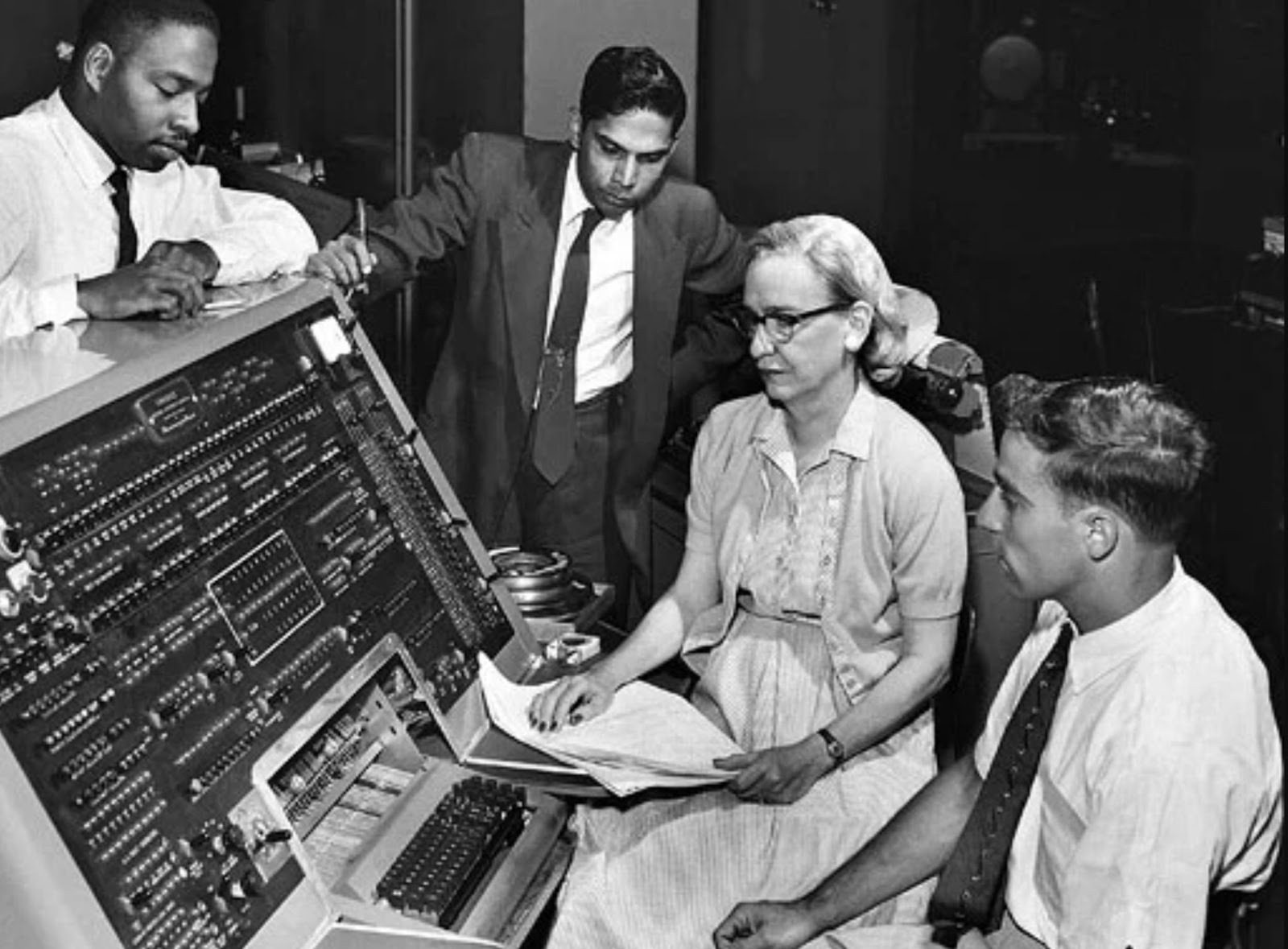
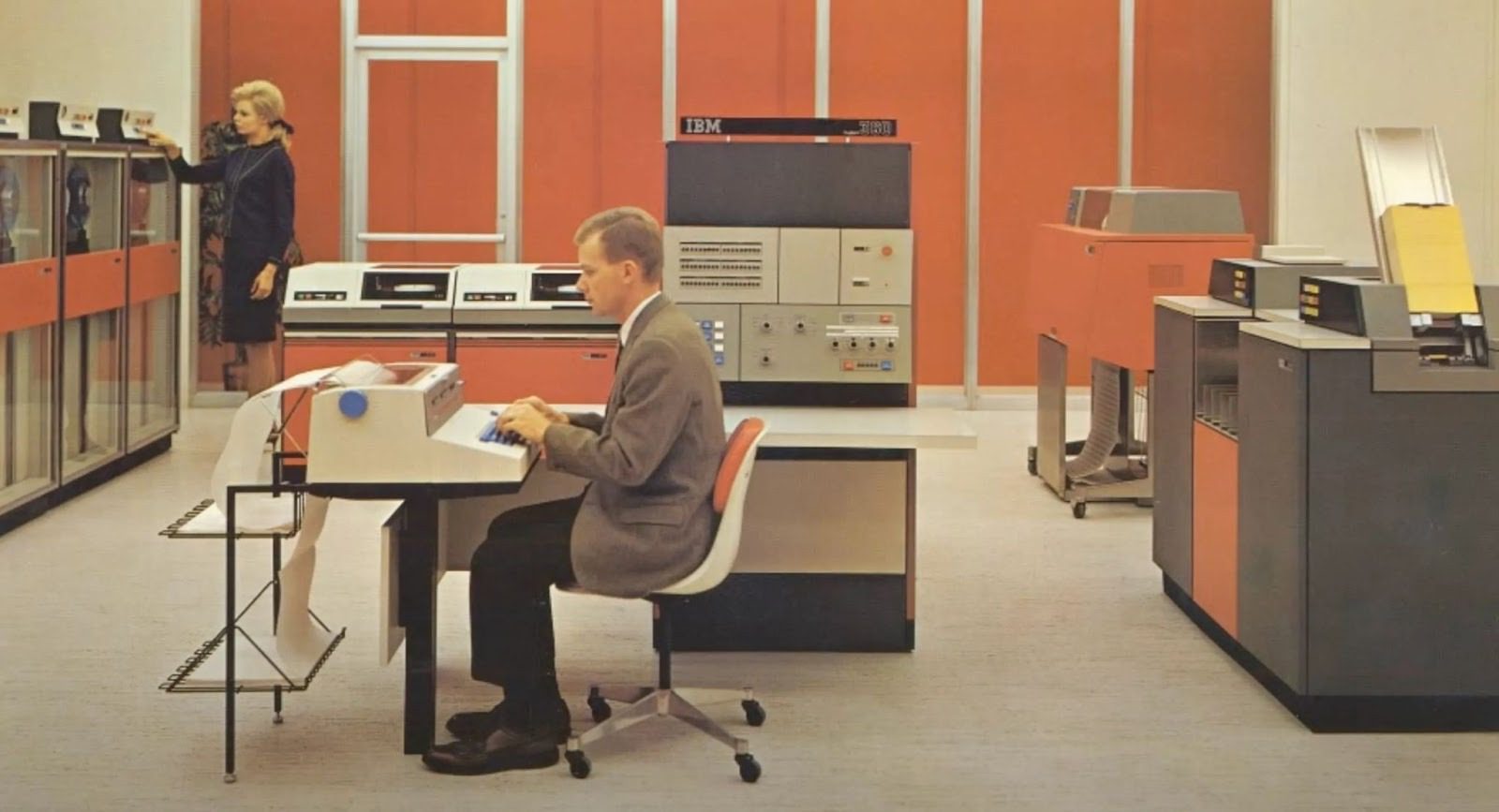
In the mid-20th century, businesses relied on systems such as Herman Hollerith’s tabulating machines, which used punched cards to manage data, long before electronic computers became common. Instead, in the 1960s, the advent of IBM’s System/360 marked a significant advance in mainframe computing, all of which provided businesses with powerful systems for a variety of applications, such as production control, inventory management, and sales forecasting.
By the late 1960s and early 1970s, the rapid development of the data communications industry allowed for the creation of more complex network systems, laying the foundation for future enterprise networks. Then, in the 1970s, micro- and minicomputers appeared and were rapidly introduced into factories for process control and automation.
All of this can be said to have accelerated software development. Companies like Redactron began developing specialized word processing software and hardware in the early 1970s, a key step in the computerization of office work. Brooklyn played not the least role in all these processes, not to mention one of the first. As a major industrial and commercial center, Brooklyn businesses were among the first to adopt these technologies, driven by the need to remain competitive.
Moreover, the presence of companies such as Redactron was indicative of a local ecosystem of technological innovation that contributed to the wider computerization of businesses. The growth in the use of data transmission in the early 1970s further stimulated the introduction of computerization in all Brooklyn businesses.
Data transfer
Subsequent firms joined Codex, Milgo, and ADS to eventually take market leadership and market share from AT&T.
In the 1960s, thousands of new software development firms were founded. All these processes became massive for the most part after 1966. But the real stampede really took place in 1969, after IBM’s announcement a year earlier of its intention to split up its software business, which was officially announced in June 1969.
While many have speculated that IBM’s decision was prompted by an antitrust lawsuit filed by the government against it in January 1969, a more likely reason was that software development and maintenance was becoming incredibly expensive. At the time, there was no question that software that was sold to a whole bunch of customers in one-size-fits-all packages was evolving.
Instead, this software was not yet available, it had to be created from scratch, and for each program. One can only imagine how massive a task this was, which could be easily confirmed by the expensive and complex development of software for IBM’s System/360. For example, IBM’s much-publicized experience actually showed that the first real software project, SAGE, at its peak in 1959, employed more than 700 programmers and 1400 support staff. To understand how much that is, you should know that this represented half of the total number of software personnel for the entire United States of America.
However, as soon as IBM announced the unpacking, a large number of entrepreneurs volunteered to turn the opportunities in the software industry into successful companies. It was then that total software sales, which were estimated at only $20-50 million in 1969, grew to $400 million in 1975. Successful software companies invariably used data products as well as the products they sold to users.
Thus, by the early 1970s, and more specifically by the end of 1968, the economic opportunities in data communications were already being recognized. This was made possible by the increasing use of computers by corporations. In the end, entrepreneurial ambitions were fostered by factors such as the inevitability of future market competition in telecommunications and the unprecedented capital available for investment in high-tech companies.
As a result, while in 1968 there were only a handful of such competitors, by 1972 there were already more than a hundred firms selling modems and multiplexers.
Brooklyn Public Library
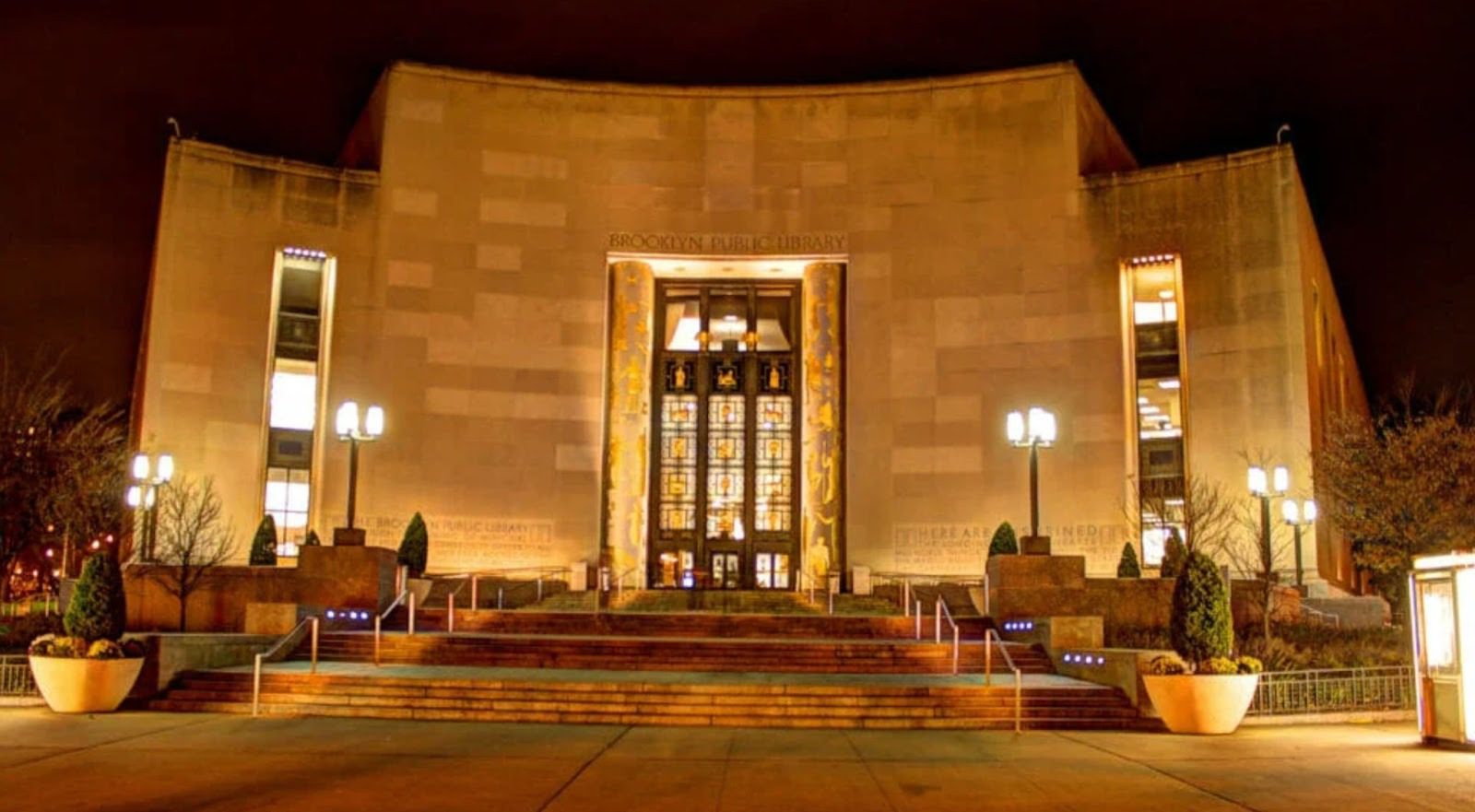
And the most striking example of the modern computerization of libraries is the Brooklyn Public Library. This organization positions itself as an institution that is more than just books. And, to be fair, computerization and modern technologies help it to do this very effectively.
As a result, the system of 60 district libraries now offers a variety of technologies that will help the library’s clients achieve many of their stated goals. Access to the technologies is free of charge, and all you need is a library card to use them. There are public computers available at any open branch. You just need to reserve one.
Each branch of the Brooklyn Public Library offers desktop computers that are equipped with access to the World Wide Web and basic Microsoft software. There is also special access to certain learning resources that can be used only in the library. However, classes are limited to 30 minutes.
As for laptops, the Brooklyn Public Library allows patrons aged 13 and older to borrow them at selected libraries. All active readers, of course, with an unexpired library card and full access, can get permission for two sessions, which can last a maximum of 2 hours per session.
Printing, copying, and scanning
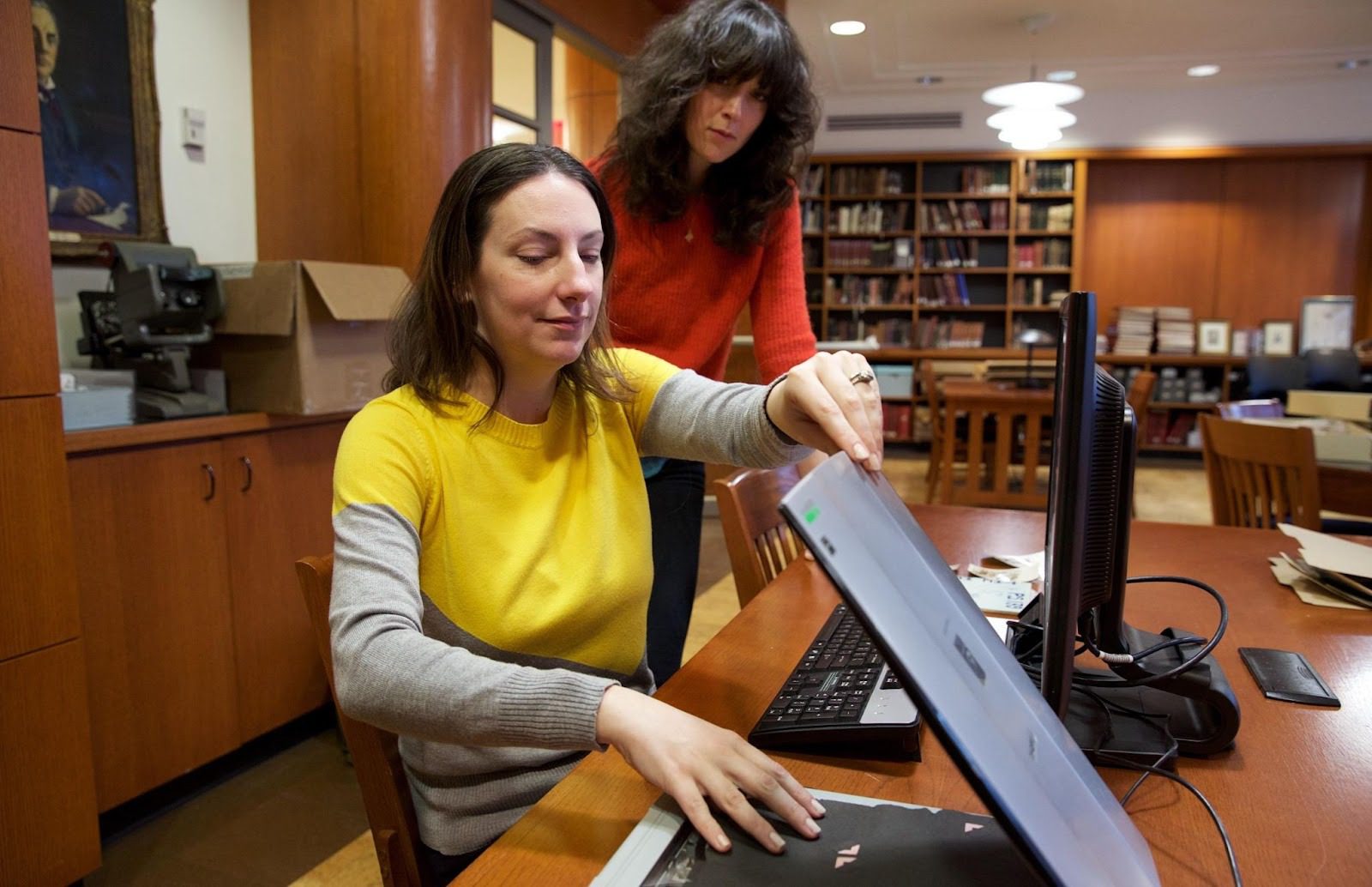
Printing is also available at all branches of the Brooklyn Public Library. The price for one black-and-white printed copy is $0.10 per side, and $0.50 per side for color.
In addition, readers can send print jobs to any of the library’s many printers from their home computer or phone within 24 hours. Of course, the library has access to paid wireless Internet access. This applies to library users with appropriately equipped and configured laptops. Wireless Internet access is available at the Central Library and all branch libraries.
Sources: