

The Tech Radio Tower, now commonly referred to as the “retired tower,” is a former radio tower and broadcasting station at Brooklyn Technical High School. It was built in 1939 and was used to broadcast student radio programs until the 1990s. It is noteworthy that the Brooklyn Technical University radio station, which appeared even before the school’s television broadcasts in 1967, provided students with work experience and a platform for public broadcasting. Currently, its broadcasting operations have been suspended. For more details about Tech Radio Tower, visit brooklyn-future.com.
History and activities
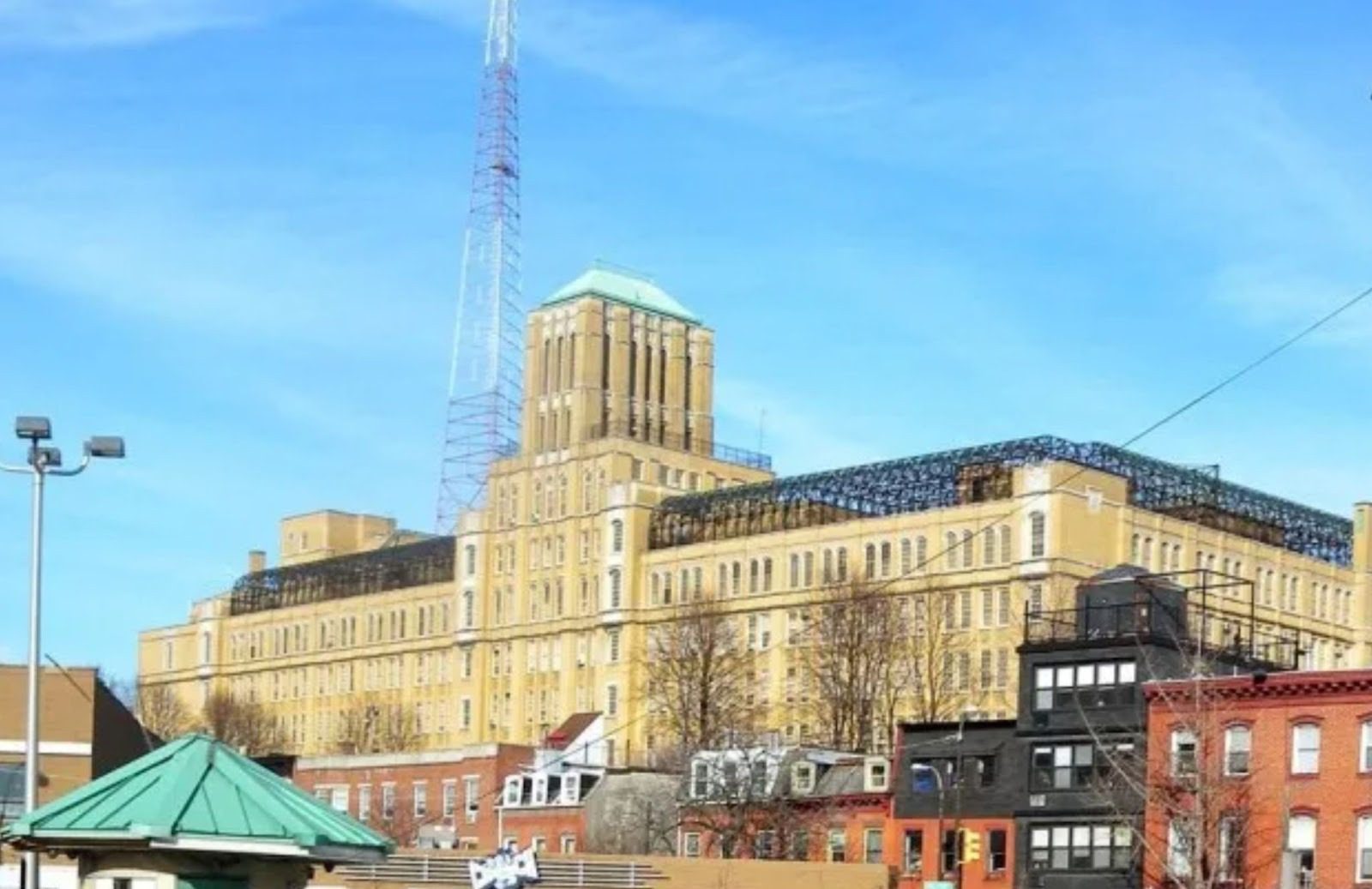
The first radio tower in the current building of the Institute of Technology was 350 feet high, which is less than the current one, which is 420 feet high. It made the building, along with the tower, the tallest structure in Brooklyn. It held this status until 2015, when The Hub, a 610-foot, 55-story skyscraper in the center of the borough, was built in downtown Brooklyn.
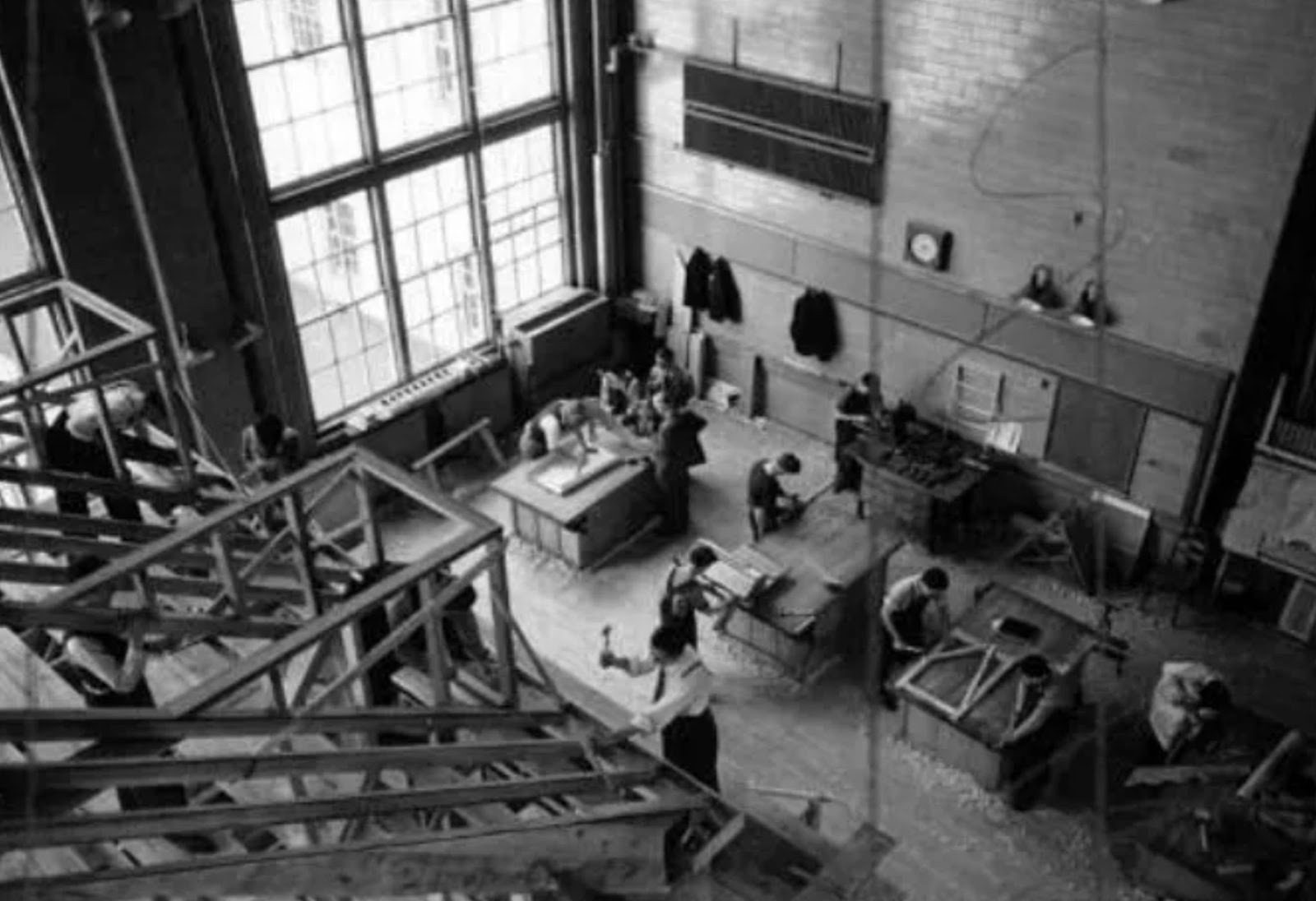
The tower was built in 1939 and served as a key element of the school’s early radio operation. Students and staff operated the radio station, which, in addition to the tower, included the original studio with a transmitter. The programs that were created here provided young people with real-world experience, which was quite relevant on the eve of the start of their working careers and adult life in general. At the same time, the programs or, as they say nowadays, the content created at this radio station went beyond school topics and, at some point, covered the interests of the community and even began to teach adults something.
The radio tower provided students with a unique opportunity to learn practical skills in broadcasting and media. This radio station was run by the Ministry of Education. The station served as a link to the general public, sharing news and information until the 1970s. During the tower’s use, many different projects were completed, during which students had the opportunity to participate in programs at the station, as part of an effort to promote work experience before students entered the labor market.
Brooklyn Institute of Technology’s radio station was one of the school’s first ventures into broadcasting, predating its later involvement in television broadcasts.
According to George Kuhai, who studied at the school and graduated in 1977 with a degree in engineering and archives, the radio station allowed for many different projects.
One of them was implemented by the institute in the 1980s. It allowed students who couldn’t attend school to keep up with their coursework and was intended primarily for elementary or junior high school students. At the time, broadcasting educational radio programs allowed students to at least have an idea of what they had missed and tune in to study. Some argue that this was an early form of distance learning.
Similar to various courses at the Technical University, the tower allowed students to learn the basics of real work, which was fully in line with the institution’s mission to create a well-trained technical workforce. And if we go back to the issue of programs for adults and for the Brooklyn community, we can talk about another type of program that was aired with the help of the Tech Tower. It was a rather prominent program – the radio station broadcast monthly reports of mayors, including such names as Fiorello La Guardia.
Technical school
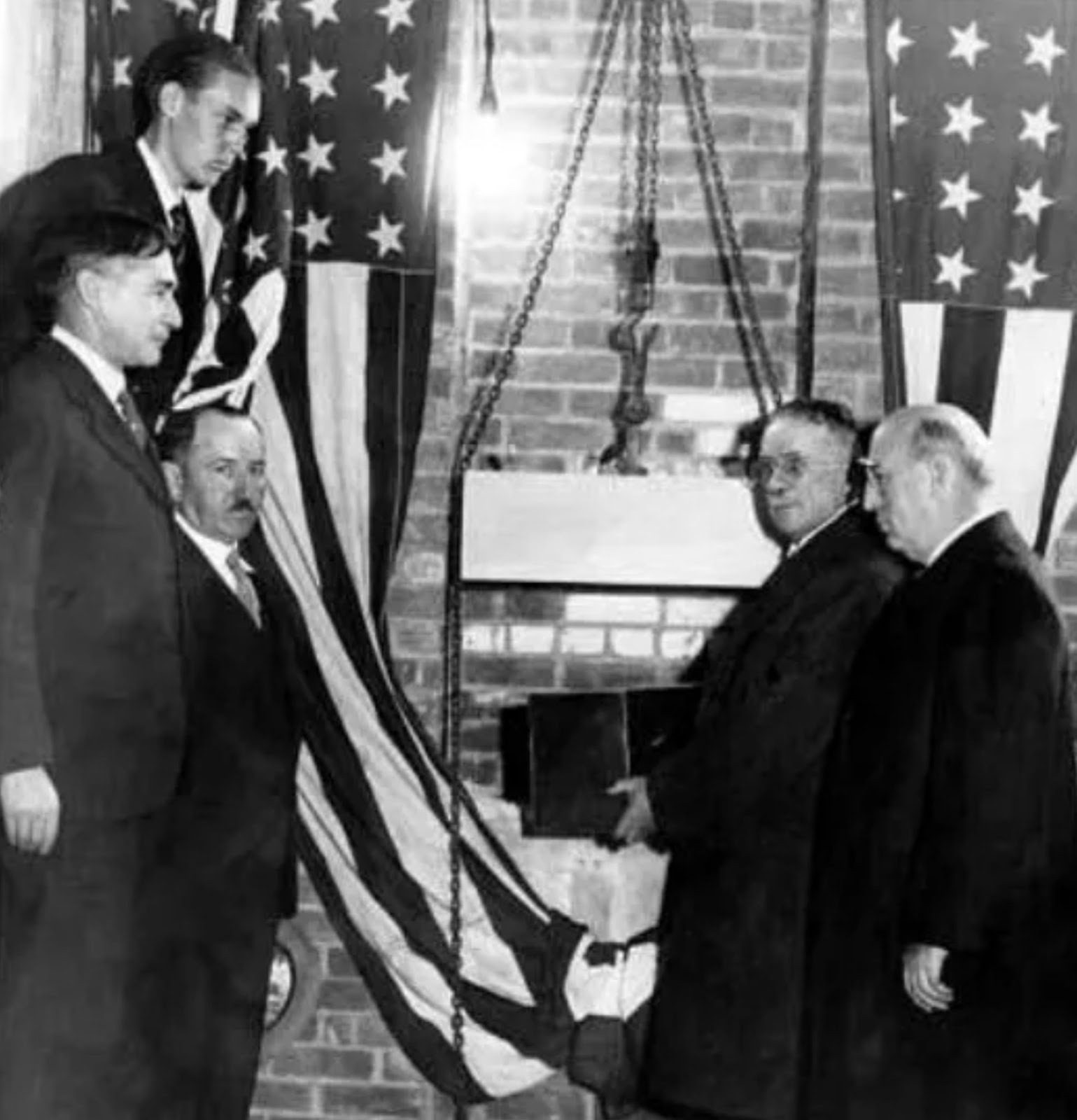
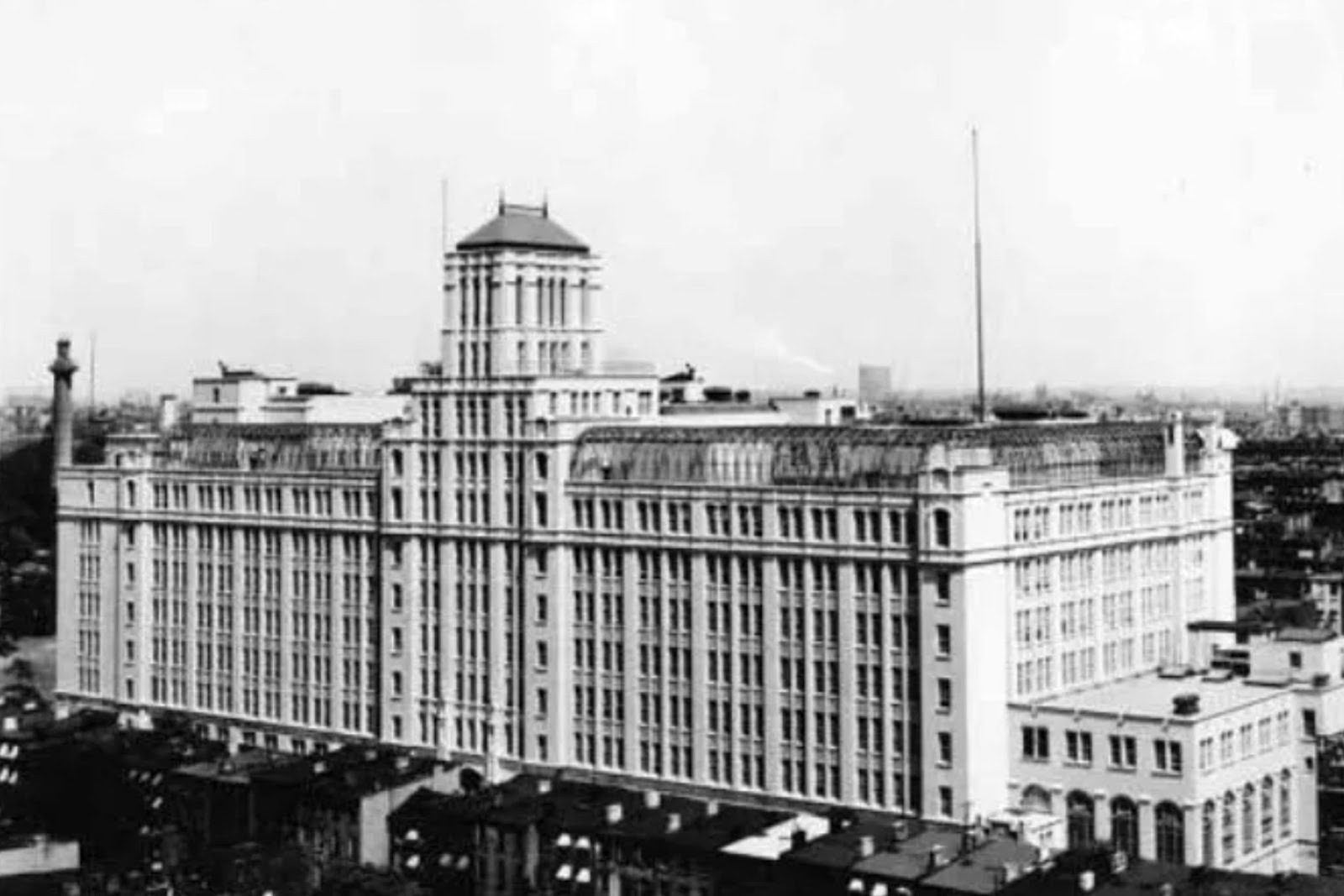
In this context, a few words should be said about the educational institution itself, on the basis of which the Tech radio tower was built. The Brooklyn Technical High School was founded in 1922 by the New York City Board of Education. The purpose of the school was to provide specialized technical education, initially in a converted warehouse. Later, in 1933, the school moved to its current location.
The idea of creating such a specific educational institution belonged to Albert Colston back in 1918. The goal was to support and develop technological industries. The institution became known as one of New York’s first specialized secondary schools. Later, the Institute of Technology developed significantly, adapting its curriculum to advances in science, technology, engineering, and mathematics over the last century.
Albert Colston, a high school teacher, taught labor classes, and advocated for the creation of a technical school at the Brooklyn Engineers Club. As a result, in 1922, the New York City Board of Education approved the establishment of the Brooklyn Technical High School. In the 1930s, the school built and moved to its permanent, purpose-built building at 29 Fort Greene Place.
Today, Brooklyn Institute of Technology is one of the first specialized high schools in New York City, coexisting next door to Stuyvesant High School and the Bronx High School of Science, focusing on science, technology, engineering, and mathematics. The school’s rich history reflects its ability to adapt and expand its educational offerings to meet the rapidly changing technological landscape for more than 100 years. Despite its age, the Institute of Technology continues to be a leading public selective high school, offering a range of 18 majors in advanced STEM fields and professional disciplines.
Retirement
The tower ceased operations in the 1990s, although the school continued to use the space for television programs in the following years. Since its closure, there has been a great deal of curiosity among students and staff about what the tower is used for today. All the questions were answered by the principal, David Newman, who explained that it was just a metal structure with a flashing light to prevent airplanes from crashing into it. Even today, the technical faculty still has to perform a whole range of work to comply with the lighting requirements set by the Federal Aviation Administration.
The FAA says that all structures over 200 feet above ground level must be properly marked with tower lights or tower paint. Therefore, the technical faculty has a contractor who climbs a ladder and replaces the lights on the tower every year.
By the way, the exact reason for the closure of the radio station is still unclear. Rumor has it that it was partly due to health problems caused by exposure to the tower’s radio waves. That is, someone at some point decided that it was not a good idea to place an active radio tower over the heads of children. At the same time, the Federal Communications Commission, which regulates radio, satellite, and television communications between states and internationally, believes that there is no reason to believe that such towers pose any threat to the health of residents or students near its operation.
Reborn from oblivion
However, the Tech radio tower is not operational. After the last broadcast, the radio room located on the 9th floor was closed. The radio equipment was dismantled, effectively leaving the room abandoned. However, the Technical Faculty plans to repurpose the premises as a recording studio for the music department. Precisely because this space is, without exaggeration, considered iconic, many members of the alumni foundation support the idea of bringing it back to life.
Sources: