

The Atlantic Yacht Club, created by former Brooklyn Yacht Club members, helped popularize sailing in New York Harbor. As a result, the club’s major objective has grown into developing and increasing interest in sailing as well as the spirit of sportsmanship among its members and families. Furthermore, it supports and offers initiatives that allow you to promote and support sailboat racing following Corinthian values.
The Atlantic Yacht Club promotes yachting and sailing racing training programs that fulfill the needs of club members while also improving the club’s image as a sailing center. Because its members are not solely interested in sailboats, the club does not overlook group activities and other sporting events. In addition to sailboat races, club members may occasionally compete in other sporting activities, such as intra- and inter-club tournaments. Furthermore, it pays great attention to the recreational development of New York Harbor and the ecology of New York Bay in general, helping to conserve and protect them. Learn more about the history of the Atlantic Yacht Club’s formation and development, as well as the construction of its structures at brooklyn-future.com.
Founding history
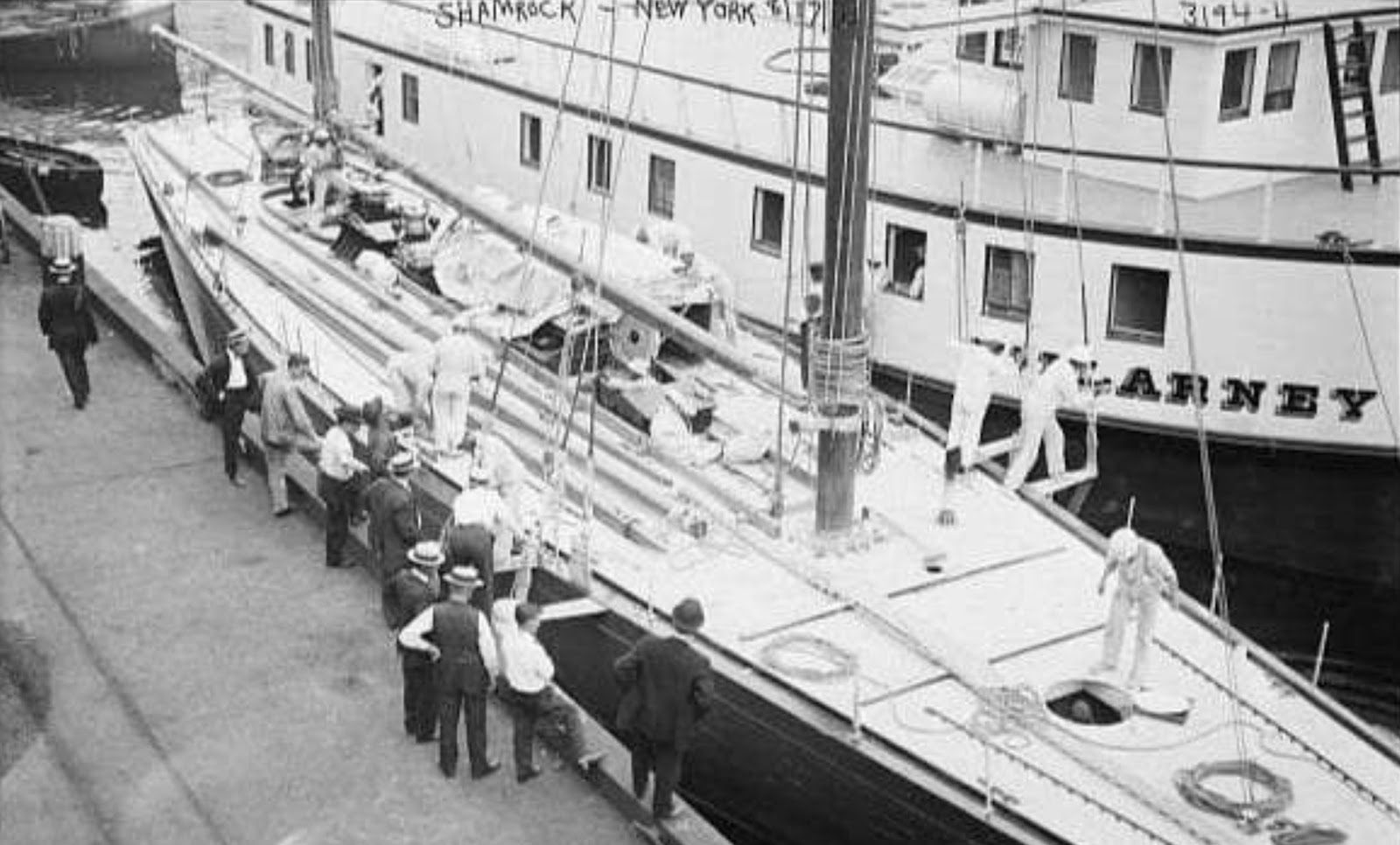
The history of the Atlantic Yacht Club is complex and full of intriguing details. The fact is that the Atlantic Yacht Club was formed by detaching from the Brooklyn Yacht Club. Furthermore, this was not a solitary instance. There is a well-known story of several respectable members of the Jamaica Yacht Club who left it and founded the Belle Harbor Yacht Club a few years later. The new club was founded by its members with the goal of popularizing yachting in New York Harbor at a period when sailing was progressively moving into the background.
So, it appears that the members of the Atlantic Yacht Club succeeded. In any case, the new club, founded in 1866 by a group that separated from the former Brooklyn Yacht Club, has already outperformed its predecessors in just several years, establishing itself as an active Corinthian sailing organization in a relatively short period. Such a mission did nothing but attract new members, and the Atlantic Yacht Club was rapidly expanding. Additionally, the team included not only regular members who resided in Brooklyn, New York, etc. The Atlantic Yacht Club’s ideology drew many of the region’s most notable people, beginning with Long Island residents and quickly expanding to include prominent sailors.
Following the detachment, the new club rapidly got down to business and swiftly established itself as one of New York’s most prominent yacht movement leaders. The Atlantic Yacht Club strongly supported competitions by hosting popular regattas and competing against other top yacht clubs in the region. Among the most popular competitions was Atlantic Race Week, which attracted participants not only from the United States but from all over the world. The Lipton Cup Regatta was popular as well, as during it yacht crews of many classes raced, making the competition even more representative.
Lipton Cup Regatta
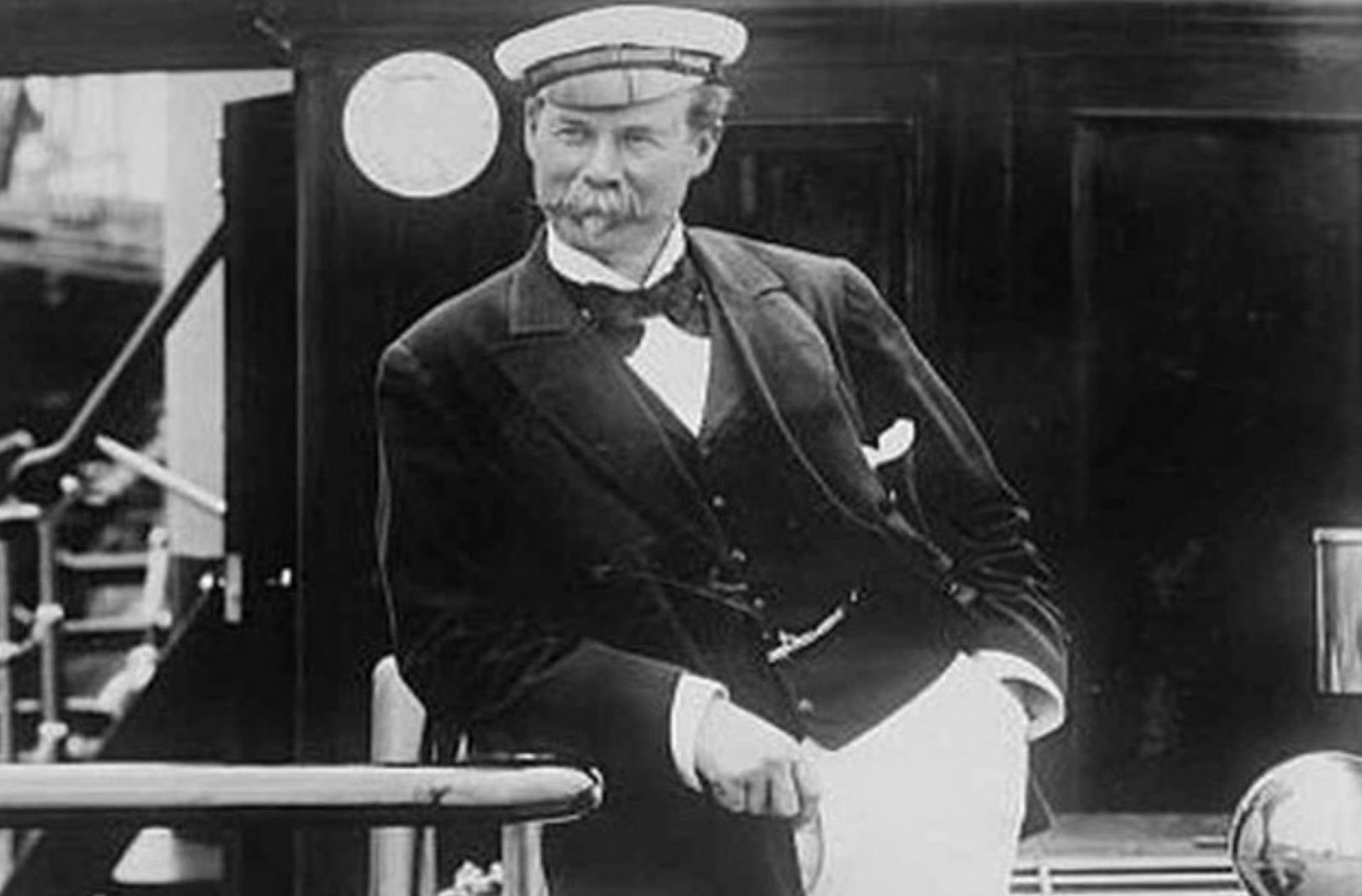
As you may know, Thomas Lipton, the founder of the tea empire, organized races between skippers, promising a reward to the crew of the ship that would be the first to deliver cargo to England. So tea races quickly became popular, captains encouraged their sailors to race faster by sea and viewers on the beach bet and disputed over which sailboat would arrive first. By the way, despite paying substantial rewards to captains and team members who competed in such races, the tea magnate never found himself on the losing end.
Following the outbreak of World War I, the Atlantic Yacht Club played an active role in the establishment of the United States Power Squadrons in 1914.
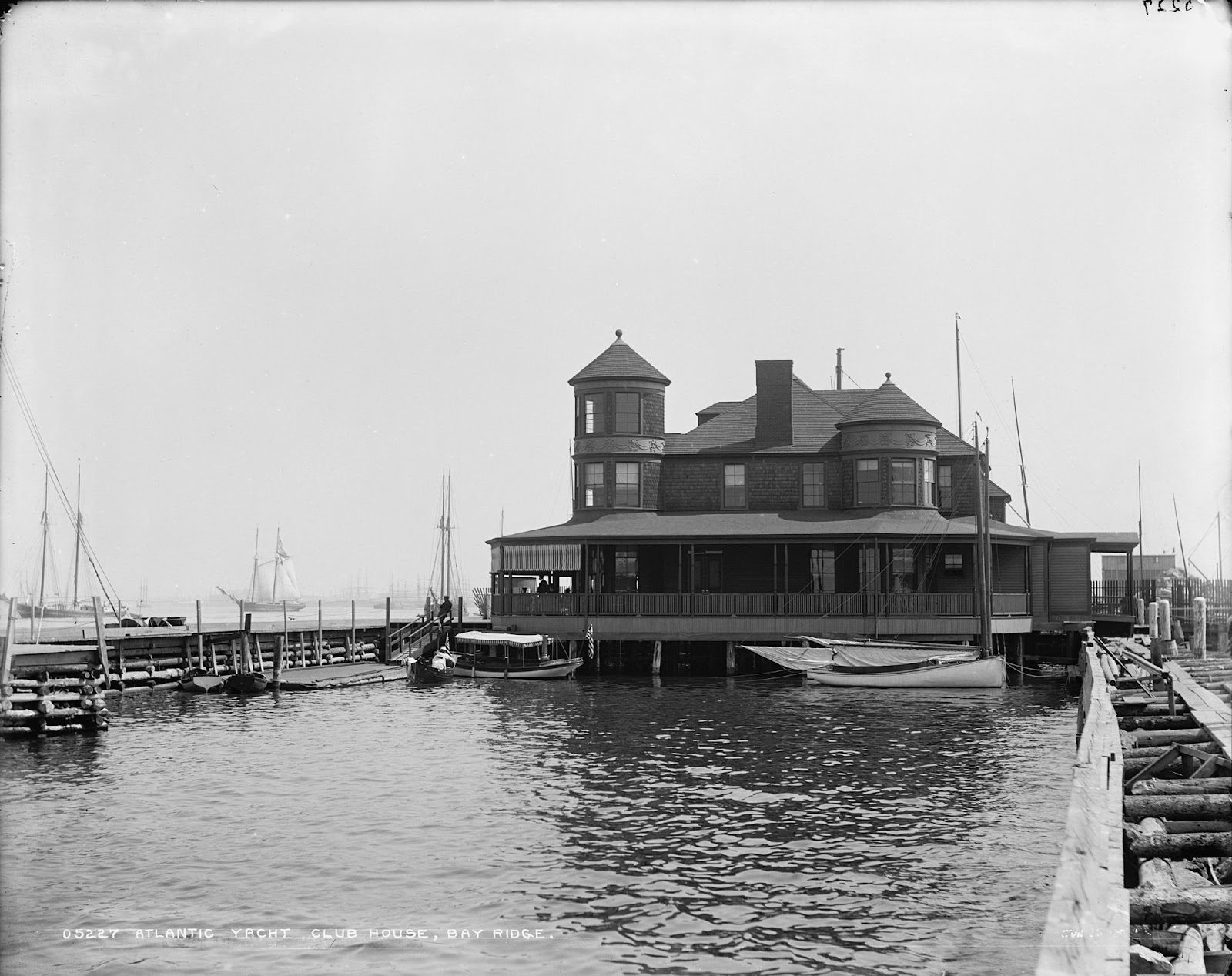
It is also worth mentioning the history of the Atlantic Yacht Club’s clubhouses, of which there were several. The first clubhouse was placed on a barge anchored at the foot of Court Street near the end of Gowanus Creek, where the club was based until 1881. It should be noted that there were several major shipbuilders in this area that produced yachts.
Then the market shifted, and many people left the area due to the economic realities of the period. The yacht club did the same. In the early 1880s, the yachtsmen decided to acquire a coastal farm in Yellow Hook, Brooklyn and successfully relocated there. By the way, eventually, the club members renamed this area, calling it Bay Ridge. A marina and boat anchorage were built here on the initiative of the Atlantic Yacht Club, specifically its Commodore James Weir. The club members used an old farmhouse that was later remodeled.
Construction of a clubhouse
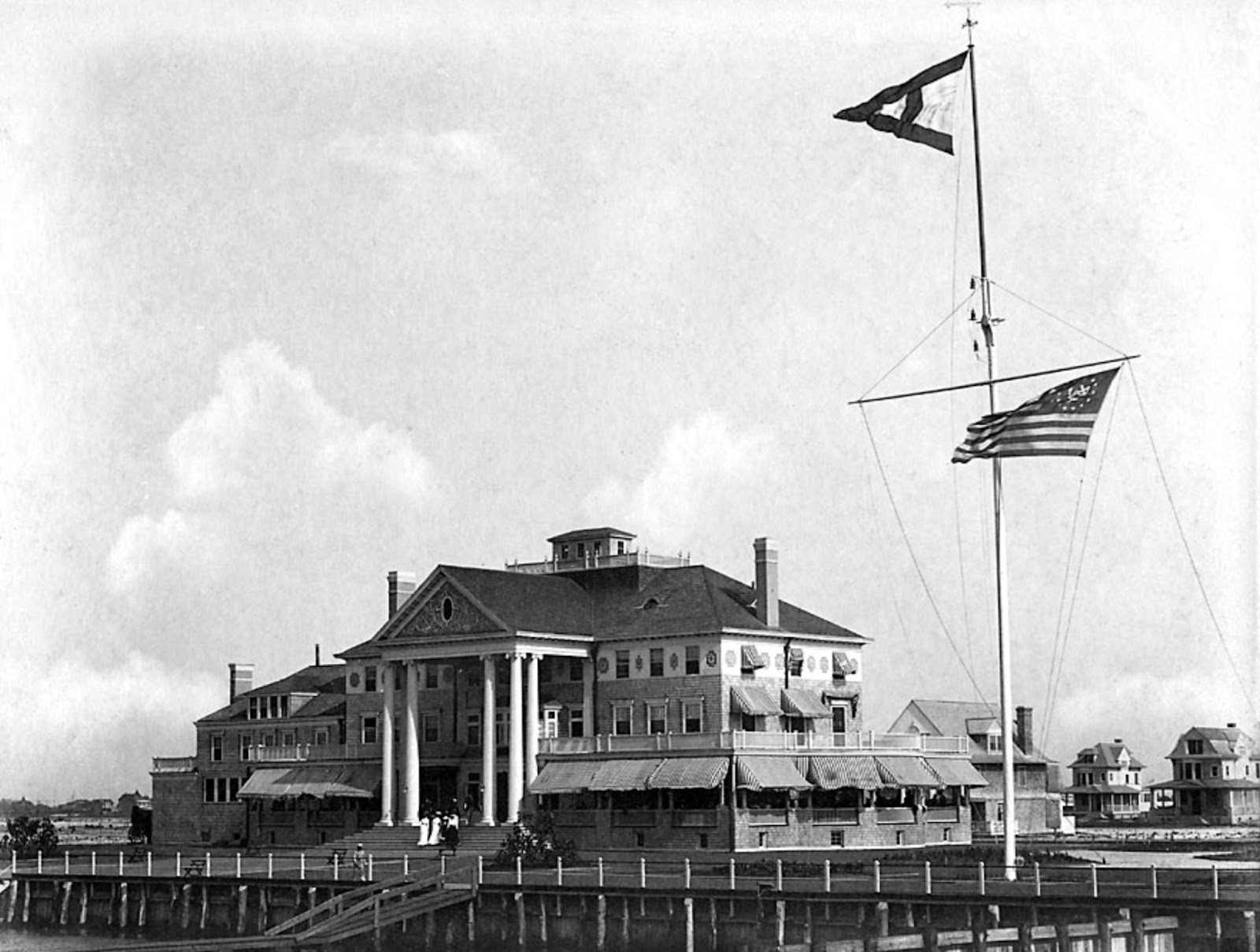
But, in 1898, the Atlantic Yacht Club relocated again, this time to Seagate on Gravesend Bay. It was decided to construct a new club headquarters here. The construction of the new clubhouse was undertaken thoroughly. Its construction was delegated to top specialists. This was the architectural company McKim, Mead & White. The firm’s partners and founders were Charles Follen McKim, William Rutherford Mead and Stanford White. At the time, they were regarded as leaders of the architectural thought. Furthermore, the trio built a reputation for being innovators and leaders in the development of architecture at the time, not just in the United States but also internationally.
These architects established an architectural school where students received exclusively classical training from technologically skilled specialists. At the time, the architects were known for their work on the former Pennsylvania Station in Manhattan, the Brooklyn Museum and the main campus of Columbia University. Thus, the level of attention that the club’s leaders and members gave to the clubhouse at that time is evident. As a result, the yacht house was constructed in 1898 with a view of Gravesend Bay. By the way, the old house was also relocated to the club’s territory at Seagate.
The driving force behind the club’s relocation to its new site was Commodore George Jay Gould I, a talented financier and son of Jay Gould. The club grew to draw New York socialites and aristocrats, including members of well-known and extremely rich families. It was joined by respected and noble members such as Sir Thomas Lipton, J. P. Morgan and the Earl of Dunraven. By the way, the earl was the leading challenger for the America’s Cup in yacht racing, who was also a subject of Her Majesty the Queen of Great Britain.
Revival at the beginning of the 21st century
The original clubhouse is a structure with a challenging history. This Atlantic Yacht Club’s house was destroyed by fire in 1934. Following that, the Atlantic Yacht Club was inactive for a few years before officially ceasing operations in the 1950s. The club was only revived at the start of the 21st century. Now, the Atlantic Yacht Club partners with one of the social organizations.
After its heyday in the late 19th and early 20th centuries, the Atlantic Yacht Club, like many other Brooklyn organizations, faced financial difficulties in the second part of the 20th century. The long years of the Great Depression, the loss of the clubhouse in a devastating fire in 1934, World War II and, finally, the postwar departure of the middle class from Brooklyn were challenging for the club. However, in recent years, the city and harbor of New York have bounced back. After several years of inactivity, the group reverted to its original mission of promoting recreational swimming in New York Harbor.