

More than 600 historic buildings, from Art Deco palazzos and stately brownstone homes to charming wooden colonial houses with verandas, paint a vivid picture of the past. And this is just one of Brooklyn’s neighborhoods. What’s admirable is the dedication to architectural preservation. It’s especially impressive when you know the dramatic evolution of the borough since it was annexed to Kings County in 1683. Read more about the evolution of architectural Brooklyn on brooklyn-future.com.
History of architecture in the region
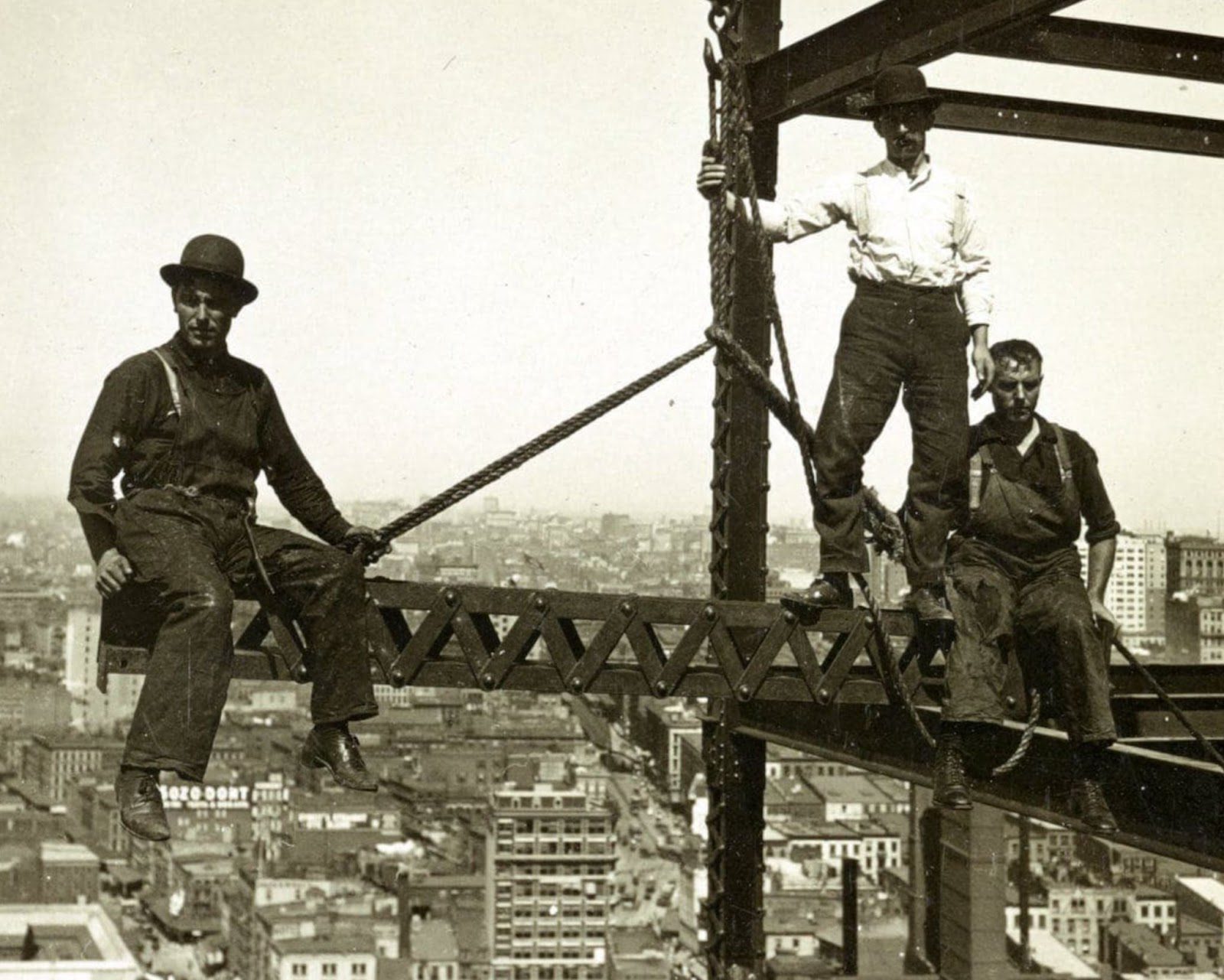
The architecture of New York City has been subject to a wide variety of styles over the centuries. Due to its location, the city has always been at the crossroads. Therefore, various ideas and influences have been combined here, which, in turn, has contributed to the flourishing of styles and a wide variety of architectural forms.
The first influences were naturally related to British architecture, as New York was part of the British colonies. For example, the oldest local church dates back to 1766, the St. Paul’s Chapel. It has become a classic example of English influence. Even after gaining independence from England, this style was used in the city for some time.
Later, the Neo-Gothic style appeared, which was the most common architectural style until the XX century. To this day, there are several churches built in this style. For example, the Holy Trinity Church and St. Patrick’s Cathedral were inspired by European buildings and the same forms. It is also worth mentioning the Woolworth Building, an early Gothic skyscraper.
In the late 1800s, New York City experienced an incredible period of growth. The number of people living there grew exponentially, and there was significant modernization and industrialization. The Industrial Revolution fueled this boom. It was this logical process that contributed to the increased use of new building materials.
The 1920s and 1930s saw new changes in architectural preferences. The Art Deco style became almost the most important in New York. Since then, it has been considered the city’s calling card. It was during these years that some of the most famous skyscrapers began to be built. For example, the Chrysler Building was built in 1915.
But it should be understood that if the elevator and the street grid structure of the city had not been invented, there would have been no skyscrapers. In addition, downtown New York became a center of modernization, industrialization, capitalism, and land speculation. The latter trend encouraged the so-called vertical construction.
Skyscrapers were built despite the fact that many architects did not like such tall buildings. In 1916, a resolution on zoning was even passed. According to this law, architects had to create buildings according to the width of the streets. New York’s grid system facilitated the development and construction of new buildings, especially for higher education. In general, the city has always explored all the possibilities of the grid system.
Architectural evolution
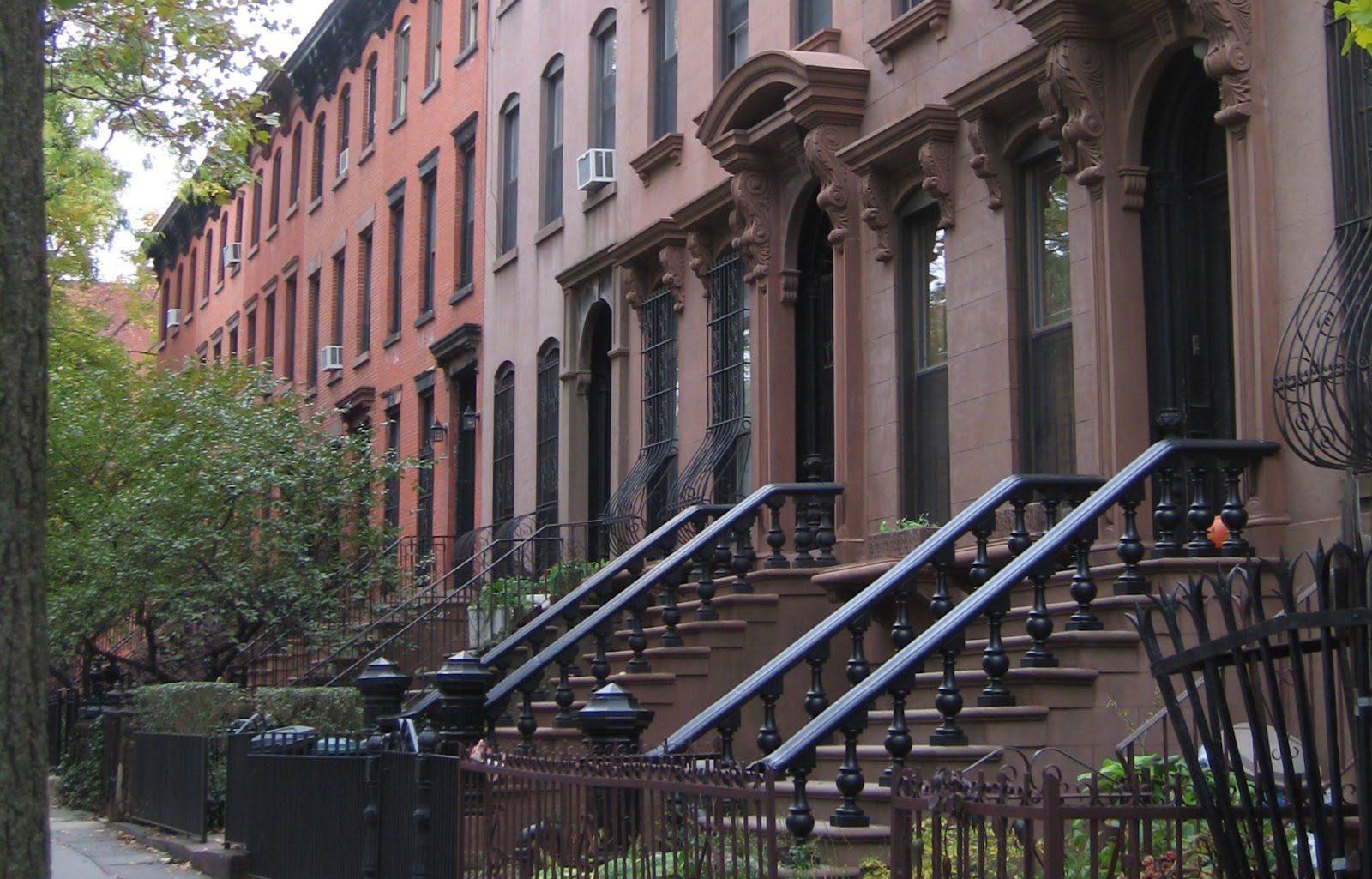
As for the architectural style of Brooklyn, it is a testament to the adaptability and innovative spirit of the Boro. Its architectural beginnings are marked by wooden frame houses, which were commonplace in the 18th and early 19th centuries. But it was at that time that the largest number of fires occurred in the city, and later in the borough. Thus, priorities in the choice of building materials gradually changed. This fact led to the fact that in the middle of the nineteenth century, brick, and brown stone already dominated.
Wood-framed buildings, such as the Burton family’s house at 24 Middagh Street, demonstrate the early architectural traditions of Brooklyn, or more specifically, the Brooklyn Heights neighborhood. This was the transition from fire-prone wood to brick and stone. Back then, Brooklyn was famous for its brick and brownstone buildings. Brooklyn residents are beginning to forget that not so long ago, wooden frame houses were the norm.
A popular joke of the time was that fires in New York City occurred so often that tourists considered them to be one of the city’s attractions. In this regard, by 1796, wood-frame construction below Broome Street in Manhattan was completely banned. In this regard, state laws were passed that required the use of brick and stone in the construction of new buildings.
The transition to brownstone construction in the mid-nineteenth century was accelerated by the construction of the Brooklyn Bridge. This made it possible to improve access to quarries in Connecticut and New Jersey. After that, the brownstone era brought with it the construction of a whole galaxy of iconic dark sandstone facades. These buildings soon became the hallmark of Brooklyn’s street scapes.
Construction of the Brooklyn Bridge
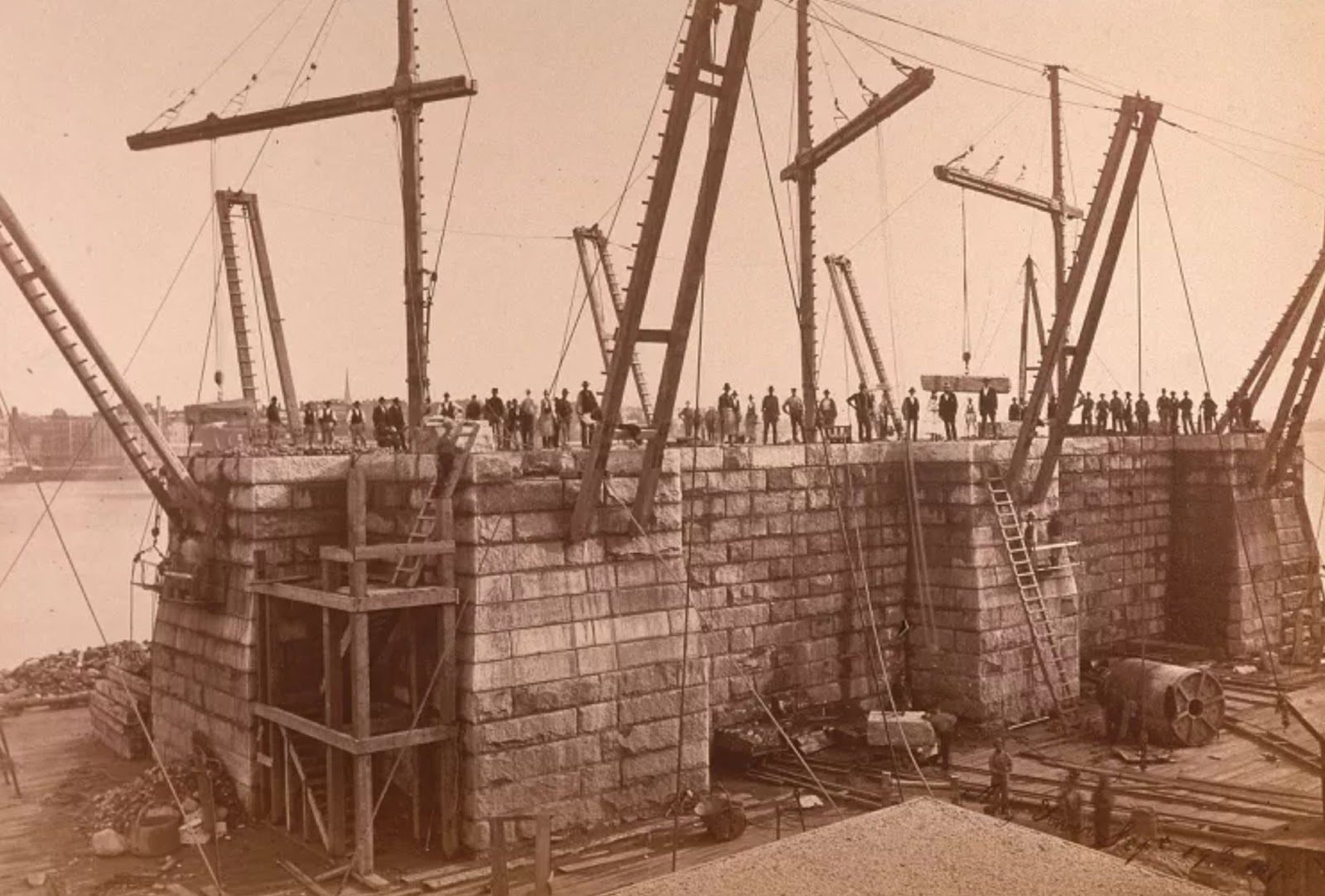
The construction of the Brooklyn Bridge and the subway at the beginning of the 20th century brought about significant changes in architectural preferences. With Manhattan now even more accessible, many residents moved to Brooklyn. This led to the conversion of numerous historic mansions into apartment buildings.
In 1965, thanks to the joint efforts of local residents who fought against a large-scale apartment building project that threatened the historic charm of the neighborhood, Brooklyn Heights was the first New York City neighborhood to be recognized by the Landmarks Preservation Commission as a historic district. It is clear that such an important event was a victory not only for the residents of Brooklyn Heights, but also for the entire city. After all, it was this Commission that later granted landmark status to 31,000 buildings and 110 historic districts in New York City.
In turn, this step made it possible to preserve the architectural character of the district, saving a significant number of the 619 original historic buildings that represented a wide variety of architectural styles. Everyone was convinced that by doing so, the district would become even more attractive. By the way, Henry Ward Beecher’s Plymouth Church was among the historic buildings saved. It is considered the most famous church in the neighborhood and was once called the “Great Depot” of the underground railroad.
This church has a rich past indeed, as it provided shelter to hundreds of slaves on their way to freedom. Brooklyn Heights also has a significant place in the history of literature. Truman Capote, for instance, lived at 70 Willow Street, for example. It was here that he wrote Breakfast at Tiffany’s and In Cold Blood.
As the first historic district in the history of New York City, Brooklyn Heights had to keep the brand, and therefore promised durability and future value for real estate investments.
Preservation of architectural heritage
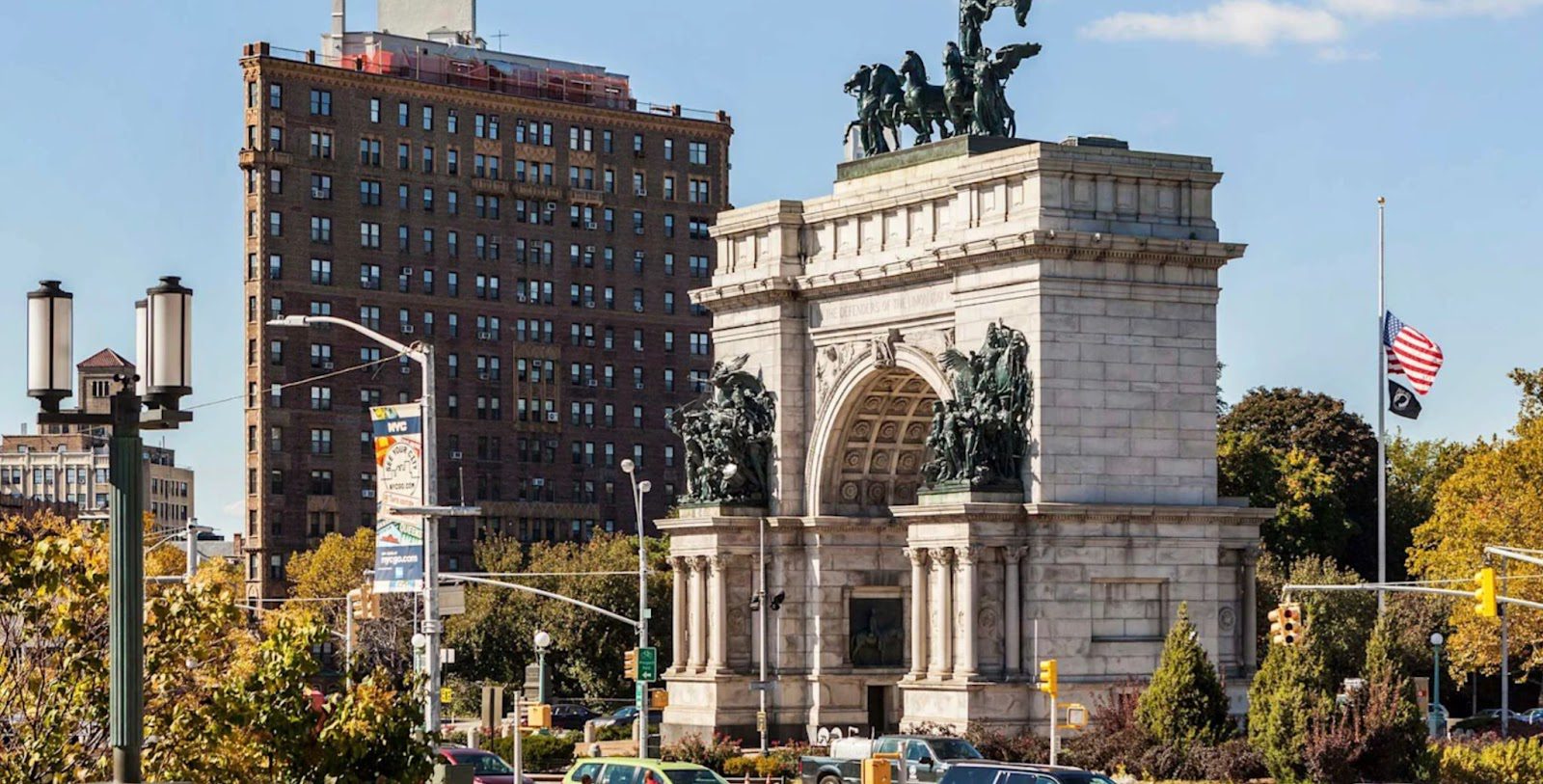
As a result, Brooklyn’s architectural styles range from the elegant austerity of Federal-style buildings to the majestic Greek Revival style. Strolling through the borough, you can also come across the amazing ornamentation of neo-Gothic buildings or the romantic, ornamental Italianate design.
Today, Brooklyn is proud of its preserved brownstone buildings.14 Their presence contributes to both the enduring charm and aesthetic appeal of the Borough. The architectural style of these row houses is very diverse. It includes elements of Federal, Greek, Neo-Gothic, and Italianate designs.
The Landmarks Preservation Commission plays a key role in protecting this rich architectural heritage, making sure that the history of Brooklyn Heights continues to live on through its buildings.
Sources: