

Having got rid of ornamentation and adopted minimalism, modernism became a very popular style in the world architecture of the twentieth century. Of course, the United States in general and the Borough of Brooklyn in particular did not escape this fate. Perhaps the popularity of the style can be attributed to the fact that it is associated with an applied approach to the functionality of buildings, strictly adhering to the rational use of building materials and the introduction of structural innovations.
By the way, in 1932, an exhibition of modernist architecture was held in America, which called International Modernism, which secured the name for the style. For more examples of architectural masterpieces made in the modernist style, see brooklyn-future.com.
What is modernism
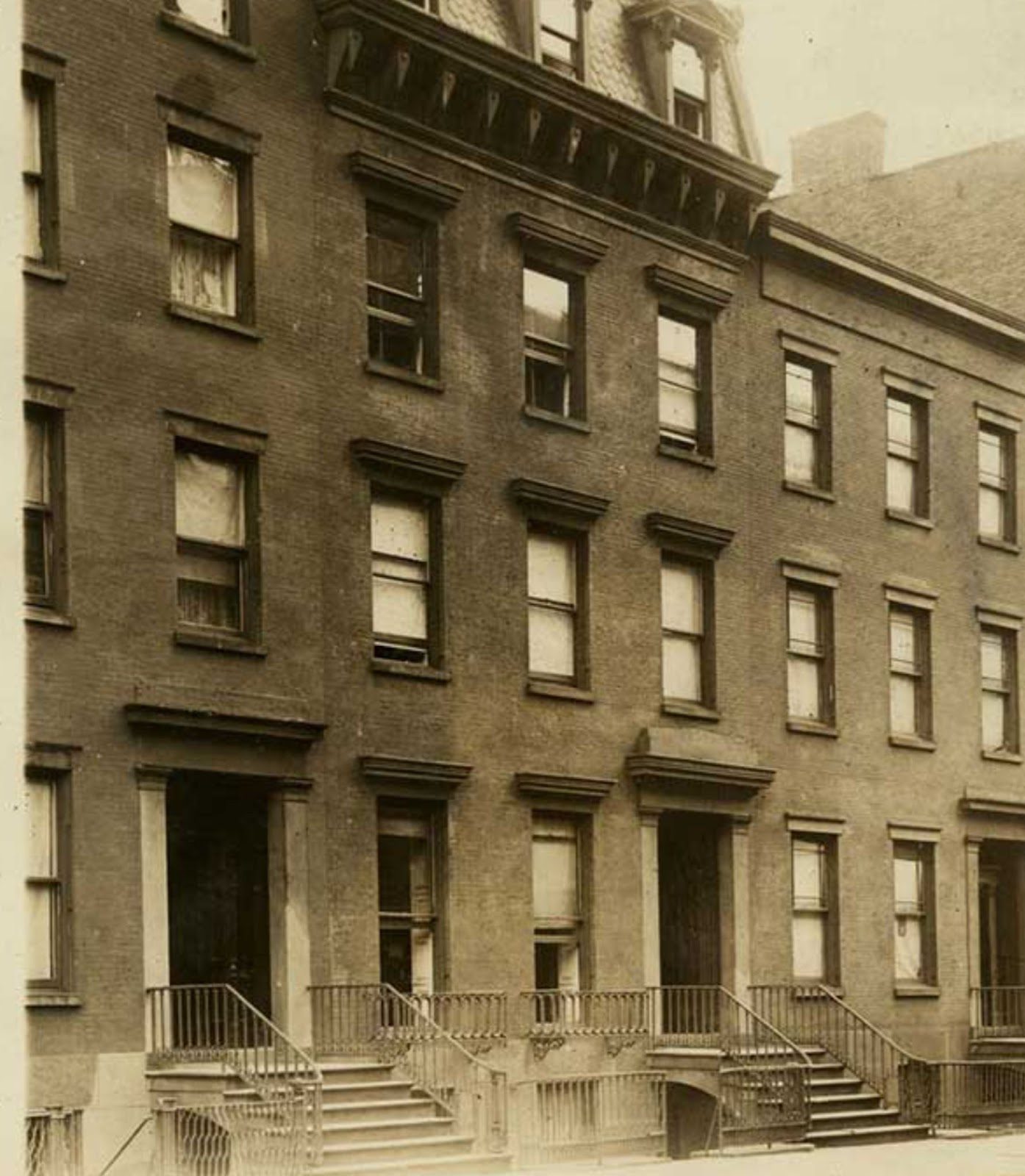
At once, it should be noted that this style is always characterized by a bright emphasis on volume, asymmetrical compositions are inherent in it.12] At the same time, there is almost no ornamentation in modernism, this style simply rejects it. At one time, the term “Modern Movement” was used to describe the austere modernist designs of the 1930s and early 1960s. Among the first to use modernism in architecture were Walter Gropius and Le Corbusier. And it was Corbusier who had a great influence on the design of public housing projects in Britain.
If we try to figure out what modernism implies in architecture, then the first thing to pay attention to is that form meets function. Modernism is first and foremost a functional design. In addition, asymmetrical compositions with the addition of geometric shapes are used here. Very often, roofs in this style are flat. As for the accents, they are made on horizontal lines – linear elements and protruding consoles.
Building materials are also one of the features of this style. The fact is that modern building materials are usually used for the construction of Art Nouveau objects. These materials include reinforced concrete, steel frames, hinged facades, and ribbon windows. Therefore, the buildings have accentuated and clear lines with minimal elements of ornamentation or its absence at all. In other words, Art Nouveau buildings “forget” about stucco moldings and tendencies to white or neutral palette.
Another feature of Art Nouveau is the interiors of open plan. That is, bright interiors with an emphasis on space. This is facilitated by large windows that help you feel the space in interiors that are often planned and designed as flexible spaces.
Modernism in Brooklyn
As for Brooklyn itself, of course, it can boast a wide variety of architectural styles. Naturally, Art Nouveau is a very prominent style. Moreover, both residential and commercial buildings were constructed in this style. All of them reflect the diversity of the Borough’s architectural landscape.
Brooklyn Modernism, does not deny the significant influence of this international style, emphasizing clean lines, minimalist aesthetics and functional design. It is also characterized by the use of the latest materials and the rejection of ornamentation.
If we name the key characteristics of Brooklyn modernism, we should mention
- the presence of clear lines and geometric shapes;
- the presence of simple geometric shapes and the absence of decorative elements;
- application of minimalist aesthetics;
- prioritizing functionality and simplicity;
- internal modernist spaces are designed with an open layout;
- use of glass, steel and concrete, all of which are inherent in modernism;
- integration with the landscape;
- taking into account the environment, and including green spaces or courtyards.
If we talk about examples of modernist buildings in Brooklyn, they are here, and there are quite a few of them.54 First of all, we should mention the Brooklyn Museum. Although the original building has elements of the Beaux-Arts style, modern additions and reconstructions reflect modernist principles. Another example of this style is the Atlantic Terminal and Barclays Center.
Despite the fact that these buildings of various sizes usually do not adhere to any one style, they incorporate modernist elements. Among them are clean lines, large glass facades, and modern materials.
In addition, there are numerous apartment buildings in Brooklyn that were built in the mid-20th century and now demonstrate the presence of modernist design.
Town house in Brooklyn Heights
A striking representative of this style in Brooklyn is a town house in Brooklyn Heights. It was built in the middle of the nineteenth century as a Federal style town house. The size of the house is quite substantial – 22 by 60 feet. No wonder it is now one of the most recognizable houses in the borough. Almost all locals know that it is located at 52 Sidney Place. Despite the fact that the building underwent a transformation in 2010, its popularity has not diminished.
The renovation helped to optimize the size of the penthouse, bringing it in line with the Art Nouveau architectural style that was common in the middle of the last century. All this helped to harmonize the old and the new.
The house found a home in the tree-lined Place neighborhood in Brooklyn Heights. The current value of this town house is $9.9 million. The style of the building is quite meticulously imbued with modernism, and this applies to both the interior and exterior. It is characterized by organic minimalism and architectural warmth.
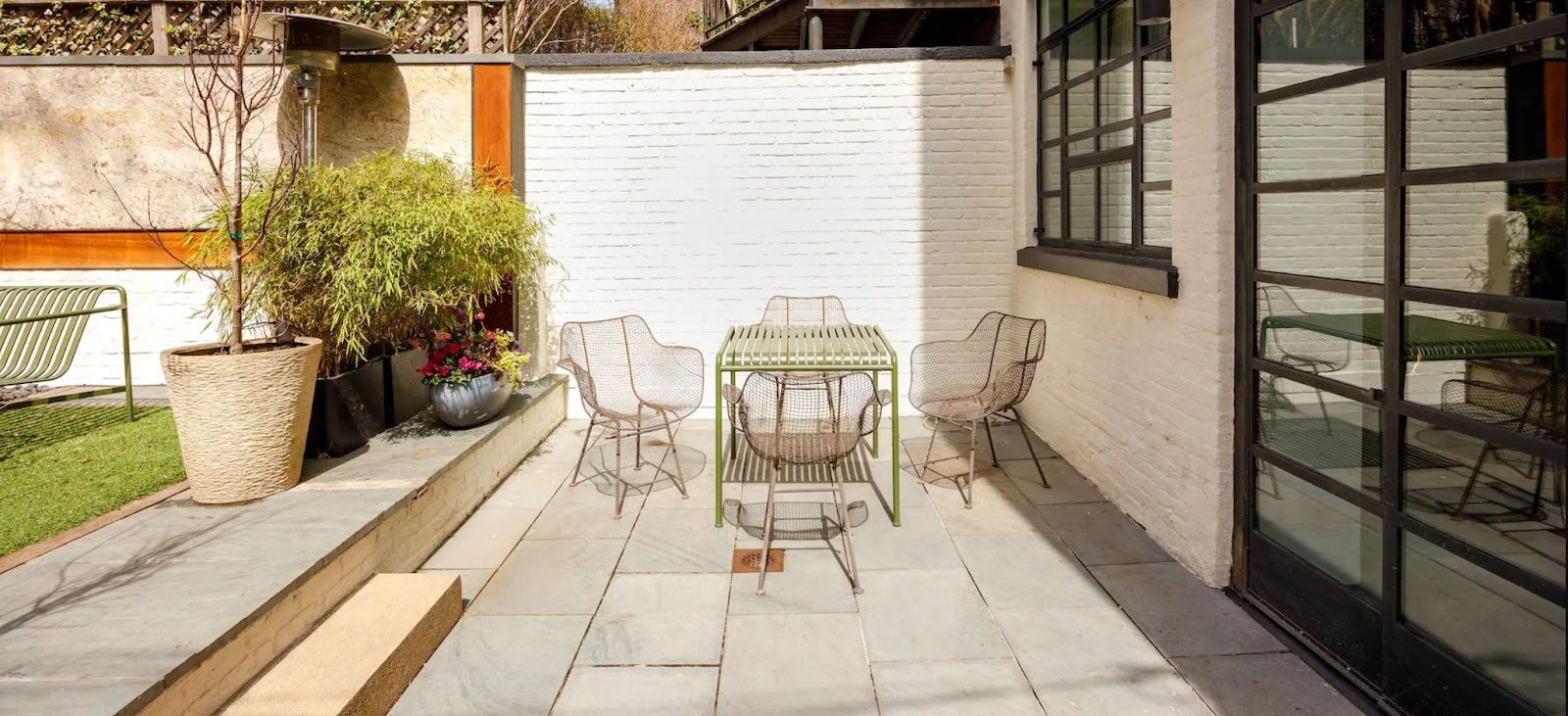
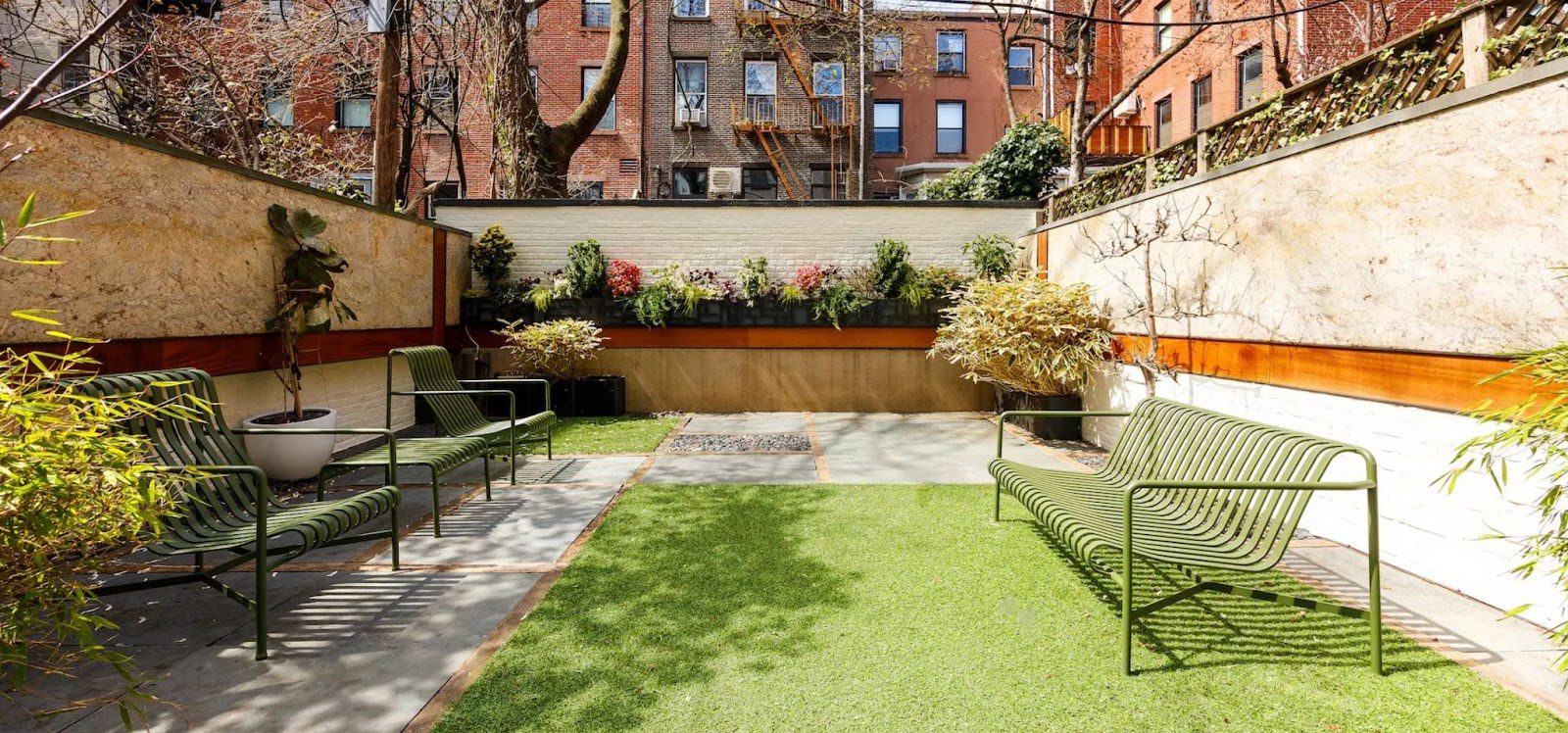
The total area of the penthouse is more than 5 thousand square feet of living space.35 It has four floors in height. The building has a total of seven bedrooms and four full bathrooms. As for the outdoor space, it should be noted that there is a Japanese-style back garden and a large landscaped terrace on the roof. The facade of the penthouse is made of pale brick, which frames the large windows. By the way, the windows are made of black steel. Their appearance became possible after the reconstruction of this building in 1962.
The main entrance to the house is on the first floor, leading past a landscaped front garden. The ceilings here are quite high, as if framing the living and entertaining spaces with a front dining room, a central kitchen and a spectacular living room. The latter, by the way, goes deeper into the back of the house.
Modernist interiors
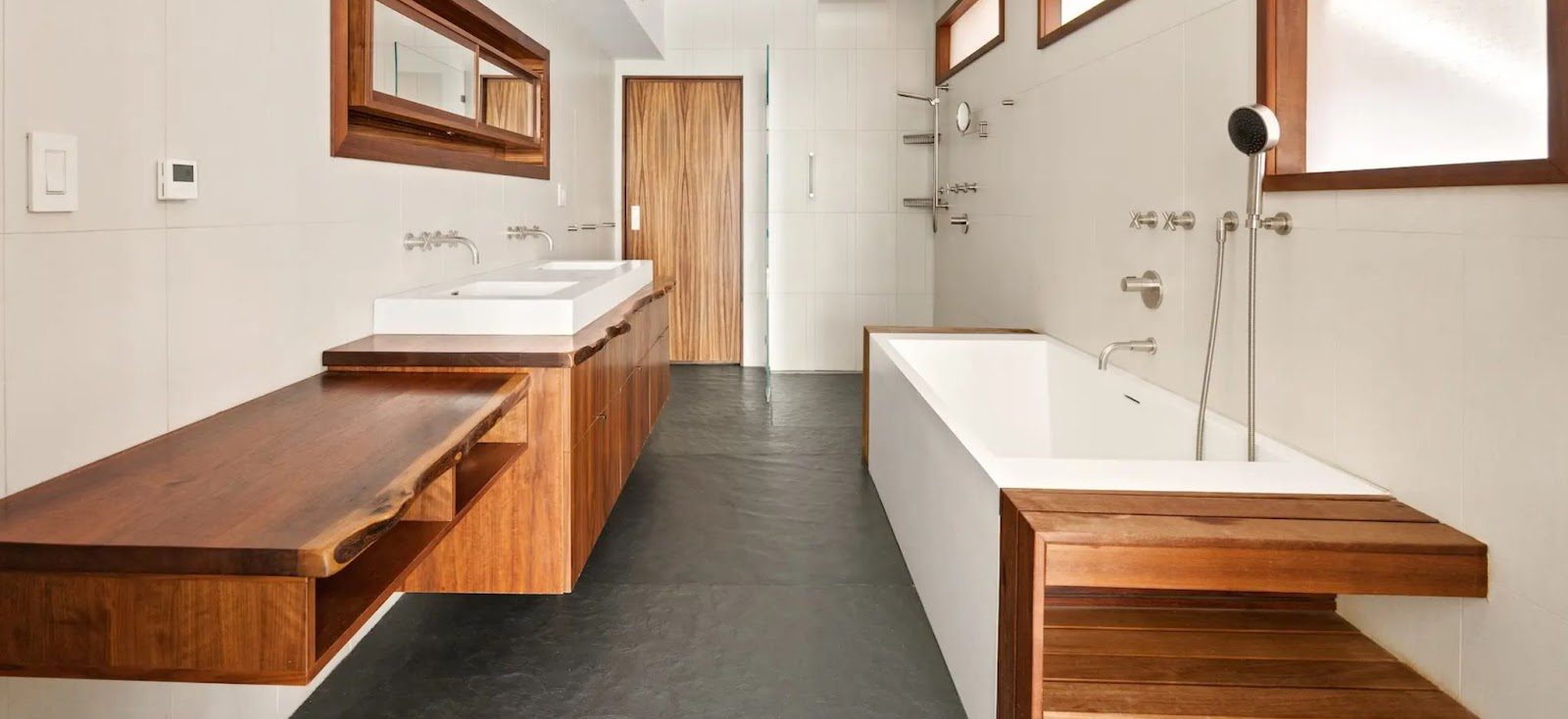
As for the interior itself, it reflects a carefully thought-out, and therefore timeless, modernist aesthetic. The house was built back in the nineteenth century, but with the addition of 21st-century amenities and certain luxuries, it is almost impossible to notice. What is meant when it comes to modern amenities.
First of all, a nine-zone heating and cooling system, as well as underfloor heating. Design features were also added, such as modern window sills, dressing tables, built-in wardrobes and bookshelves. There was also a marble fireplace surround, a custom-made bar counter, a living room, and, at the same time, the floor was deepened, which was first made of concrete and then covered with walnut planks.
And the crown of this modernist creation was a loft with a roof. It was combined with two bedrooms and a gallery, a full bathroom and a kitchenette.
Sources:
- https://www.6sqft.com/1850s-brooklyn-heights-townhouse-reimagined-with-mid-century-modern-architecture-asks-9-9m/
- https://thelocalproject.com.au/articles/brooklyn-heights-townhouse-by-starling-architecture-project-feature-the-local-project/
- https://www.architecture.com/explore-architecture/modernism