

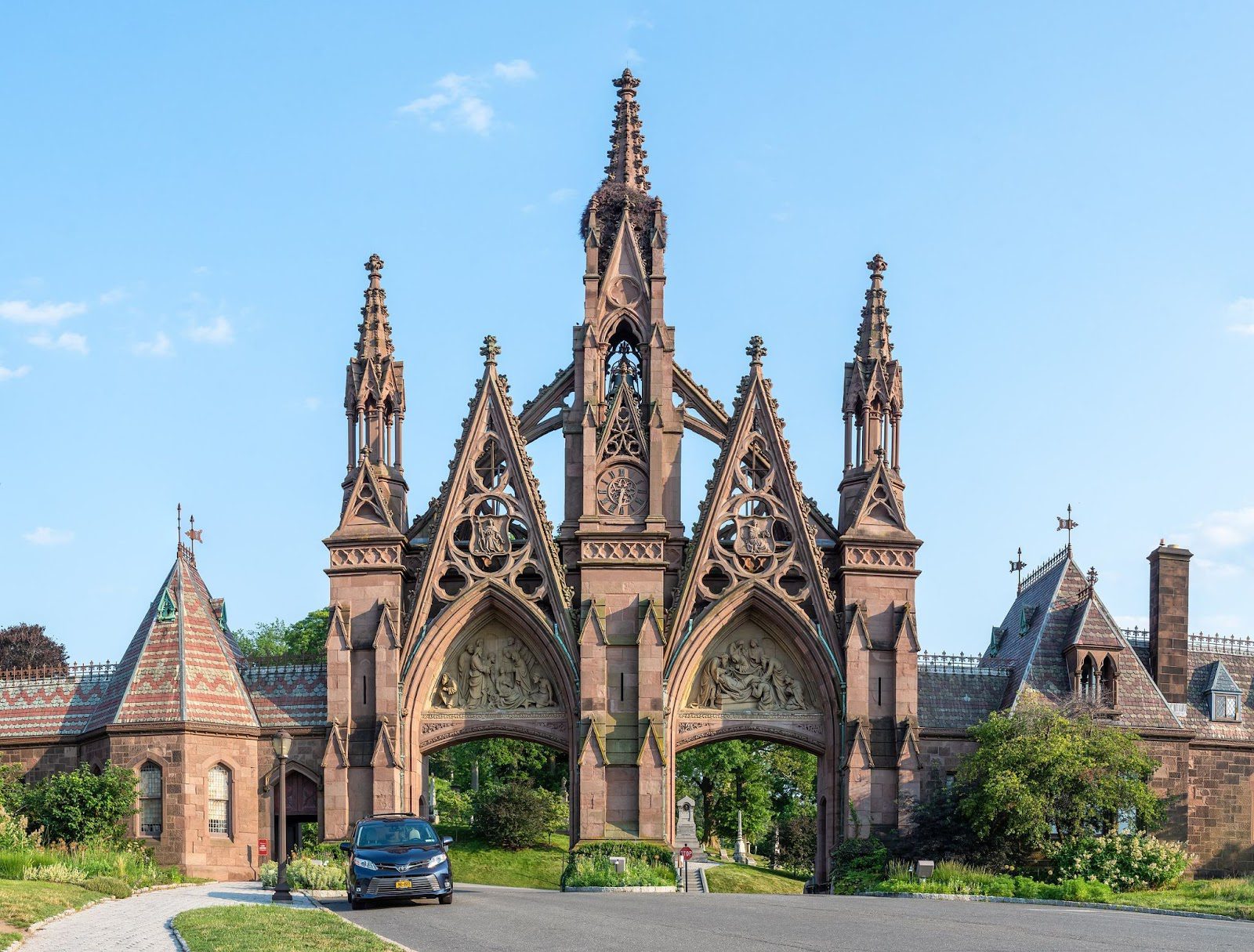
For the people of Brooklyn, the city’s cemeteries are more than just burial grounds. They reflect the city’s multifaceted history. Cemeteries changed and transformed alongside the city’s growth, demonstrating that nothing is eternal, even in death. In recent years, cemeteries have started to serve as public places. An excellent example is Green-Wood Cemetery in Brooklyn. It is one of the best places for walking in the city, and its catacombs host popular concerts. It has gotten to the point that the cemetery’s management has been considering ways to reduce carbon emissions in recent years. Learn more about the history of burials in Brooklyn at brooklyn-future.com.
Indigenous burial sites: cemeteries of the Lenape
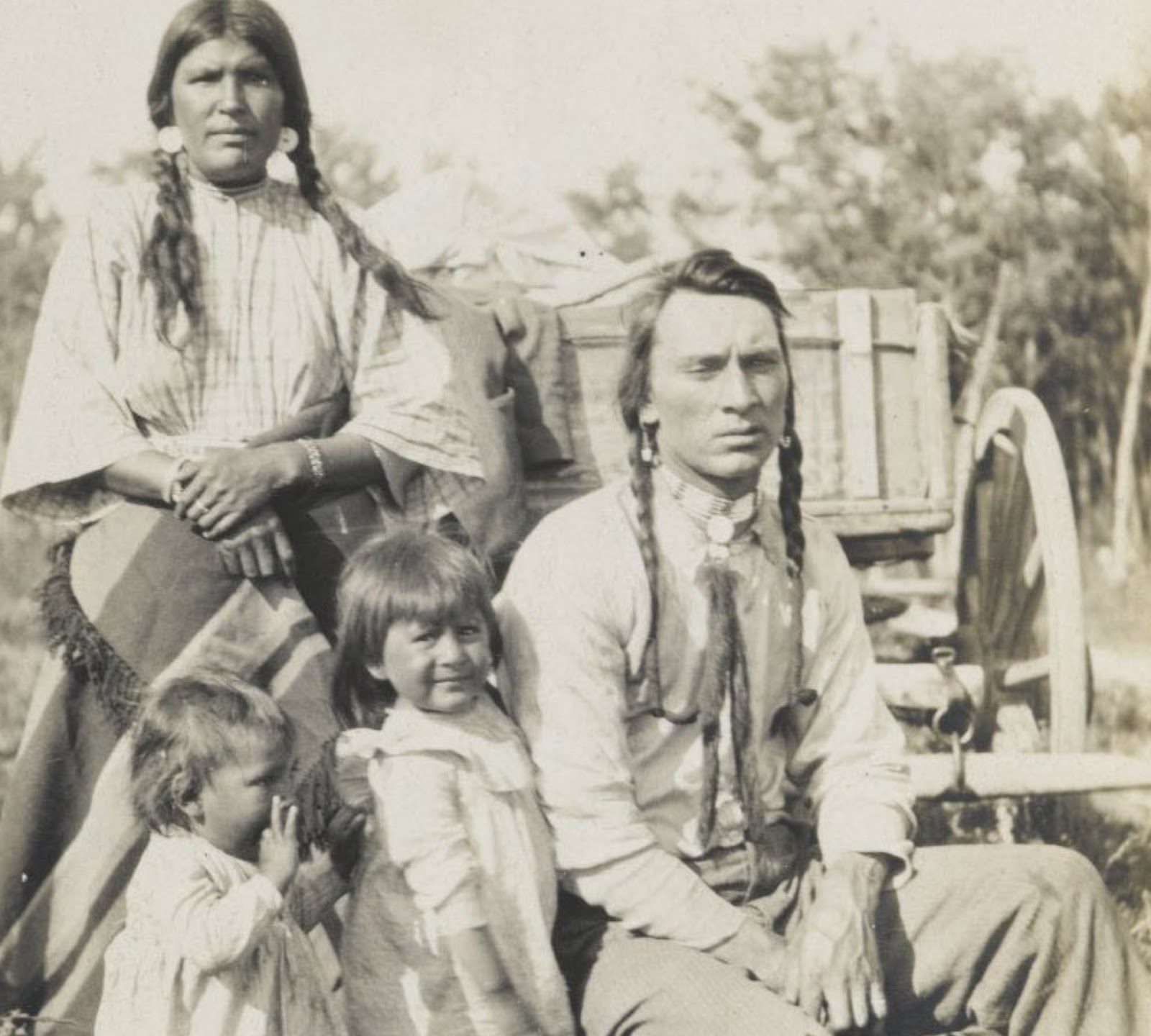
In fact, the history of New York, and hence Brooklyn, cemeteries would be incomplete if we had not begun with the pre-European era. After all, it is obvious to everyone that people were buried here long before Europeans arrived. This is supported by the extensive burial ground of the Lenape people. It was discovered in Staten Island. Funeral hill is located in Conference House Park, on the site of which many skeletons are buried with their knees folded to their chests. Smaller cemeteries were also discovered here.
If we talk about the Lenape people, they arrived on the territory of modern-day New York approximately 3,000 years ago, and by the time they first came into contact with Europeans, they had formed nearly twenty separate communities. Manhattan and Brooklyn were mostly occupied by the Munsee (named after the dialect of the Algonquin language they spoke), particularly Canarsee and Marechkawieck. The Lenape people were subjected to European conquests, as well as a combination of new diseases, wars, mass slaughter and despicable land purchases, which eventually decreased their population to a mere ten percent of its previous number. The majority of Lenape descendants currently live in Oklahoma, exiled from their homeland.
However, it turns out that everyone in Brooklyn is far closer to Lenape’s history than they may have realized. A 1946 map by the Brooklyn Historical Society shows that Atlantic, Flatbush and Division Avenues, along with Fulton Street, were constructed on the original Lenape trading, hunting or walking trails. Additionally, the present-day Van Voorhees Park is based on a historic park known as Sassians. So, it appears that there was an Indian burial site in Boerum Hill, and the area around the Town Hall was formerly a thriving indigenous village.
First European burials
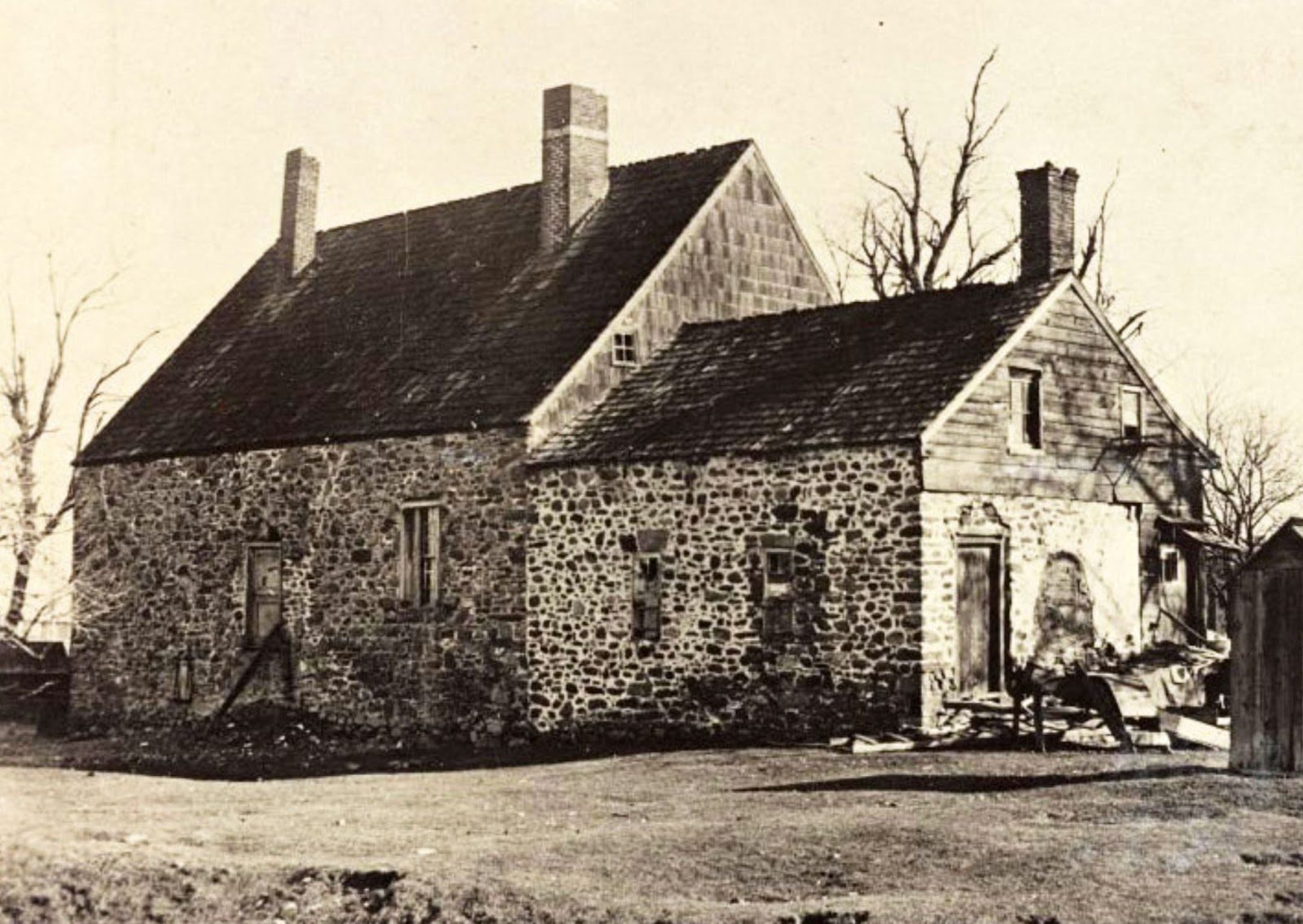
Since European settlement occurred in 1609, the majority of burials have taken place in churchyards or church cemeteries. These cemeteries were the center of daily life and a continual reminder of mortality.
Graves from the Dutch colonial burial site, for example, might be found beneath the backyards between Second and Third Streets, near Fifth Avenue, in Brooklyn’s Park Slope. The property was previously part of the Vechte family’s estate, which relocated from the Netherlands in 1670 and purchased land along what would become the Gowanus Canal.
In 1699, the Vechte family built their house, known as the Old Stone House, near today’s Third Street between Fourth and Fifth Avenues. The Vechte family stayed on the farm until the end of the War of Independence when they sold it to the Cortelyou family.
The cemetery was founded by Nicholas Vechte, who inherited the land after his parents deceased. In his testament of 1779, he left his house and farm, as well as the burial site on a fenced farm, to his grandson Nicholas Cowenhoven. When Nicholas Cowenhoven sold the land to Jaques Cortelyou in 1790, he excluded the enclosed cemetery from the selling agreement, keeping it for himself and his heirs.
Similarly, in 1853, Adrian Cortel sold the land to developer Edwin Litchfield, leaving the cemetery’s heirs the right to utilize it. The cemetery was fenced and situated between Fifth and Sixth Streets. According to the contract, the plot was not more than 50 square feet.
When the farm was sold for construction in the 1850s, friends and relatives agreed to relocate some of those buried in the estate cemetery. Nicholas Vechte, his daughter Gerritje Tiebout and her husband Teunis Tiebout were among those whose remains were relocated to a Polhemus family plot at Greenwood Cemetery in 1865. However, other graves remained in the area. By the 1870s, at least seven graves remained identifiable within the small cemetery, which was then known as the old Cowenhoven burying ground, despite the fact that many of the tombstones were damaged or broken.
Family burial sites
This is another evidence of the concept that history is often much closer to you than you realize. Family burial grounds were a frequent practice among European immigrants in Brooklyn. Here’s another story that occurred in Sunset Park. In June 1874, a police officer named George Zundt discovered human remains while excavating a cesspool in the house he had recently moved into on 40th Street between Third and Fourth Avenues. According to a local newspaper, in addition to the remains, comprising two skulls, which still had hair, and other bones, officer Zundt discovered a tombstone with the inscription: “Catharine Crabb, Aged 71, Died March 17, 1839.”
As it turned out, George Zundt’s new house was situated on the site of an old graveyard that was part of the homestead farm of Simon Bergen, who was a descendant of one of the first Dutch settlers in the region. Bergen owned the northeastern half of the former 300-acre DeHart plantation near Gowanus Bay.
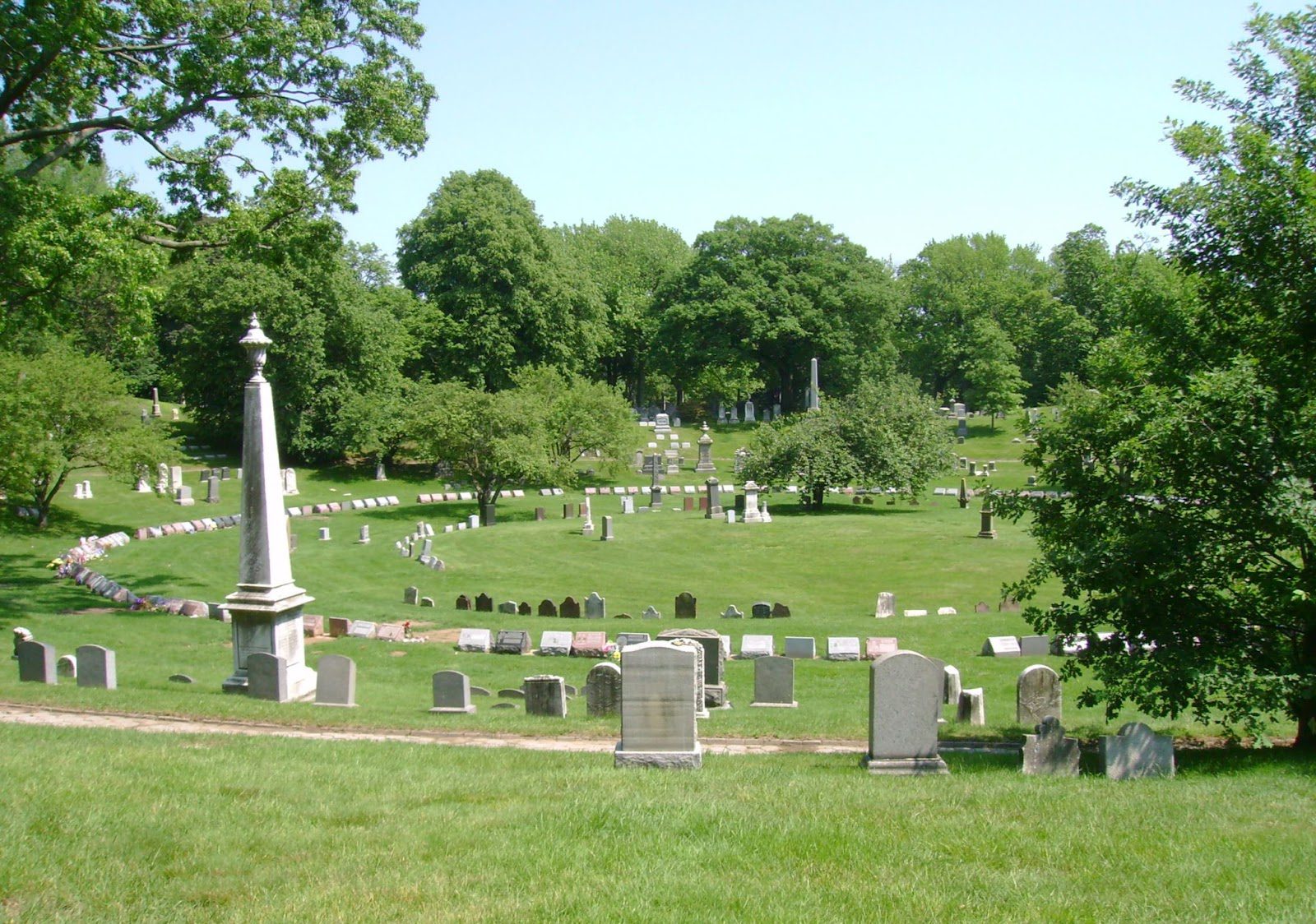
The cemetery, which was 49 feet north-south and 94 feet east-west and encircled by a stone wall, is identified on a number of nineteenth-century property maps and land records. In an 1827 document, Simon Bergen granted the land to John S. Bergen and his descendants in 1827, reserving the right to do so for himself and his descendants in the future. As a result, the cemetery was used from the late 1700s until the 1840s, when Bergen’s descendants began relocating the remains of their family members to plots in the nearby Green-Wood Cemetery.
Potter’s fields
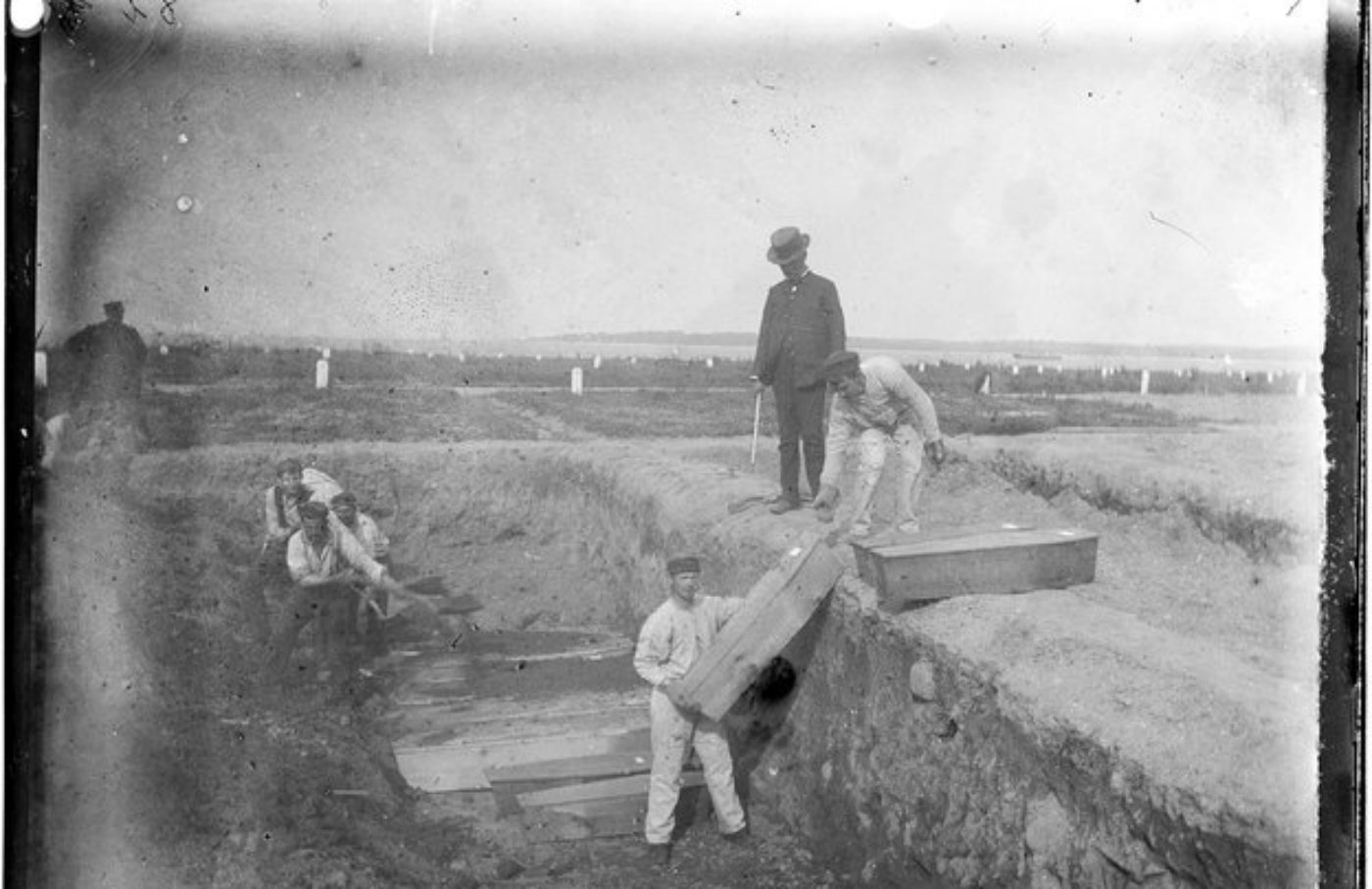
A pottery field is any location where unknown deceased poor people, for whom for which no one can pay, are buried. This name derives from the Bible and refers to both a location for extracting pottery clay and a burial site for foreigners. As this ground was unsuitable for agriculture, it was the best location to bury foreigners.
However, there is another explanation for this term, which may simply be a coincidence. This was the name of a little harbor on the East River that was located right below the Williamsburg Bridge in Brooklyn. In April, bodies that had been in the river since November and throughout the winter floated to the surface. So, when the temperature rose, they began to decompose and eventually rise to the surface. Every year, the East River water pushed these bodies to the Potter’s Field docks.
Whatever it was, there were plenty of such burial sites. Several popular public parks, including Madison Square Park, Bryant Park and Washington Square Park, were once potter’s fields as well. All of them were originally located on the outskirts of the city and were used to bury unknown people or those who couldn’t afford to be buried elsewhere. An estimated 20,000 bodies remain under Washington Square Park.