

In the late 1880s of the nineteenth century, electric generator and engine technology evolved to the point where they could be used as energy sources for trams. In 1888, Richmond, Virginia, became the first city to electrify a streetcar line successfully. Soon after, in 1890, the then-city of Brooklyn electrified the Coney Island Avenue line. As a result, trams began to replace horse-drawn and cable cars. The tram was cutting-edge technology at the time, fueled by novel, highly efficient energy sources. By the way, the last cable car line in New York stopped operating in 1905, and the last horse-drawn car line ceased operations in 1917. Find out more information on Brooklyn streetcars at brooklyn-future.com.
A new mode of public transportation
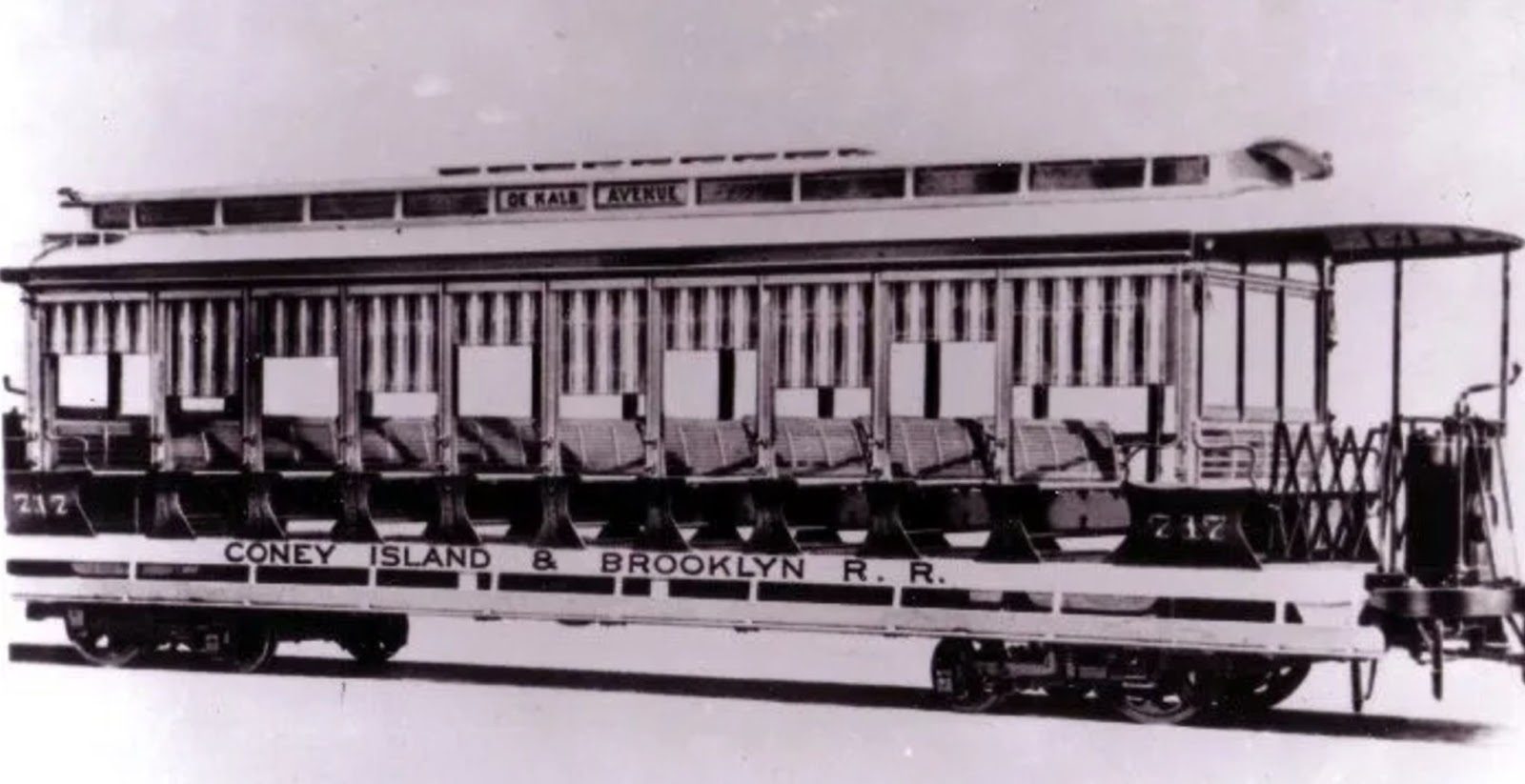
Thus, by the end of the nineteenth century, thanks to electric energy inventors and researchers, electric modes of passenger transportation were invented and implemented. These were called trams, and they quickly replaced horses. The new electric tram soon spread throughout American cities, becoming the primary means of urban transportation until the introduction of cars, which in most cities occurred in the first half of the twentieth century.
In addition, electric trams also became known as trolleybuses. The truth is that the transportation had an original electronic lifting device known as a trawler, which is where the name came from. Trolleys had a rather large network of tracks in Brooklyn, so once remote areas of the borough began to turn into hubs of social activity.
Trolley lines were powered by wires that were attached to poles. So, in the 1920s, Staten Island was the first neighborhood outside of Manhattan to acquire these electric trams called trolleybuses, and Brooklyn soon followed suit in 1930, joining the ranks of happy users of a new type of public transport. However, trolleys did not dominate Brooklyn’s streets for long. By 1960, buses became a new popular transportation, which completely replaced New York trolleys.
However, in the beginning, the trolley was a very popular and progressive mode of urban transportation. Brooklyn even had a popular baseball team called the Brooklyn Trolley Dodgers. This name appeared thanks to the avid fans who attended matches while “dodging” traffic and avoiding trolley traffic jams. However, later the team’s name was shortened by excluding the word “trolley”.
Issues brought on by competitors
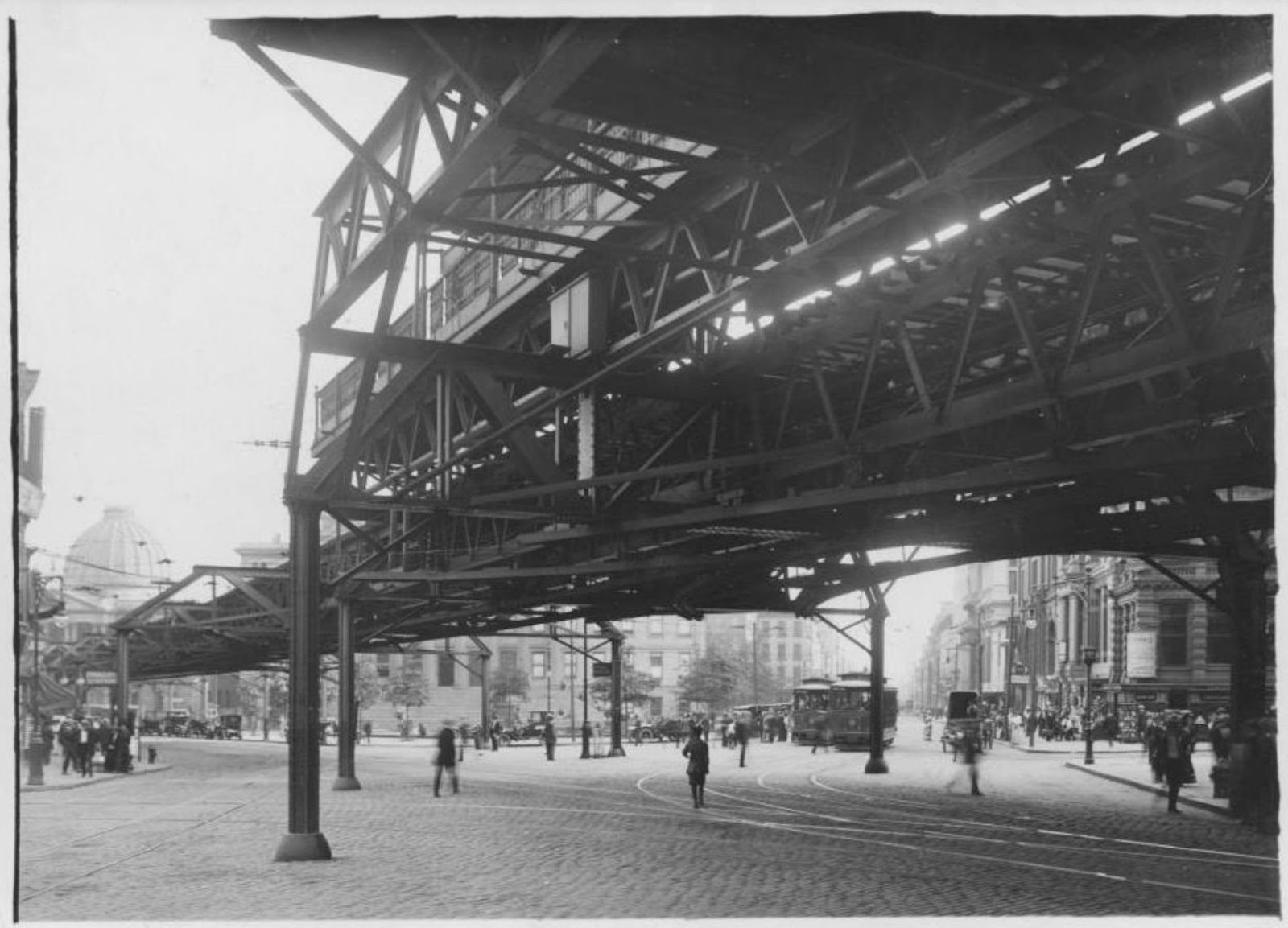
However, beginning in the 1920s, privately owned trolley companies began to encounter a number of issues. They were declared a war. It should be noted that this was a period of increased car ownership, as well as growth in automobile traffic in cities in general, and in the Brooklyn borough in particular. The level of competition was significant. In addition, local governments had grown increasingly repressive to trolley operators. For example, track repairs were frequently stalled by requirements for transportation companies, which were then followed by repairs on surrounding streets.
Simultaneously, municipalities imposed additional income regulations. Fares in Brooklyn were “frozen” despite inflationary tendencies that had turned previously profitable streetcar lines into loss-making ones. By the way, an identical issue occurred with the recently opened subway. Of course, once the city took over transportation, the fare was raised.
Overall, the electric tram system could survive competition in the urban transportation market due to its efficiency in intra-city transportation. However, the car business, or more specifically, those involved in it, did not want competitive modes of transportation. From the 1920s to the 1950s, “car bosses” purchased streetcar companies and pushed hard to replace this transport with a different type, one with rubber tires.
National City Lines
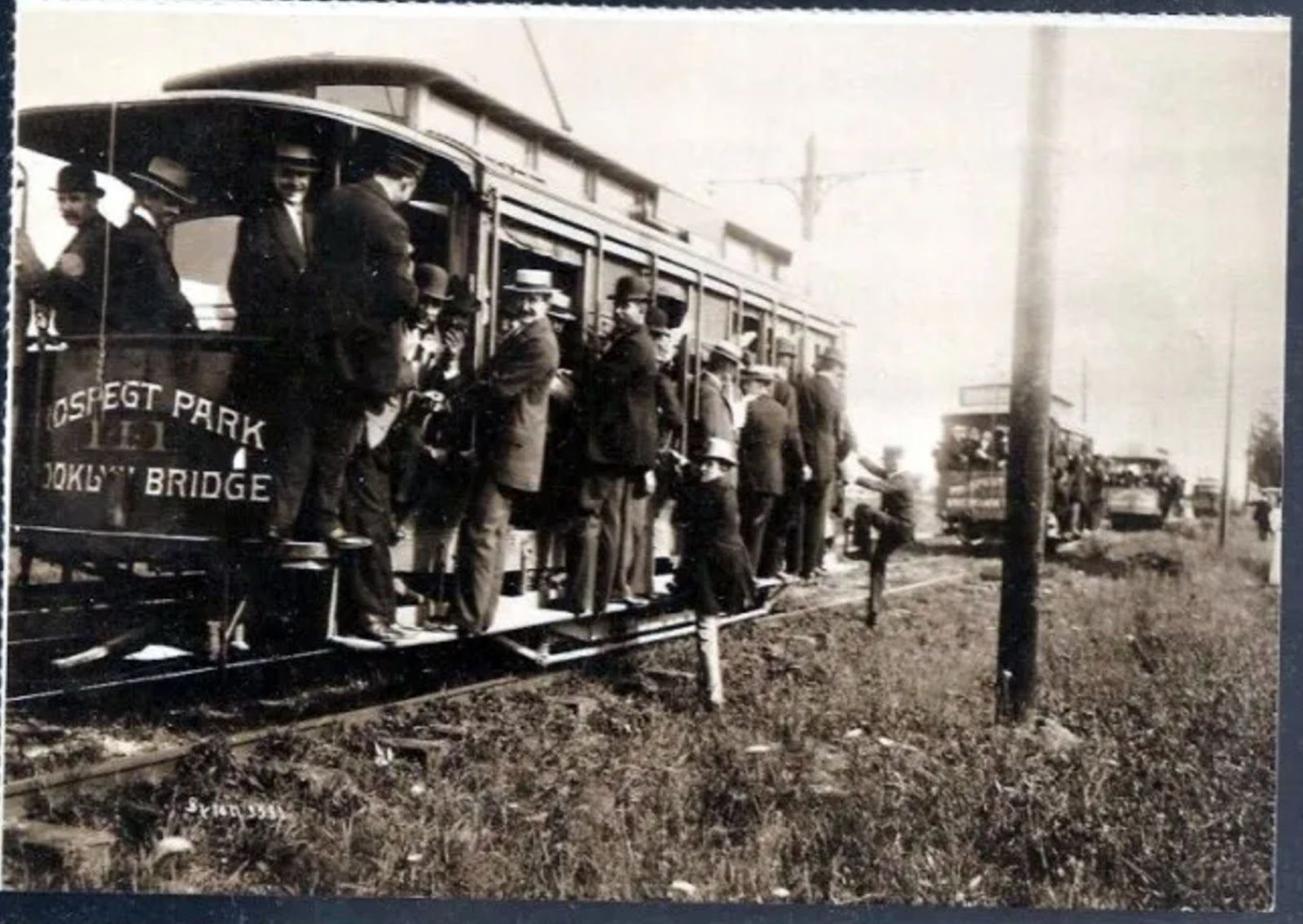
The company National City Lines is one example of such activities. Perhaps the most obvious factor contributing to the demise of Brooklyn light rail transportation was its tactics, which attempted to undermine railway, that is, streetcar transit operations. The National City Lines, jointly owned by General Motors, Standard Oil and Firestone Tyres, operated under the cover of small bus companies. They gradually purchased private streetcar companies and replaced trolleys with inefficient buses that also smoked.
Furthermore, National City Lines urged municipal governments to remove trolley lines as a traffic issue. However, it should be noted that this corporation eventually got what it deserved. It was found guilty of a criminal conspiracy to destroy the American streetcar system.
However, unhealthy competition was not the only problem with Brooklyn streetcars. As with any mode of public transportation, mechanical and human failures were common. People were frequently careless, including ordinary citizens of various ages and employees. Trolley companies, of which there were many, tried to earn a profit by cutting corners while driving. In the days when strict traffic safety laws were not yet established, there were no strong unions, so certain things did not go as planned, resulting in injuries and fatalities from transportation.
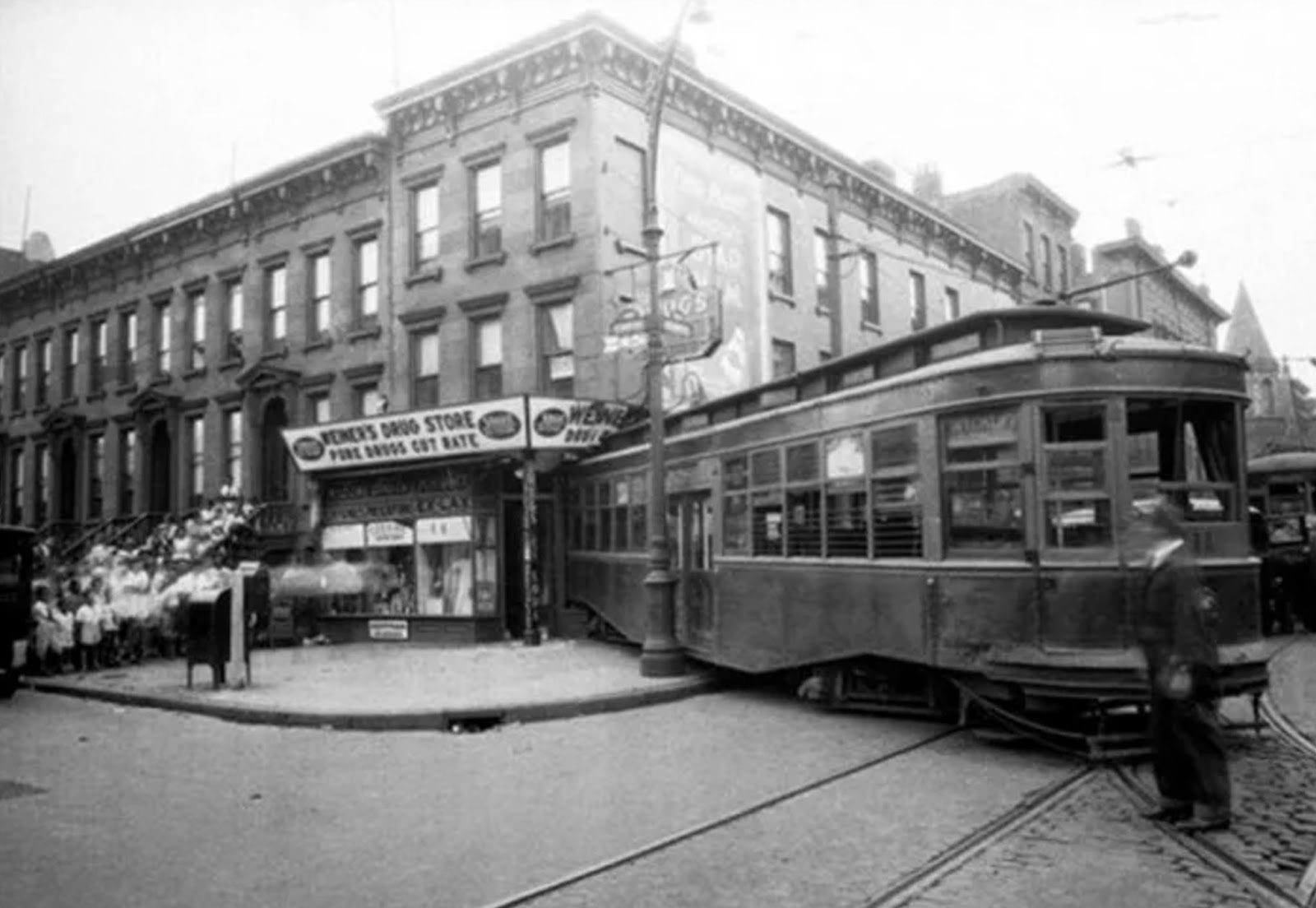
From 1891 to 1950, the local newspaper Brooklyn Eagle published articles on incidents that occurred in the city, including those involving streetcars or caused by them. The number of accidents reached 644. Of course, not all the accidents were the fault of the trolley driver or the transport itself, but you will agree that the percentage of accidents involving this type of urban public transportation was pretty high. Also, when automobiles first became popular in Brooklyn, the streets were practically packed with traffic. In addition, amid all of this chaos, streetcars occupied the central part of the street, slowing down the traffic.
Although measures were taken to save streetcar transportation, they were not always effective. So, even a new invention failed to keep urban streetcars afloat. In the 1930s, local authorities established a special body, the Presidents’ Conference Committee, to address the issue of the so-called light railway. During the operation of this new body, a new tram car was developed, which was outfitted with a new type of brakes that allowed drivers to brake faster if necessary while also giving a smoother and more comfortable ride. Furthermore, the car could accommodate nearly twice as many passengers and utilize electricity at a cost of about $6 per hour. This was at the time when the diesel bus was consuming 32 dollars of fuel.
The demise of trolleys and the emergence of buses
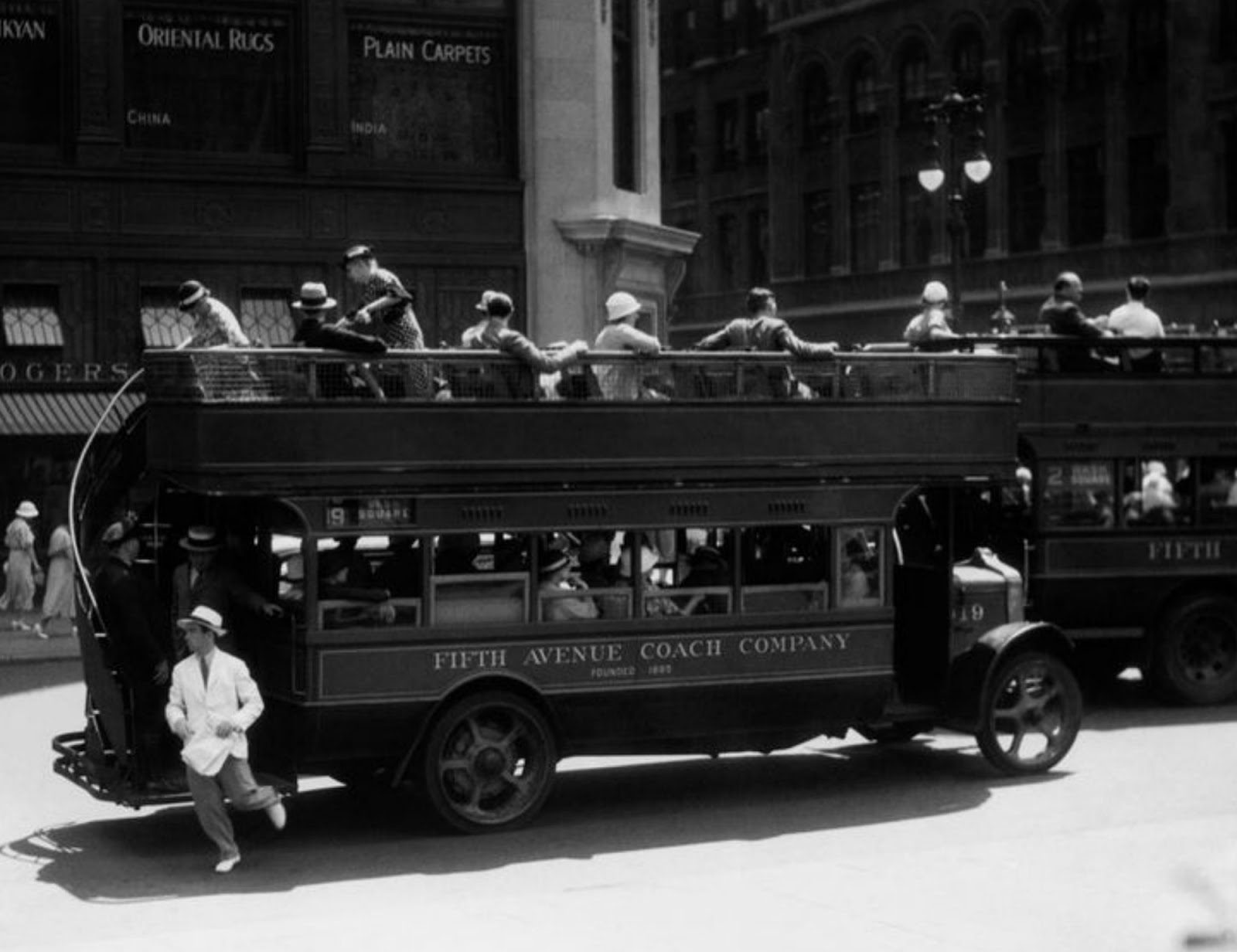
Unfortunately, breakthroughs in streetcar technology came too late to save New York’s trolley lines in general, as well as those in Brooklyn. National City Lines has done its menial work. Their first victim was the New York Railroad, which was considered an important part of the New York City streetcar system.
Furthermore, during this time period, Robert Moses, the secretary of state of New York, who disliked all forms of rail transportation, advocated for the employment of automobiles in the development of the suburbs. As a result, on October 31, 1956, the final three lines of streetcars in Brooklyn, as well as the legendary streetcar Trolley Dodgers, ceased operation.