

The history of the first subway in the Brooklyn borough is inextricably linked to the history of the subway in New York. Thus, it should be mentioned that the first experimental subway in “the Big Apple” city was built in 1870. In truth, it was a cylindrical car propelled by the wind via a large fan. Interestingly, there are allegations that the first subway in New York was built in secret by the editor of Scientific American Ely Beach. Learn more about the construction of the Brooklyn metro and the first borough stations at brooklyn-future.com.
Subway designed by Alfred Ely Beach
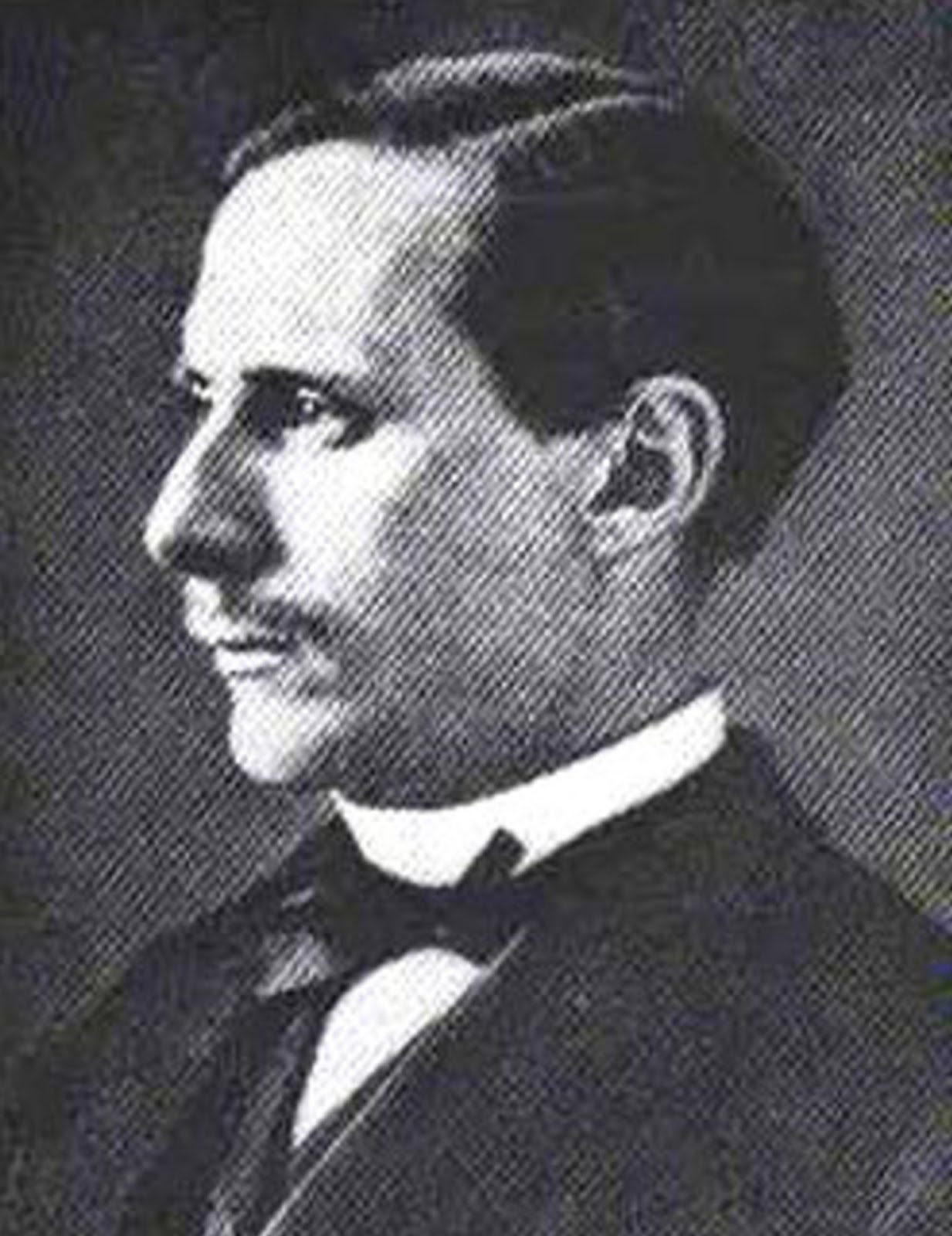
The invention made by Alfred Beach was an early experimental pneumatic subway. It was the sole non-motorized car in the tunnel, powered by a massive blower at one end. As a result, this tunnel, like all metro stations, was restricted in length.
It ran beneath Broadway and stretched for less than 100 meters, from Warren Street to Murray Street near City Hall. Since the subway designed by Alfred Ely Beach was powered by pneumatic force, it operated with a car that was nearly 2.5 meters long and could accommodate 18 passengers as well as a fan with a capacity of 100 horsepower. By blowing down the tunnel, the mechanism caused the car to move.
In addition, it was reversed to generate a partial vacuum that sucked the car back through the tunnel. Although Beach was given permission to extend the line to Columbus Circle, due to the Panic of 1873 and advancements in electric traction engines, the pneumatic subway was only used as a temporary public demonstration project. At the same time, the Beach’s subway demonstrated the practicality of building an underground railway in the city.
Private subway car of August P. Belmont
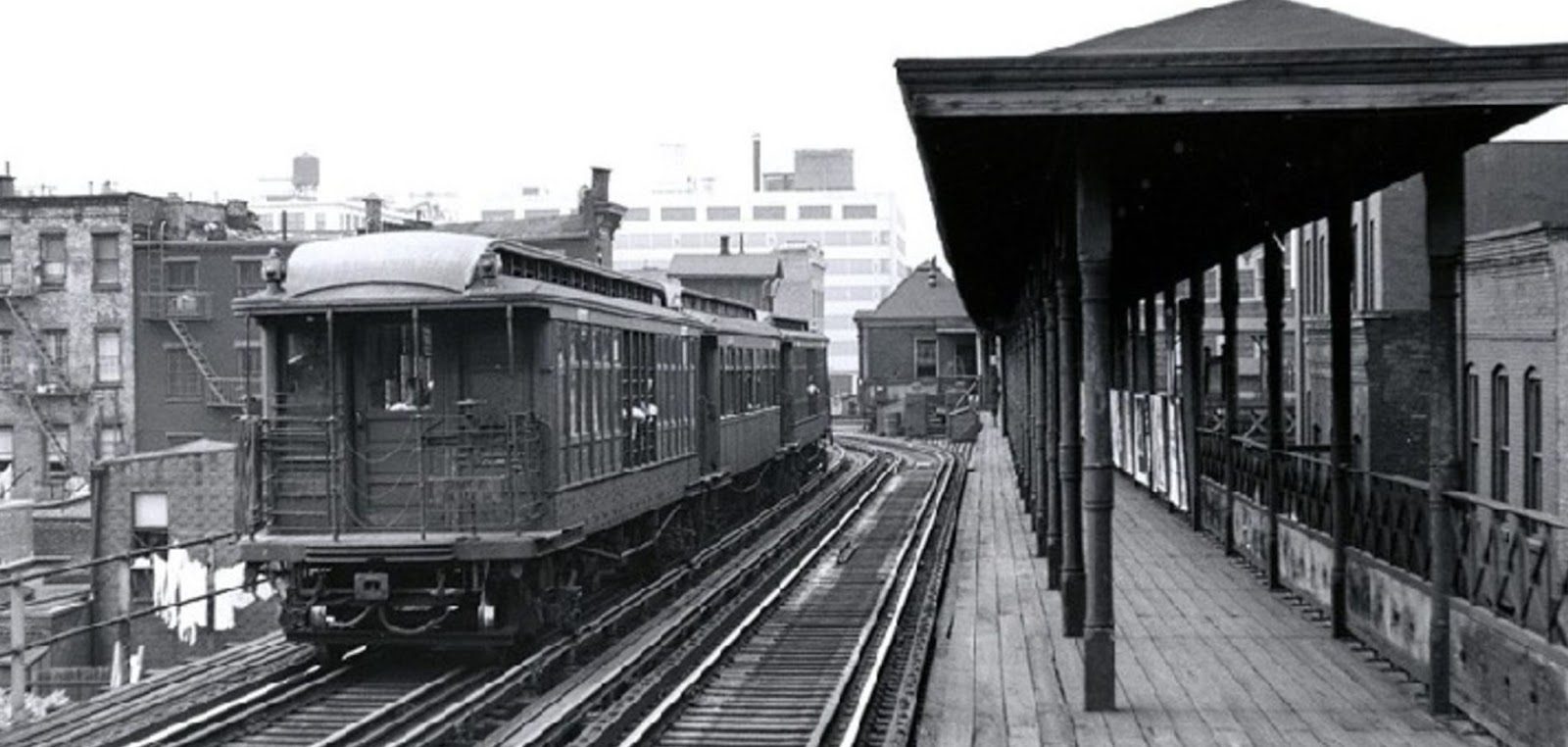
Obviously, the epic with the metro did not end there. Now it was 1904. This year, financier August P. Belmont took up this task. He built a line that ran from City Hall up Park Avenue to Grand Central Station, then west beneath 42nd Street to Times Square. After that, the line went north along Seventh Avenue. Furthermore, Belmont had a private subway car complete with a galley, dining table and other luxurious amenities.
It was known as Mineola. Belmont was able to utilize his private subway car to transport friends to his own race track thanks to a special circuit in Queens that connected to the Long Island Railroad. Furthermore, City Hall station is still used as a circular route for turning local trains that terminate at Brooklyn Bridge station.
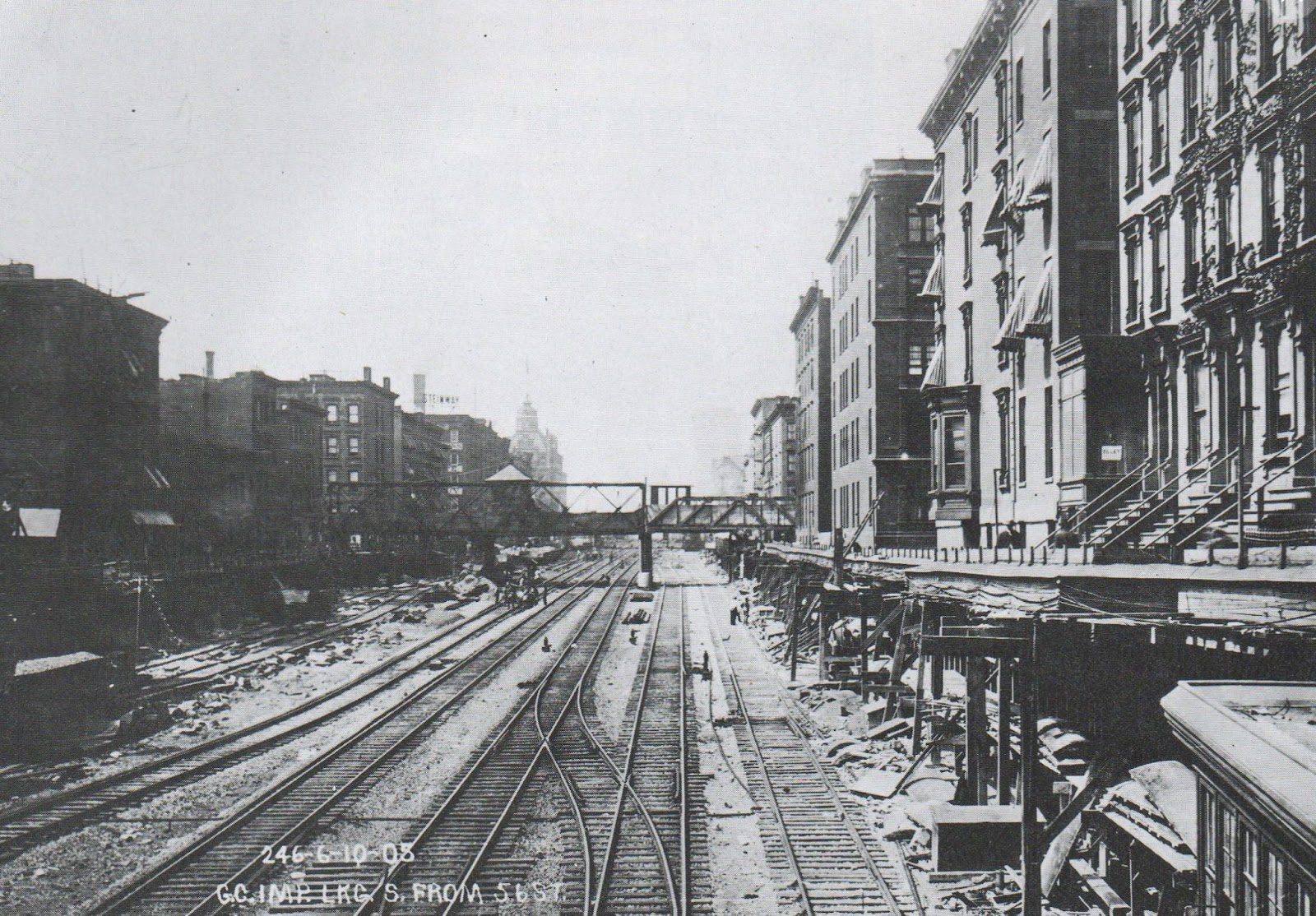
Subsequent contracts soon extended the route north of the Bronx and south of Brooklyn, passing through the Financial District. The initial line cost $35 million and was finished in around four years. Another interesting detail was that the line included what may have been the world’s largest power plant at the time. The earliest cars were all steel, but there weren’t enough of them to fully equip the underground after it was completed in 1904.
In regards to the Brooklyn subway, it should be noted that much of Manhattan and West Brooklyn were already served by aboveground trains in 1904, long before the underground was built.
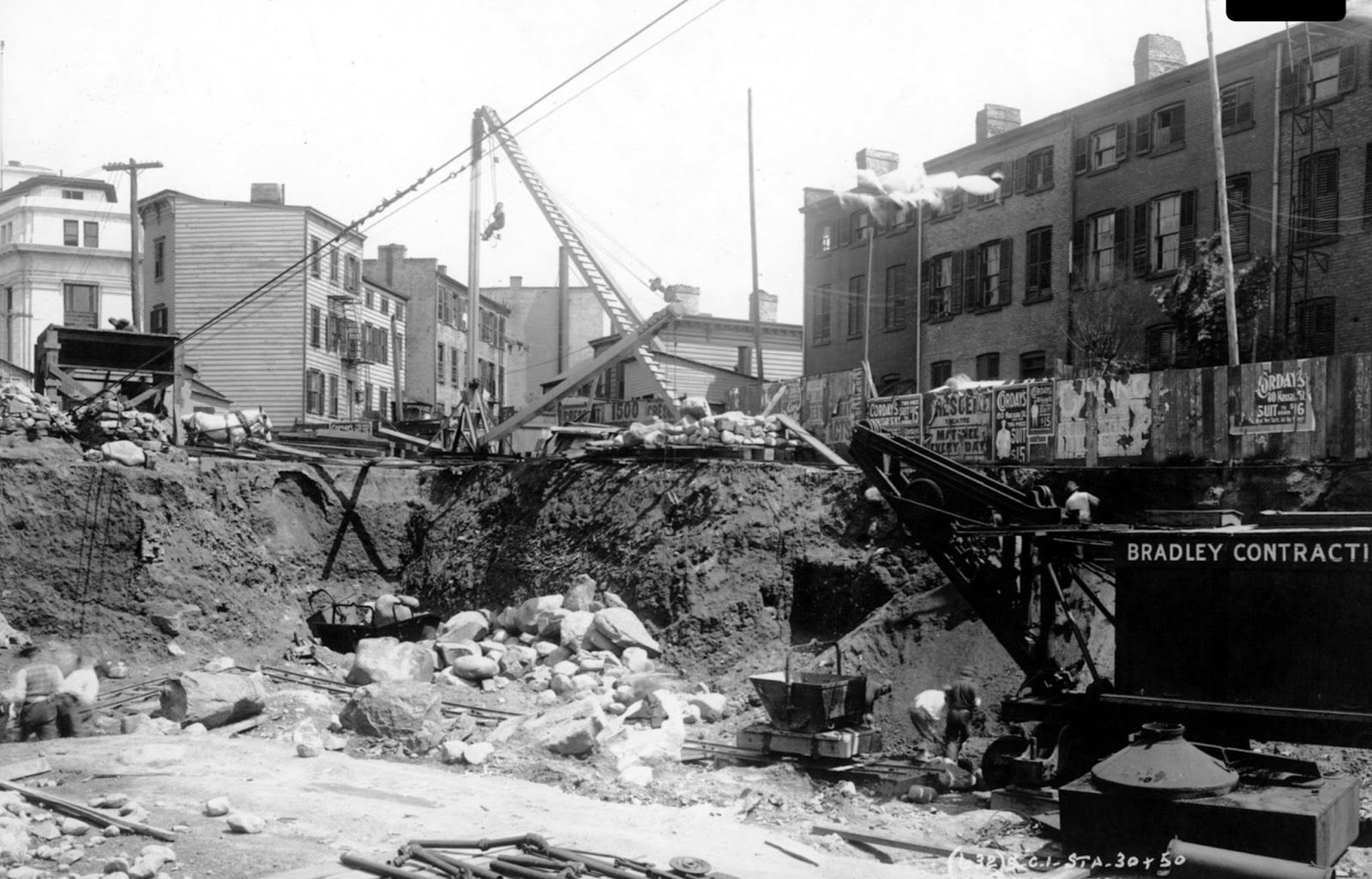
Downtown Brooklyn was formerly the city of Brooklyn, and passengers traveled here just as frequently as they did to Manhattan over the Brooklyn Bridge. To effectively meet this demand, it was decided that sending trains to downtown Brooklyn and lower Manhattan would be the best idea, as they could return to the borough without stopping. As a result, the throughput in the city center was increased.
This notion gave rise to the Brooklyn Loop Lines concept. The loops were meant to connect to all transit lines that crossed the Brooklyn Bridge, as well as the Manhattan and Williamsburg bridges when they were built over. In this scenario, the Manhattan portion of the loop could pass under Centre Street, however, a portion of the proposed right of way had already been used by a subway company.
Chambers Street station
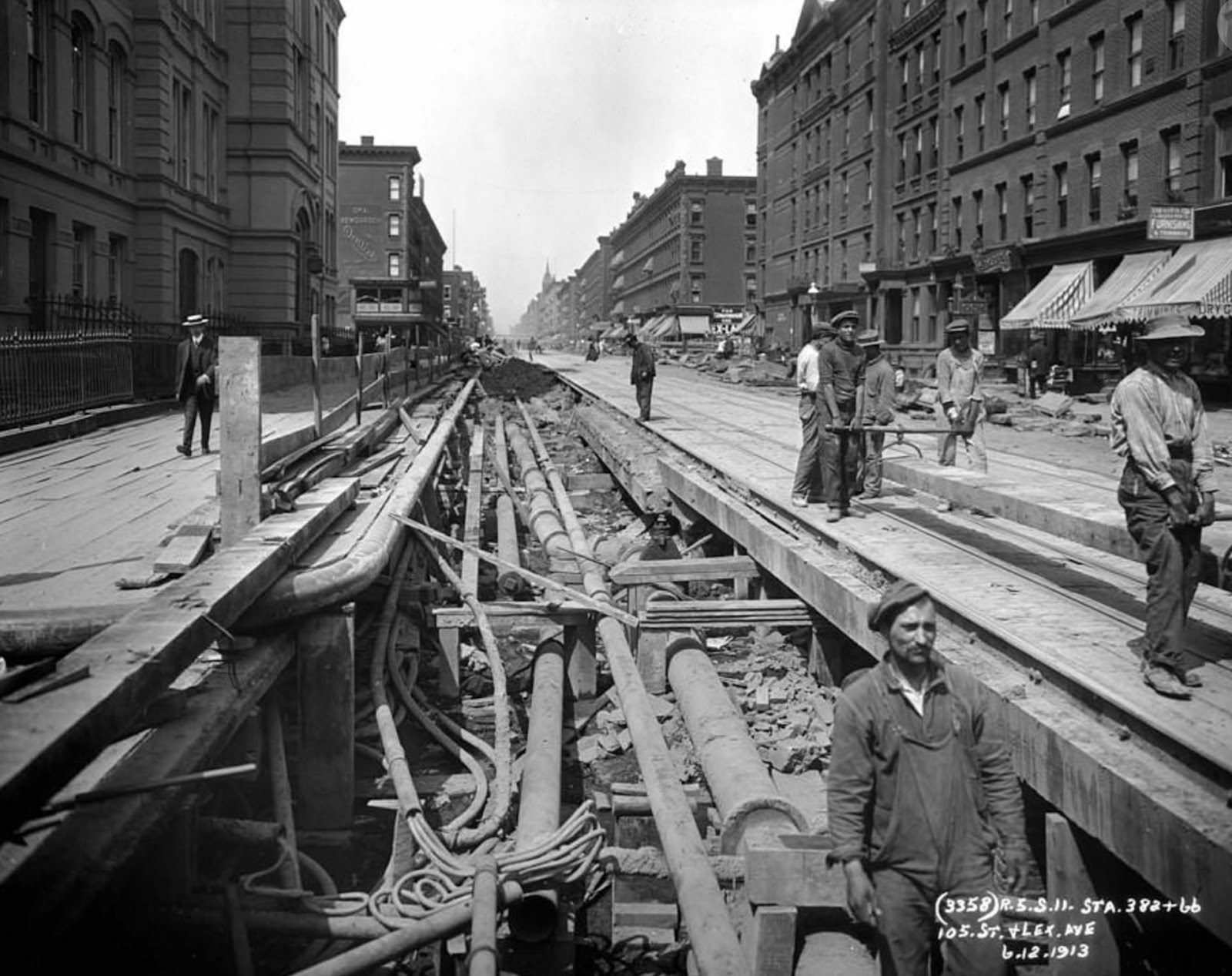
As a result, the concept was changed: the terminal was constructed under a new city office building and became known as Chambers Street. Construction started on January 27, 1907. As the land on which all of this was built was once a pond that was later filled in, constructing a municipal structure proved challenging, causing delays in the station’s completion. However, all of this was done only to ensure that the foundation was properly secured.
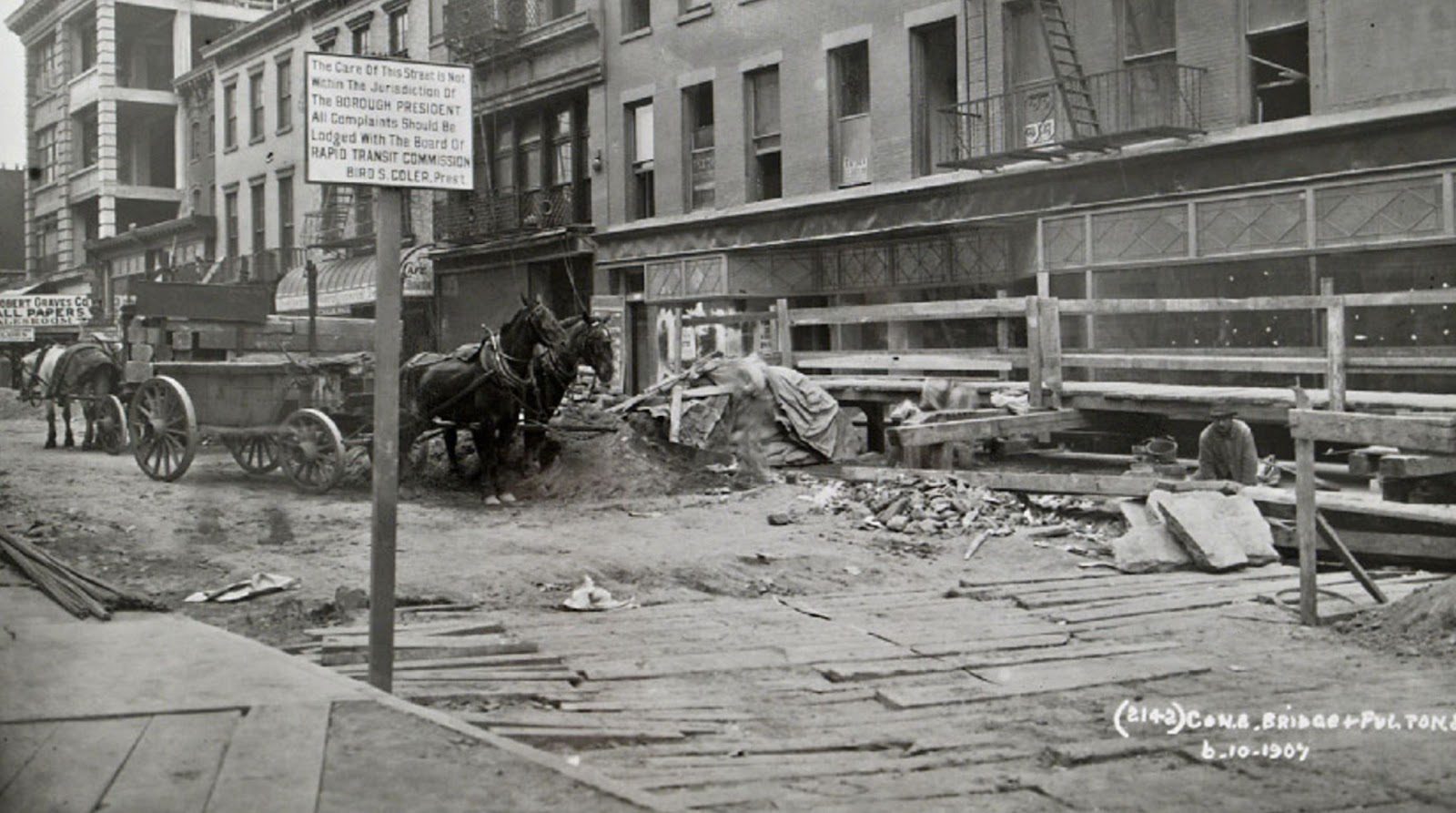
Originally, Chambers Street was planned to feature a four-track station with five platforms, however, it was later replaced by a six-track station with seven platforms. The eastern portion of the station was expanded with two extra tracks and platforms. At the southern end of the station, the westernmost Chambers Street tracks, those nearest to the IRT Lexington Ave line, were constructed so that they curved east and ascended to the Brooklyn Bridge’s connecting ramps.
These ramps were built under the Park Row terminal, but their rails were never installed. It was intended for the easternmost tracks to link to the proposed subway on William Street. In turn, following a complex sequence of crossings, the four tracks proceeded north to Canal Street and ultimately to Williamsburg Bridge at the northern end. The two easternmost tracks also had branches that crossed the Manhattan Bridge.
Chambers Street was designed as an end-to-end station capable of handling significant passenger flow. At the same time, the external and center platforms were planned to be utilized for passenger exits, with the remaining internal platforms for boarding cars. In preparation for crossing the Brooklyn Bridge, the westernmost tracks at the station’s southern end were elevated above the others.
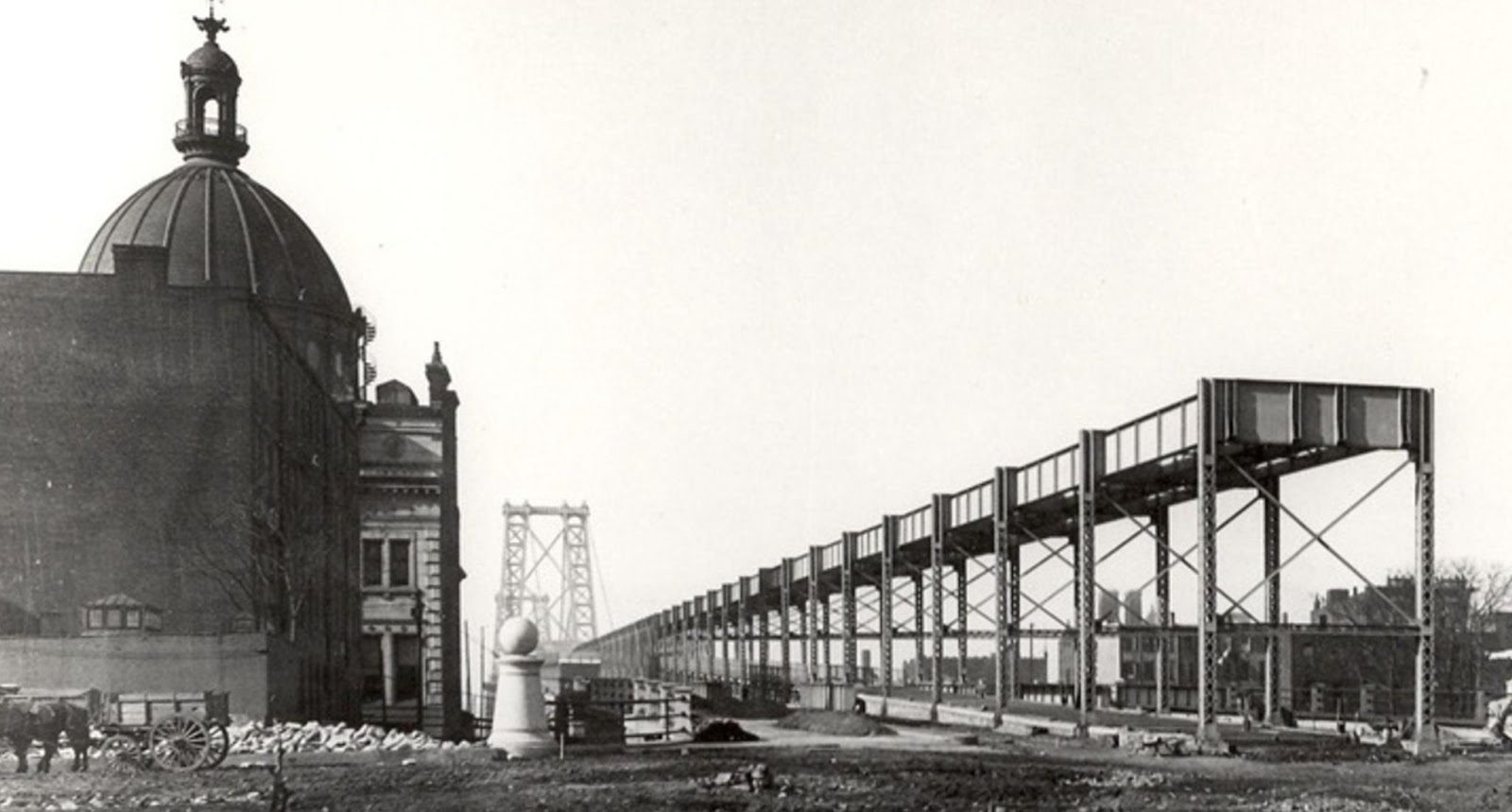
The westernmost lines serving the Williamsburg Bridge opened on August 4, 1913, a year before the Chambers Street station was completed and commissioned on September 14, 1914. The easternmost tracks serving the Manhattan Bridge were first inaugurated on June 22, 1915, following the completion of the 4th Avenue subway in Brooklyn and 4th Avenue, under the Dual Contracts.
Subway under 4th Avenue in Brooklyn
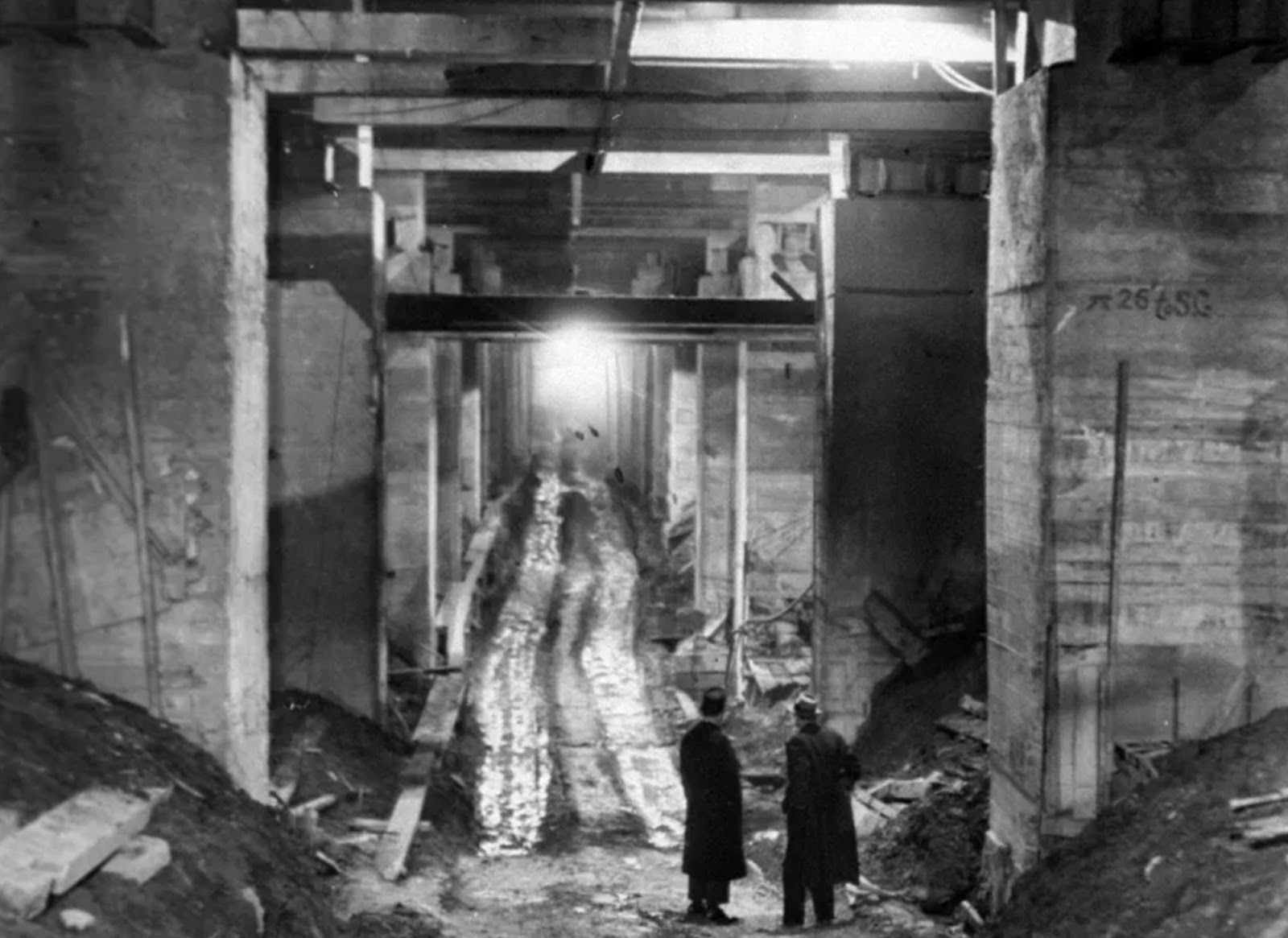
Meanwhile, plans for the 4th Avenue Subway in Brooklyn were initially presented in 1905. However, construction started on November 13, 1909. The stretch between Flatbush Avenue and 59th Street was to have four tracks, while the section from 59th to 86th Street was to have two tracks with the option to add two more tracks if necessary in the future. The concept also included the only “underground bridge” in the New York City subway system that crossed the LIRR Bay Ridge Branch while continuing under 4th Avenue.
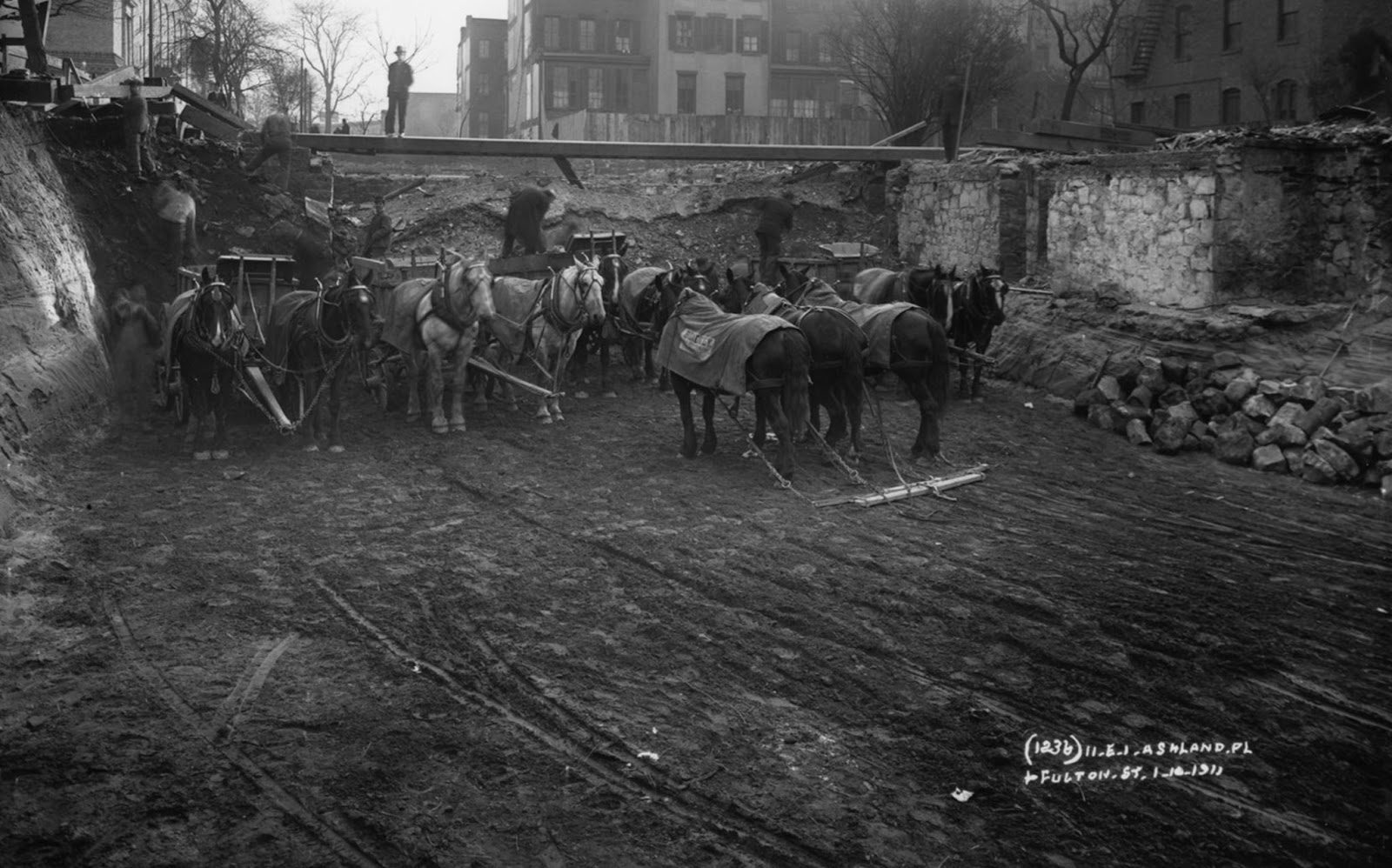
During the line’s construction, a turning loop was built under Flatbush Avenue at Nassau Street. As Downtown Brooklyn remained a booming metropolis even after joining Greater New York, a four-lane arrow line was built beneath 40th Street in Brooklyn to link to the West End Line. In addition, the groundwork for a future line to Staten Island was laid. Even today, you can see track pockets along both local tracks south of the 59th Street station.
As a result, the 4th Avenue Subway, which connects Coney Island with the Sea Beach line, opened on June 22, 1915.