

Public transportation first appeared in New York, then in Brooklyn, in the late 1820s. It all began with horse traction. The first mobile public transportation was called an omnibus. It was a large, extended stagecoach that traveled a set route. Such stagecoaches were meant for a dozen passengers, but they were frequently overcrowded due to the large number of people traveling in them, both inside and out. The “driver,” that is, the coachman, stopped the horses when passengers pulled on the belt attached to his ankle. Unlike modern bells and buttons, this strap did not turn on any light or produce a noise to draw the driver’s attention. Passengers paid as they boarded the stagecoach. Subsequently, omnibuses were replaced by streetcars, which likewise relied on horsepower. Learn about the history of Brooklyn’s first horse-drawn streetcars at brooklyn-future.com.
Omnibuses, or elongated stagecoaches
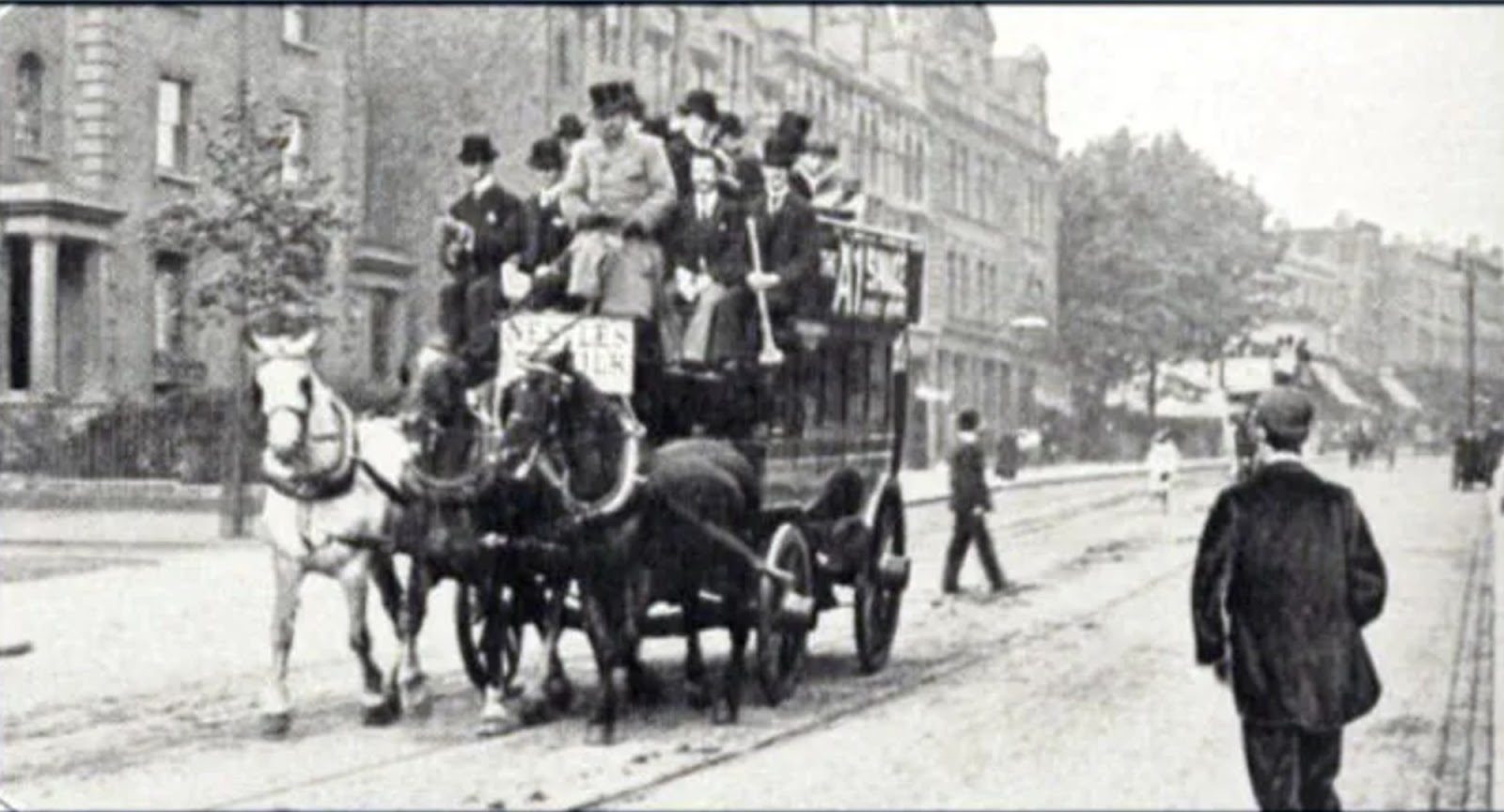
As for public transport in Brooklyn, of course, it also began with these elongated stagecoaches, known as omnibuses. Their set routes passed through the main streets of Brooklyn, and they began running around 1827. Omnibuses became the key point in expanding the boundaries of bustling Brooklyn, carrying passengers beyond Gowanus and the Heights. The Brooklyn omnibuses were fairly reliable, although small and cramped. The average omnibus could accommodate up to fifteen passengers, including those, who according to Brooklyn tradition, hung on the sides of the carriage or rode just on top or next to the driver.
The next stage in the evolution of public transportation in New York City was represented by horse-drawn streetcars. These streetcars, like omnibuses, were powered by four-legged horses, but unlike their predecessors, they ran on tracks. The first rails were installed in Brooklyn, providing a more comfortable ride for more passengers.
It all began on November 14, 1832, when the New York and Harlem Railroad debuted the country’s first horse-drawn streetcar. The debut took place on Bauer and Fourth Avenue in Manhattan, between Prince and 14th Street. It was the first time that the residents of New York saw this kind of public transportation. Two weeks later, after the initial demonstration trip, passengers were charged 12.5 cents per ride.
The horse-drawn streetcar was named John Mason, after the president of Chemical Bank, a wealthy New York businessman and co-founder of the railway, who financed its construction. Fundamentally, a horse-drawn streetcar was a bus pulled by horses. It was designed to carry a dozen passengers at a time. However, according to the New York Herald, this did not stop people from squeezing inside, despite the fact that the car was already full.
First street railway
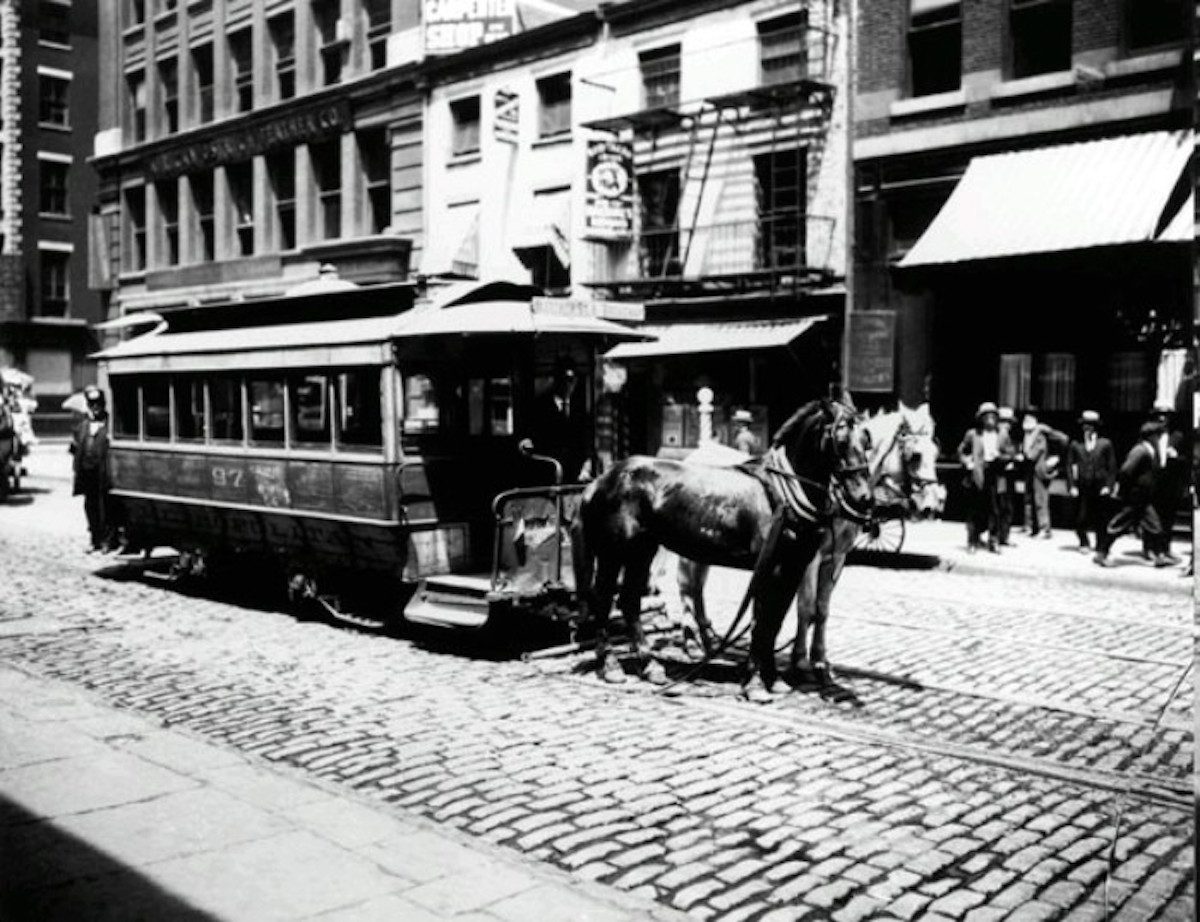
This is how the world’s first, as reported in newspapers at the time, street railway between New York and Harlem began to operate. By the way, during the inaugural ride, the world’s first accident occurred between a horse-drawn streetcar and street personnel, but fortunately, the collision was minor and there were no casualties or injuries. The public was not scared off by this accident. Already on the 26th, the horse-drawn streetcar began commercial rides. In the following years, similar services were then introduced in various cities and towns around the United States.
According to New York newspapers of the time, during the first ride, passengers were packed in the streetcar like sardines in a can, with the only difference being that the oil had been replaced by sweat on their bodies. All of the seats were occupied and people were arranged in rows in the car, with some hanging on straps like smoked ham in a deli on the corner. When travelers wished to get out of this massive stagecoach, they pulled on the leather belt fastened to the driver’s ankle.
These horse-drawn carriages, known as horse-drawn streetcars, ran on built-in iron or steel rails designed to transport more people and provide a smoother ride than omnibuses. Later, a conductor was added, who was normally in the back of the car, and passengers asked him to alert the driver to the need to make a stop, for which he carried a special bell.
With the use of rails, horse-drawn carriages were able to go more quickly, farther and more smoothly while carrying more weight and, thus, more paying passengers. As a result, they quickly gained popularity as a means of transportation. Accordingly, more and more miles of rails were installed across the city.
On the other hand, since the number of horse-drawn streetcars was unregulated, they “clogged” the city streets. Furthermore, the horses were slow, making it difficult for them to climb the steep streets while pulling the car loaded with passengers. Furthermore, they consumed a lot of hay and oats and discharged directly onto the street, resulting in a lot of manure. That was an issue. The majority of them could only work for an average of five years. Furthermore, the deadly equine flu outbreak that killed a huge number of horses in 1872 demonstrated that if there was only one mode of public transportation, chaos may occur.
Brooklyn’s horse-drawn carriage network
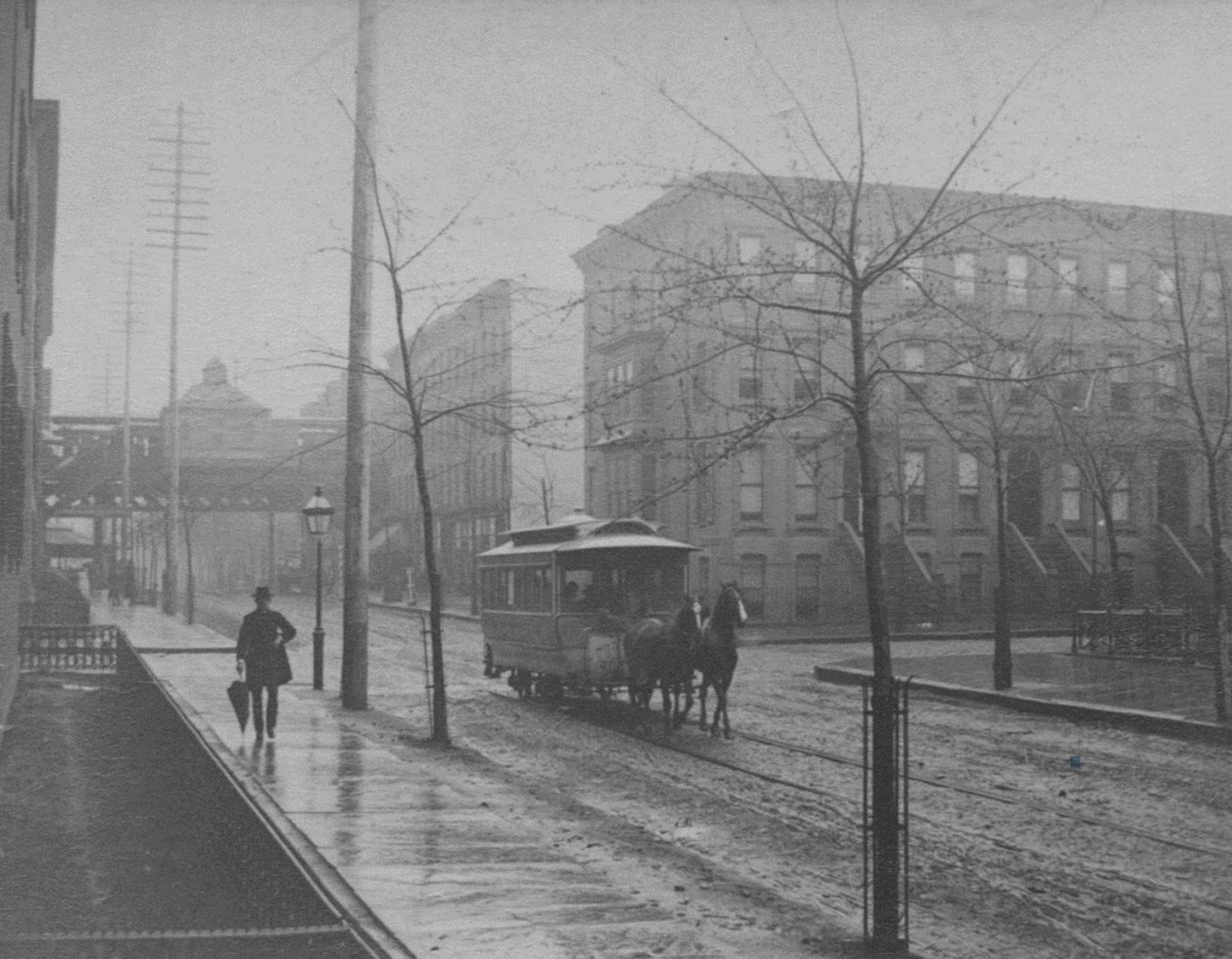
The Brooklyn network of horse-drawn carriages launched in 1854, by the time of which they had already ridden throughout Manhattan. Since the cars had metal wheels and traveled on metal tracks, rather than uneven cobblestone streets or, in general, mud, which was common at the time, horses were able to pull such a load far more easily. When compared to omnibuses, this was a major improvement.
Although the horse-drawn streetcar was a revolution in public transportation in Brooklyn at first, it soon became clear that not everything was perfect, and there were certain inconveniences. The biggest issue was the speed. These streetcars frequently reached the speed of a fast human walk. They did, however, allow passengers to go from locations like Bedford in central Brooklyn to the ferry in a fair amount of time.
As a result, a new class of passengers emerged, able to afford to reside further out from Brooklyn Heights and downtown while still working in Lower Manhattan. That is, horse-drawn cars connected various parts of the city, allowing passengers to cross it and, if necessary, switch to the railway, ferries and other modes of transportation. The expansion of horse-drawn streetcar lines contributed to the development of the city along their routes. Another advantage of such streetcars was that they provided their passengers with ease of travel and protection from weather conditions such as rain, snow and heat.
Funiculars and steam trains
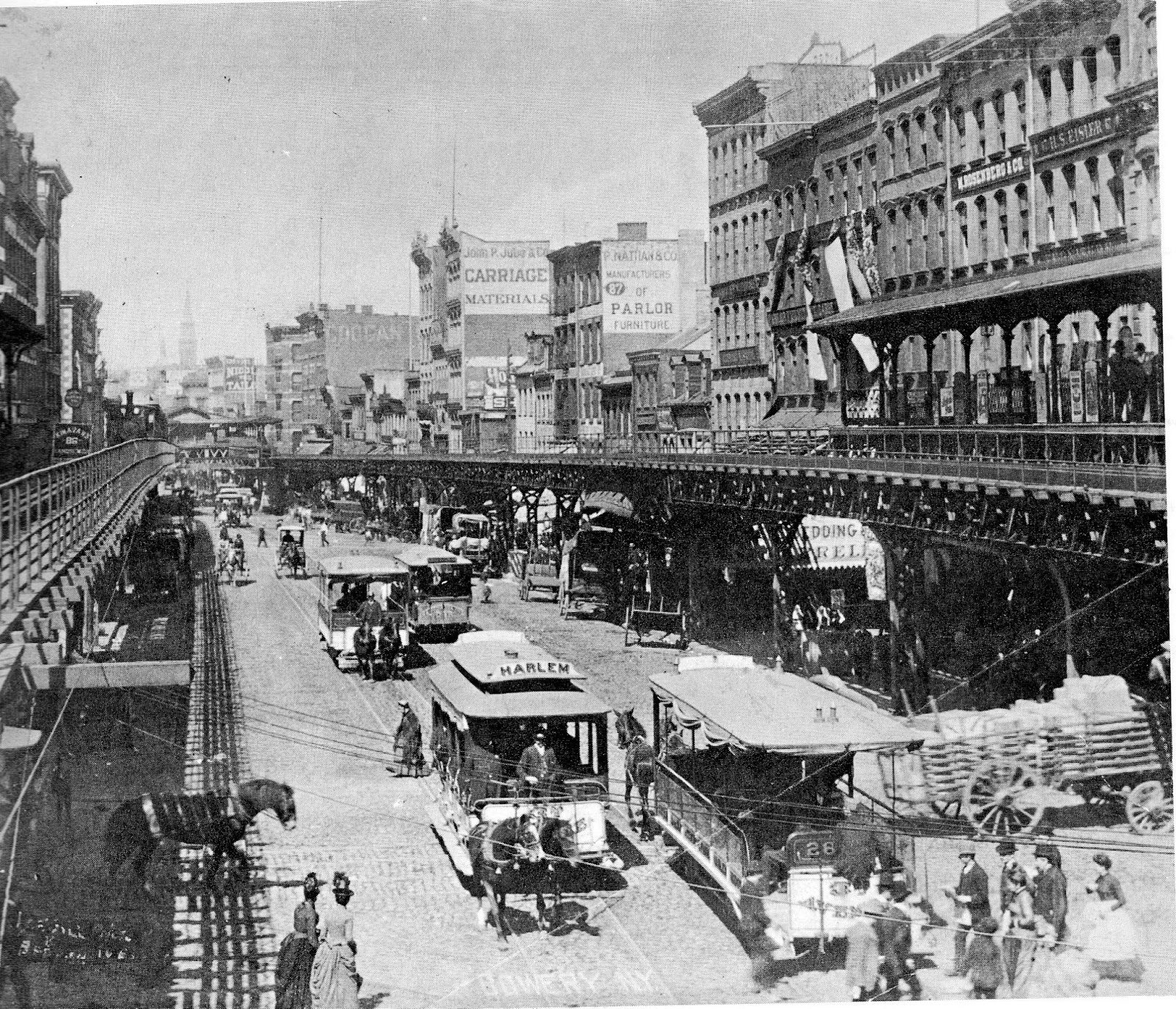
As a result, the horses served in Brooklyn until 1917. Following the Civil War in the 1865s, their network was progressively converted into funiculars. The cable cars worked by pulling the car at a constant speed with an underground cable powered by a remote steam engine, and the operators could connect or disconnect from the system to move forward or stop.
Despite being a substantial advance over horse-drawn transportation, cable cars had many drawbacks, such as the continuous movement of the underground cable, which might be dangerous if something or someone interfered with it because it was moving all the time without stopping. Later, above-ground high-speed steam trains appeared, which were also known as ales. They were used to connect different parts of the fast-growing city. However, that’s a completely different story.