

This former neo-Gothic auto manufacturer is one of the rare remnants of Brooklyn’s Automobile Row. In the early 1900s, the portion of Brooklyn’s Bedford Avenue between Empire Boulevard and Atlantic Avenue was known as Automobile Row. It received its name for an assortment of showrooms, dealerships, garages and other businesses that served American automobile owners.
The Studebaker building, which evokes the heyday of the American auto industry, was a remarkable automobile dealership in the early 1900s. The structure was designed in 1920 by architects Reginald E. Marsh and Edward P. Tucker. It served as a two-story exhibition hall for almost 20 years. Learn more about the first Brooklyn auto shows and cars at brooklyn-future.com.
Construction of the Studebaker building
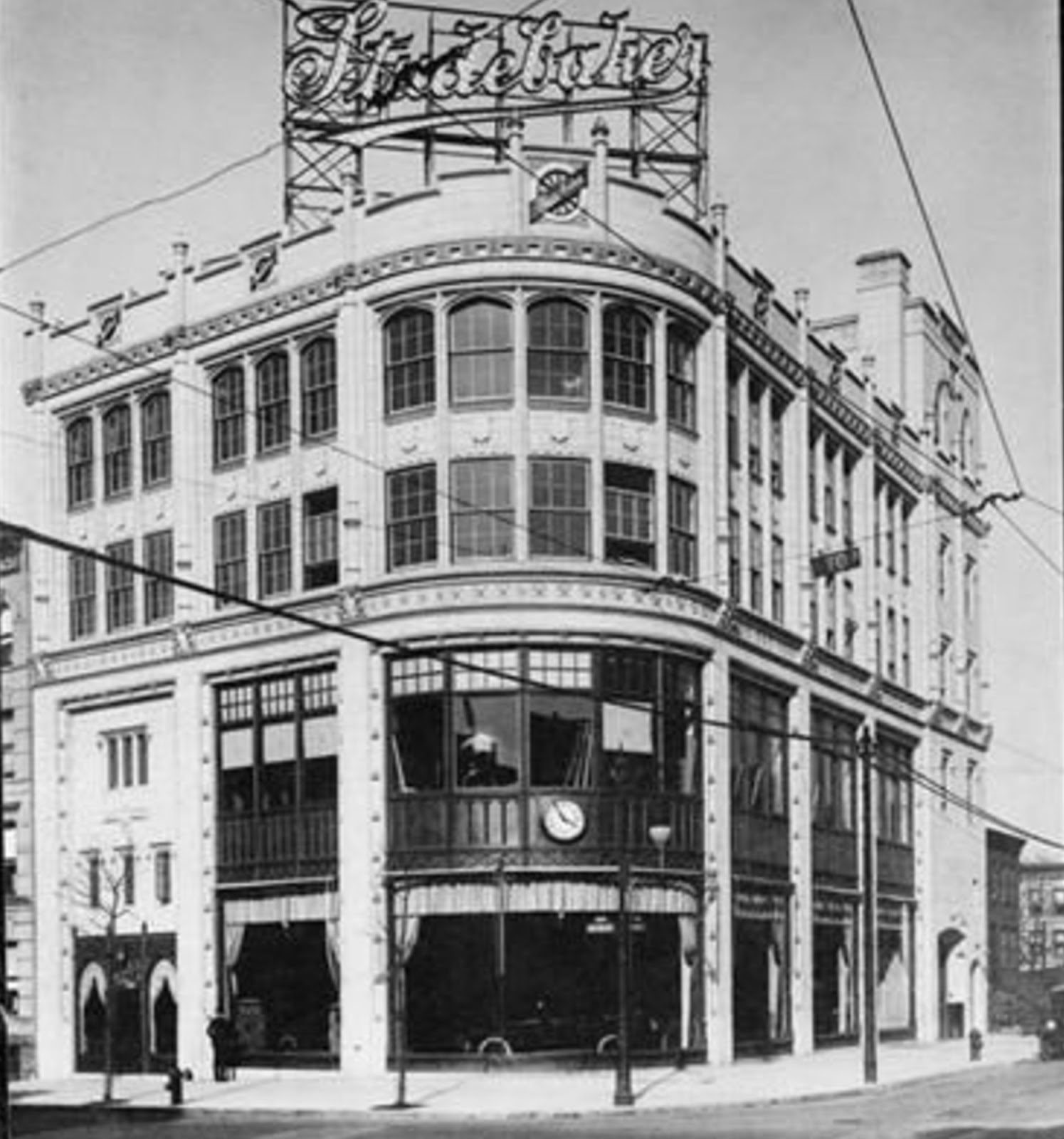
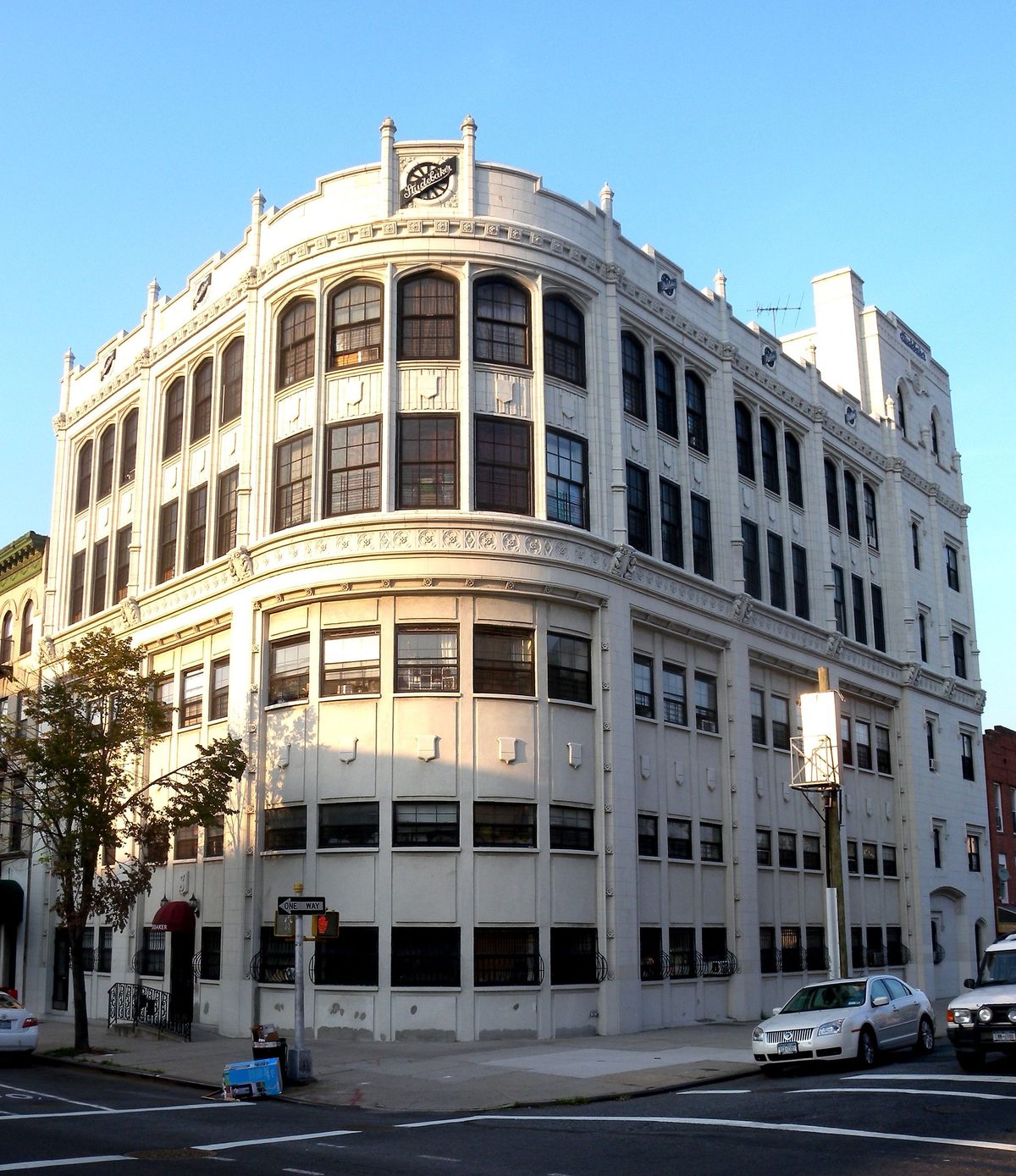
The Studebaker Building, built in 1920, is one of the few remaining automobile dealerships on Brooklyn’s once-thriving Automobile Row. Back in the day, the company believed that locating such a salon in Brooklyn would be very profitable and even vital, given the borough’s large number of car owners. In addition, the structure was constructed at the height of Studebaker’s popularity as an automaker. It was designed by New York architects in the neo-Gothic style, built of brick and lined with white terracotta.
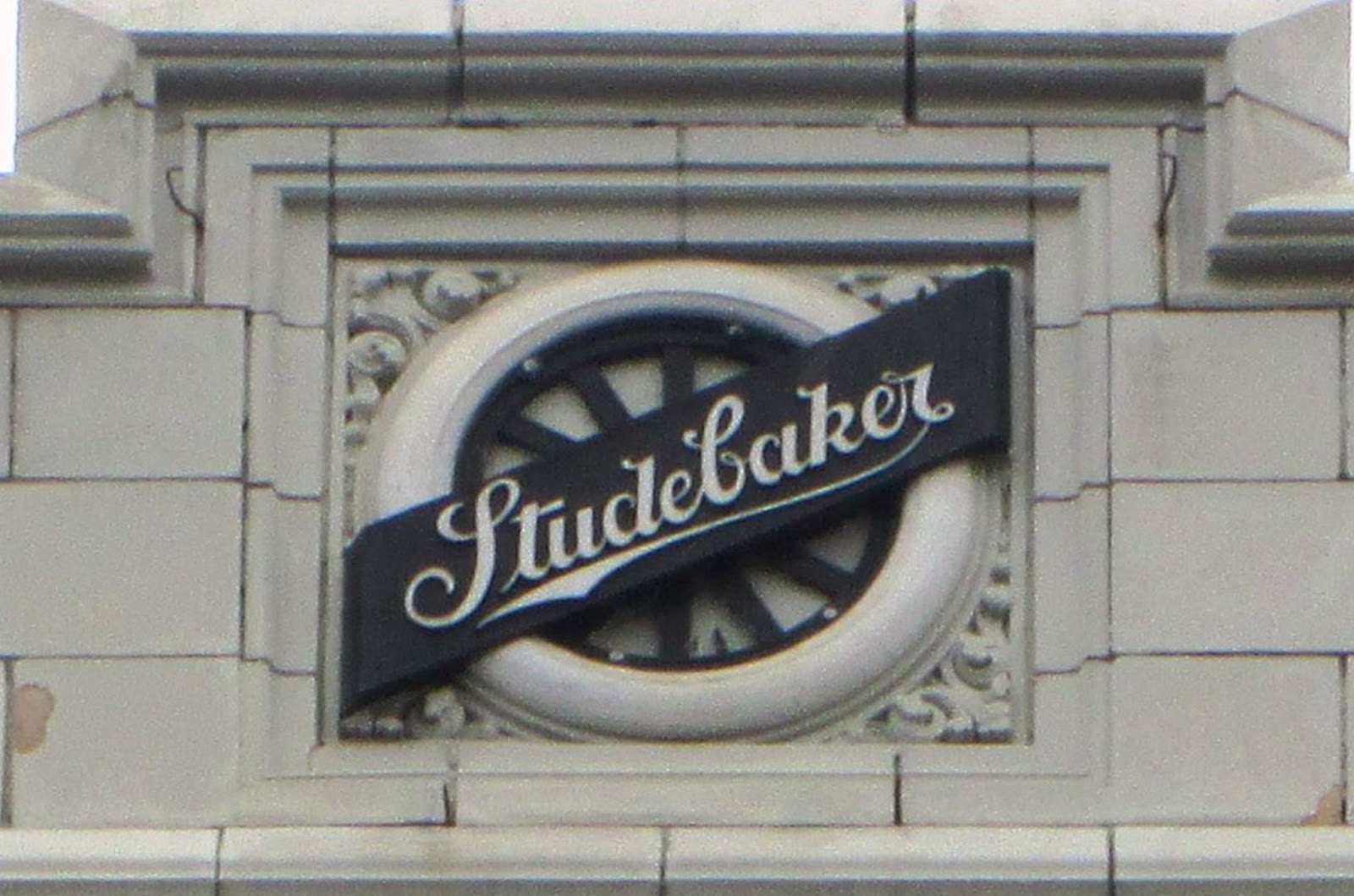
It was and continues to be an excellent example of a commercial structure that functioned as the company’s icon. The Studebaker building preserves its original terracotta design, with the name “Studebaker” inscribed in black on a diagonal banner above the wheel logo, which the company has used on buildings throughout the United States. Despite the fact that no other automobile brands were created in Brooklyn, the Studebaker building was so popular that the Studebaker was unquestionably the city’s car, at least in the late nineteenth and early twentieth centuries.
In general, the introduction of the vehicle in the first decades of the twentieth century caused changes in land usage throughout Brooklyn. Gas stations, public parking spaces, automobile dealerships and repair shops began to “accumulate” in accessible places.
Studebaker Brothers Manufacturing Company
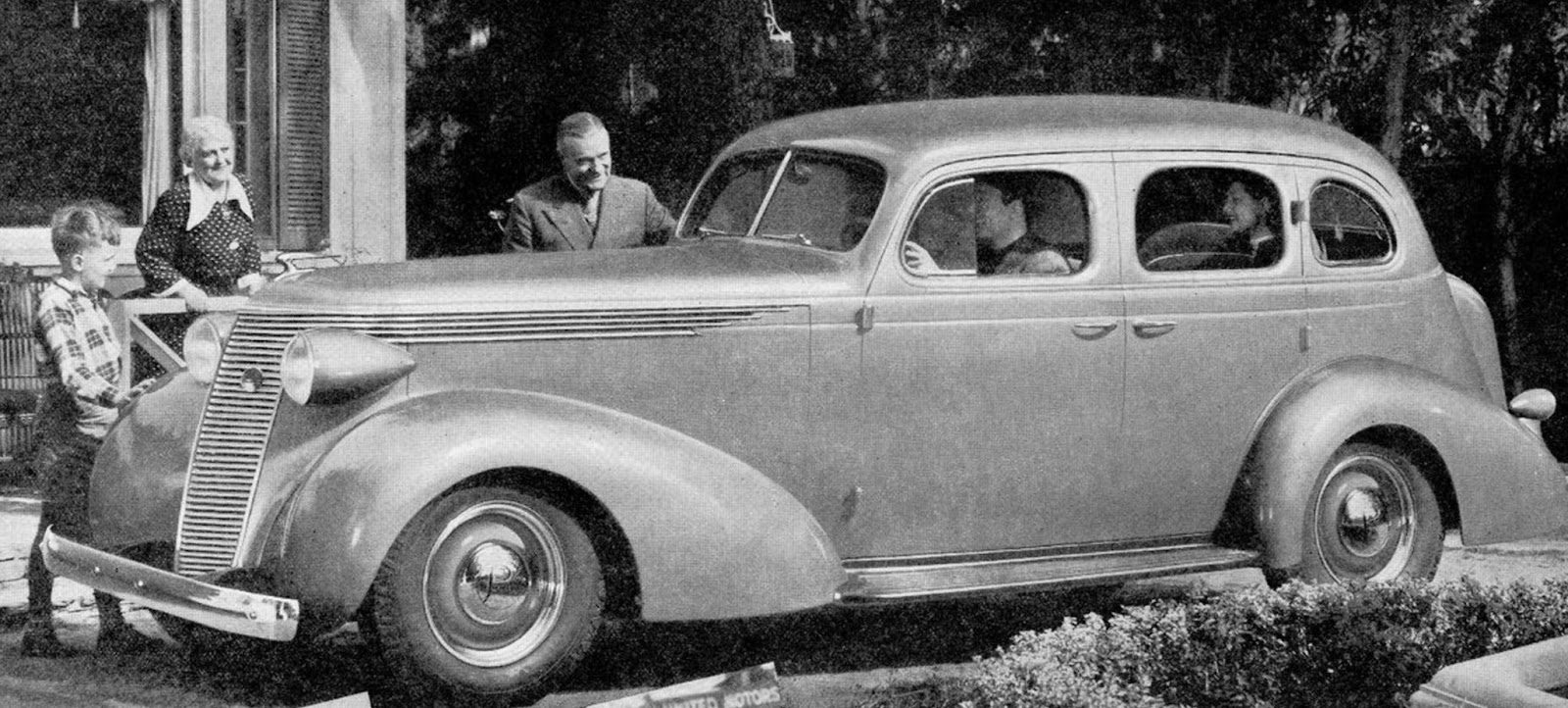
As for Studebaker, the corporation was founded in 1852 in South Bend, Indiana, as the H&C Studebaker Company. It was a black-owned blacksmithing business founded by Henry and Clement Studebakers. Prior to the Civil War, the company was a major producer of railcars and ambulances for the United States Army, and in 1868 it changed its name to the Studebaker Brothers Manufacturing Company. By 1895, Studebaker had produced 75,000 vehicles, making it the world’s largest manufacturer.
One day, encouraged by his son-in-law, Frederick Fish, J. M. Studebaker began experimenting with the production of automobiles, designing his first electric car in 1902. In 1904, the Studebaker Automobile Company was established, which produced both electric and gasoline cars.
By 1911, Studebaker was the second-largest automotive manufacturer in the United States. In the 1920s, Albert Erskine, the first non-member of the Studebaker family to become president of the company, led it to rapid growth. During this time, the Studebaker building in Brooklyn was constructed.
Studebaker’s 1920 annual report stated that the sum debited from the company’s account was somewhat more than 36 million dollars, which covered the construction of production facilities in South Bend, new buildings in Detroit and a branch in Brooklyn. Studebaker reached its peak production in the 1920s when many other automakers were functioning inconsistently, producing more than 145,000 cars in 1923.
During the 1920s, the company ranked among the top ten largest American automakers and was one of the few privately owned enterprises to survive the Great Depression. However, it is true that the corporation did not come out unscathed. Studebaker nearly went bankrupt in 1932, and by 1933, the White Motor Company had taken control of the firm. As a result, Studebaker’s two vice presidents, Paul Hoffman and Harold Vance, took over control of the company and helped it recover from bankruptcy.
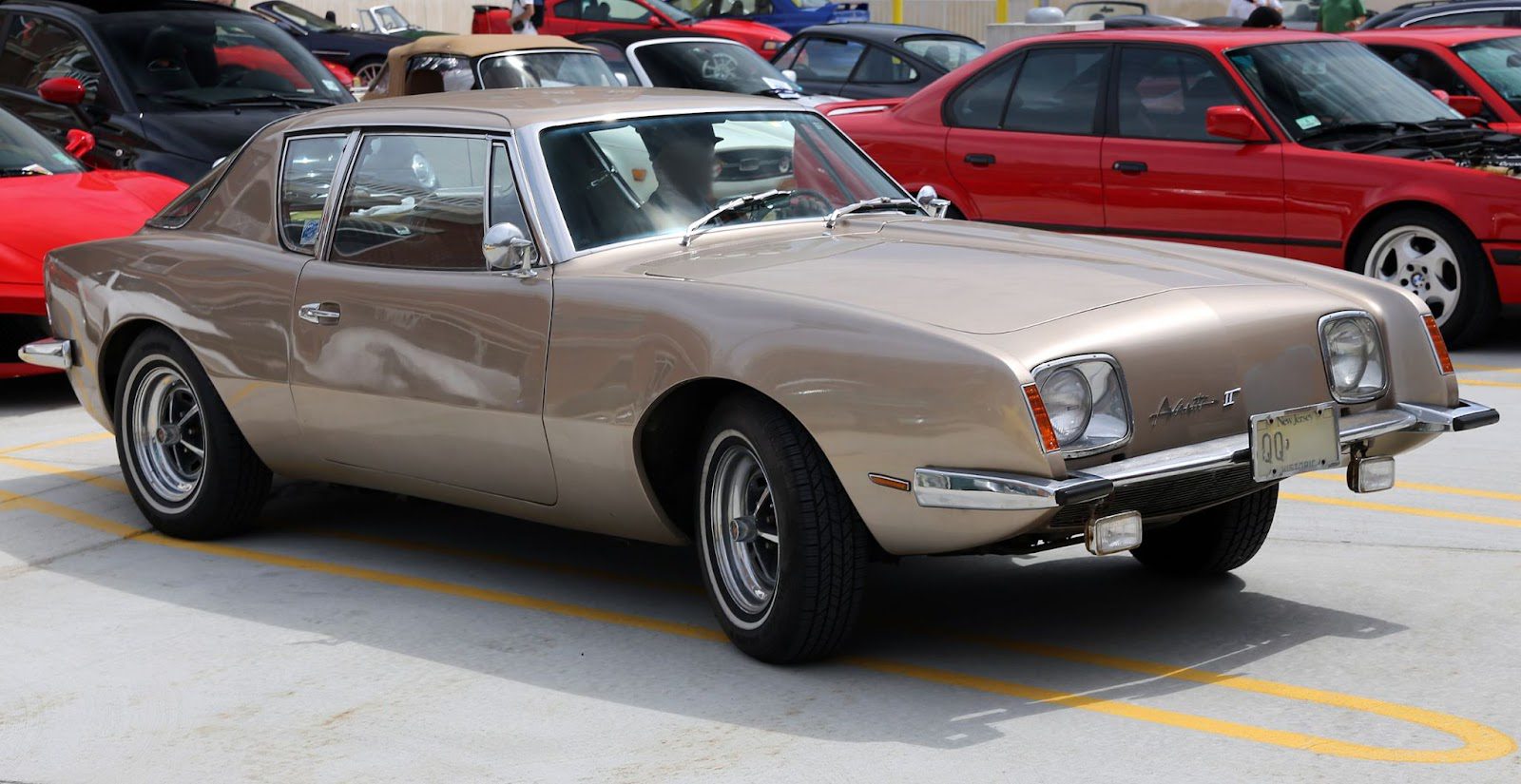
In 1936, the firm employed world-renowned designer Raymond Loewy to assist in the design of automobiles, and as a result, it gained major success by introducing style advancements. The design of the 1947, 1953 and 1963 Studebaker Avanti was remarkable and popular, but the company was unable to compete with auto titans such as Ford, Chrysler and General Motors. The 1954 merger with Packard did not considerably boost the company’s competitive advantage, and by 1963, Studebaker had closed its facility in South Bend, Indiana.
Automobile Row
However, all of this occurred later, and in the 1920s, the Bedford Avenue showroom reflected Studebaker’s investment in the profitable Brooklyn and Long Island markets, and it was constructed when the company grew and expanded across the country. Additionally, a vast multi-story garage was constructed nearby on Dean Street, close to Franklin Avenue, which was later rented by Jonathan Butler for use as a small business incubator and restaurant.
The Bedford showroom was state-of-the-art, featuring large retail spaces on the ground floor, mezzanine offices and a garage and storage space upstairs. The structure was developed with special steel supports to withstand the weight of heavy vehicles. An elevator on the Sterling side transported automobiles to the upper floors and, if necessary, down. It was more than simply a great showroom, it was an edifice that still stands out on this street.
By the way, the name Automobile Row first appeared in the press and among teens and was adopted by automakers. Manhattan also had a famous Automobile Row on Broadway in the 1950s, which went all the way to Columbus Circle. However, with so many more opportunities for work, Brooklyn’s Automobile Row quickly outgrew Manhattan in terms of the number and variety of dealerships and enterprises. By 1912, there were 25 automobile dealerships in this borough alone, excluding auxiliary firms.
Residential building with 27 apartments
The Brooklyn auto show was one of the most major auto exhibits in the country. Before the “big three” automakers, including Ford, Chrysler and General Motors, dominated the American industry, over fifty different businesses presented their vehicles here. The exhibition was vast, providing dealers and manufacturers with ideal conditions to present their products, as well as plenty of space. They were joined by manufacturers of tires, brakes, horns, accessories and car spare components.
There were high quality standards here, as car manufacturers appeared to sprout up as swiftly as weeds in a garden. However, the car dealership’s owners worked hard to guarantee that the participants had a solid reputation and a track record of quality. This fact formed the foundation for the exhibition’s popularity.
However, everything flows and changes. Studebaker stopped displaying vehicles here in 1939, and the building was renovated by architect Irwin Cohen in 1941. A few years later, the location of the former auto dealership was transformed into a clothing store, furniture salon and office. In 1999, the old Studebaker car dealership was purchased by the developer, and it is now a residential complex with 27 apartments, designated as a historical and architectural monument.